
Quick Answer
If you have not enough overhead clearance to press a barbell, switch to a seated, kneeling, or Z-press in the most open bay of your garage and save standing presses for outside. One common cause is the bar hitting the opener, door tracks, lights, or low joists at lockout, even when the floor looks open. Lowering your press height and moving away from obstructions usually lets you keep training shoulders safely without remodeling or buying a new rack.
Why This Happens
Garages are designed for cars, not lockouts, so usable height disappears fast once you account for the open garage door, opener rail, lighting, and exposed joists or beams. You might measure to drywall and still have only a narrow pocket of truly clear space overhead. When your bar path drifts even slightly forward or back at the top, it can clip that hardware, which feels unsafe and forces short, tentative reps that limit progress.
Standing technique adds more height than most people expect because you stack shoes, flooring, your body, extended arms, and bar thickness into one tall column. Add a lifting platform or thick mats for floor protection and your lockout moves even closer to the ceiling. For related floor planning, check your garage floor and safety setup so cushioning does not steal the last few inches you need for a confident finish.
Rack and bench placement often creates the problem more than the ceiling itself. Pushing a tall rack against the back wall under a beam or setting a bench directly under the opener rail puts the bar path right where obstructions hang lowest. Incline pressing makes it tougher because the angled backrest pushes the bar start higher and forward, so try shifting the whole setup sideways where joists run parallel to the bar.
Tight small space storage closes in the area around you and removes your bail out options when a rep feels off. Bikes, plate trees, and deep cabinets push you into a corner where you cannot step back or set the bar down safely. Moving bulky items to wall storage or reviewing small space garage gym ideas plus heavy duty shelving to clear floor space can open a wider, safer press lane without major changes.
Fixes to Try
- Mark your true clear zone first with an empty bar before you load weight. Reach to full lockout where you plan to train, have a partner note the lowest obstruction above your hands, then tape a small training square on the floor where you have the most room and commit to pressing only there.
- Reorient your rack or bench so the bar travels parallel to joists, rails, and light fixtures instead of across them. In many garages, turning 90 degrees or sliding toward the center bay between the opener and the door gives you a taller pocket for the top of the rep and cleaner walkout room.
- Drop to a seated press, kneeling press, or floor Z-press to reduce top height while keeping a true barbell stimulus for shoulders and triceps. Set safety arms or pins at shoulder level, brace your trunk hard, and use a controlled lockout that stops just clear of any overhead hardware.
- Swap in joint friendly alternatives when the ceiling is extremely low or cluttered overhead. A landmine press, single arm dumbbell press, or steep incline press can maintain shoulder and tricep strength for now, and you can cycle back to standing barbell presses on days you can roll the bar outside.
- Tidy the press lane and stabilize your base for every set. Move plates to wall storage, use a flat non slip mat, wear flat shoes, and keep spotters or safeties in place so you can set the bar down cleanly if a rep drifts toward wood or metal overhead.
When to Consider Replacing It
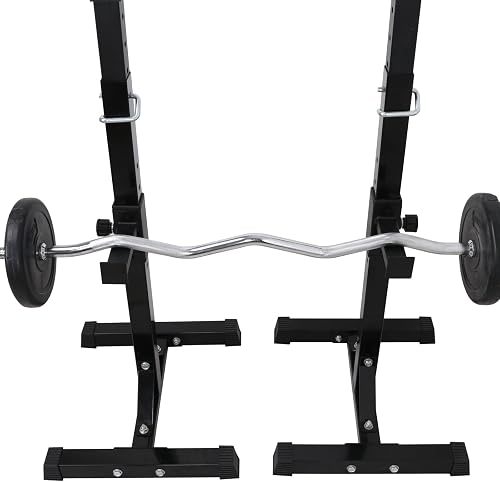
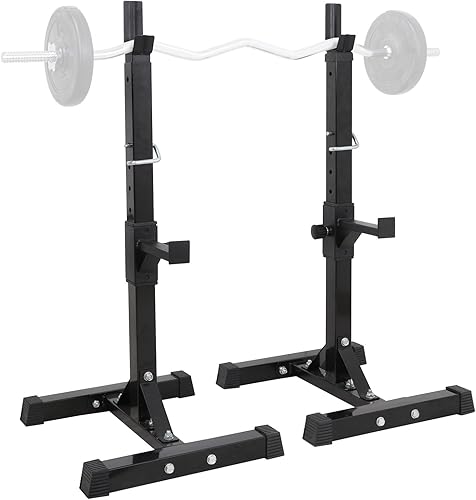
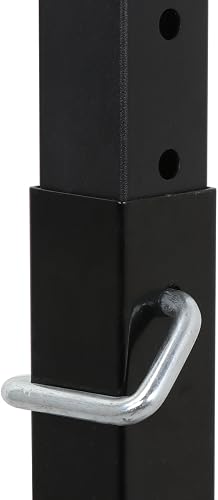
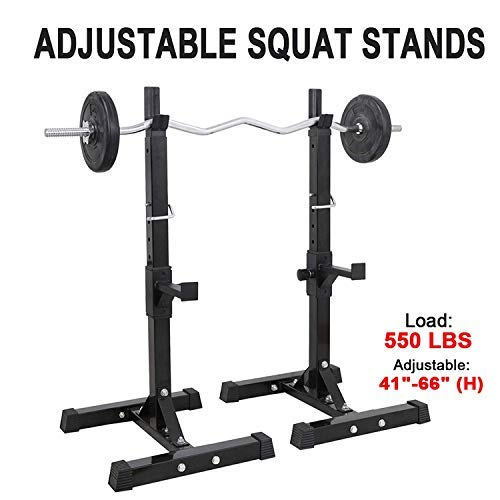
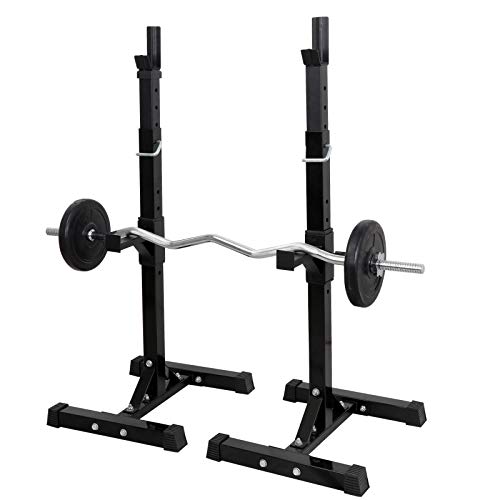
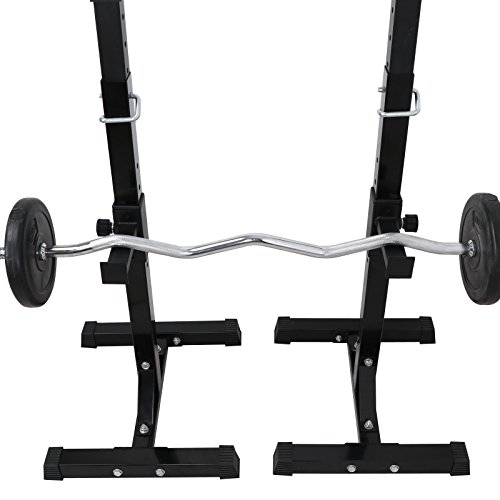
Consider a change when your current rack forces you to cut range of motion on every set, when uprights wobble or safety pins no longer seat cleanly, or when the footprint is simply too tall and deep for your bay. If you would rather replace it than keep troubleshooting, a compact pair of independent stands can be easier to angle into a clear pocket for squats, bench, and seated pressing in tight garages.
This article contains affiliate links. If you buy through one of our links, TheGarageCrafted may earn a commission at no extra cost to you. Commissions never influence which products we recommend or how we rank them. Read our Affiliate Disclosure for details.

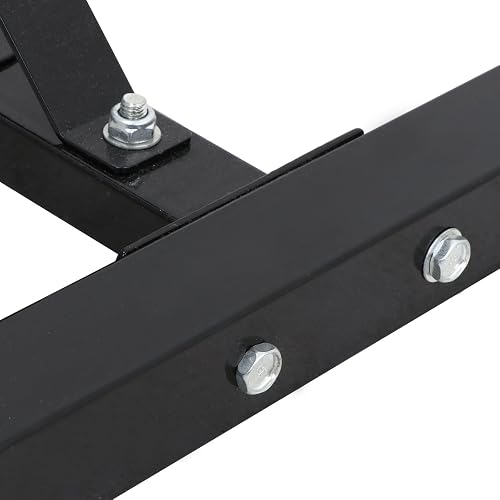
Prime Saicool Adjustable Squat Rack Pair 41-66 Inch




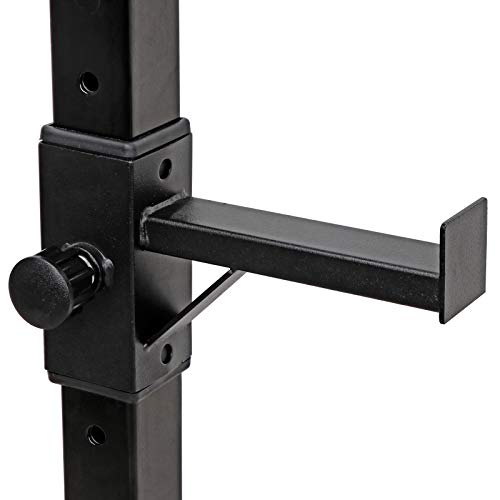
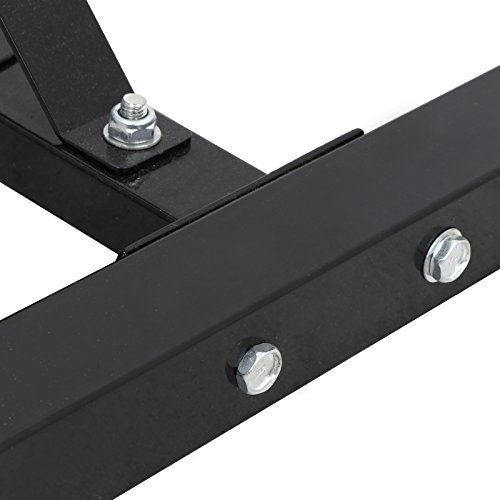
As an Amazon Associate we earn from qualifying purchases. Product prices and availability are accurate as of the date/time indicated.
When to Skip This and Call a Professional
Some modifications are not ideal for DIY and should be left alone for your safety. Do not cut joists, notch beams, relocate an opener, or rewire lighting to gain a few inches, and do not press a loaded barbell under a cracked beam or sagging drywall. If a tall rack feels unstable, follow the manufacturer’s weight capacity and anchoring instructions, anchor to prevent tip over where directed, and bring in a qualified installer or contractor for any structural or anchoring work.
Frequently Asked Questions
Can I press outside if I have not enough overhead clearance to press a barbell inside?
Yes, a flat driveway or apron can work well when weather and neighbors allow. Check for level ground, keep the path clear of cars and the swinging door, use collars outside, and store the bar and plates inside afterward to limit moisture exposure. Bring stands or a bench out only if they sit stable without rocking.
What is the best seated setup for a low ceiling garage gym?
Place a sturdy bench in your tallest bay, set the uprights or stands so you can unrack at chin to eye level without rising onto your toes, and keep safety arms just below shoulder height. Keep your feet planted, ribs down, and bar over the middle of your foot at lockout. This setup lets you train heavy in 2026 while staying clear of openers and lights.
Will I lose shoulder gains if I stop doing standing overhead press?
You can still make solid progress with seated barbell press, Z-press, landmine, and high incline variations that load the delts and triceps through a full range. Track sets, reps, and load, eat and recover consistently, and save maximal standing attempts for times you have safe outdoor clearance. Many lifters maintain strength this way until they reorganize the space.





Write Your Review
No reviews yet. Be the first to share your experience!