

Quick Answer
EVA foam denting under a loaded barbell is usually normal compression from concentrated weight sitting in one spot, not a sudden failure. Lift the bar off the foam right now and set the plates on concrete, plywood, or a dense rubber mat instead. In many cases the shallow dent relaxes after you remove the load and let air move across the surface. If a deep groove stays soft and does not rebound after time off load, plan to rotate that tile out of the heavy zone.
Why This Happens
EVA foam is made for comfort, insulation, and light training, not for long term parking of a loaded bar. A barbell puts all of its force through two small plate edges or a narrow bar line, so pressure builds fast in those spots. Warm garage air softens the foam a little more, which lets the cells flatten and hold a memory. That is why a bar left overnight often leaves a clearer mark than one set down briefly between sets.
Thin interlocking tiles show damage sooner because there is less depth to spread the force. If you always load, rest, or park the bar on the same square, that square works harder than the rest of the floor. Rough or uneven concrete below can add flex, so the tile bends while it compresses. Grit trapped under plates can also press a sharp outline into the surface.
Moisture, sliding, and extra clutter make dents stick around longer. A tile that creeps on dusty concrete stretches as the plate sinks, and damp foam recovers more slowly. Piling boxes or spare gear on the same mat keeps pressure on with no break. For ideas on getting small gear off the floor, see these Best Pegboard Hook and Bin Kits for Garage Organization to free up mat space.
In 2026, many garage gyms use foam for warm up space and rubber for the lifting zone, and that split often helps. Foam feels kind on knees and feet, while dense rubber or wood handles rolling plates and parked bars with less marking. Once you view foam as comfort flooring rather than barbell parking, it becomes easier to stop repeat dents.
Fixes to Try
- Unload the bar and move it off the foam right away, then set plates on bare concrete, plywood, or a dense rubber mat while you train. Check if the dent lifts after several hours with no weight on it and with room air moving across the tile.
- Build a simple lifting zone by placing a sheet of plywood under a rubber mat where you load and rest the barbell. This helps spread point load over a wider area so foam nearby sees far less pressure. Keep foam tiles for warm ups and keep all loaded rests on the firm zone.
- Rotate or flip the dented tile to a light use corner and bring a fresher tile into the work area, then vacuum and wipe both the concrete and tile backing before relaying. Clean contact helps tiles grip and reduces creep that can deepen dents. Try this repositioning a few times before you decide the tile is done.
- Control heat and clutter around your lifting area by improving airflow, shading the space during peak sun, and moving boxes and spare plates off the mats. Less softening plus less static weight gives foam a better chance to rebound. For bulky seasonal items that crowd your gym, these 7 Storage Bins for Holiday Decoration Garage Storage can help clear floor space.
- Change how you park the bar between sessions by using a rack, wall mounted holders, or plate storage so nothing heavy rests on foam for long periods. Even shifting the bar position between sets may reduce one deep groove from forming. Make firm parking the habit and save foam for movement, stretching, and foot comfort.
When to Consider Replacing It
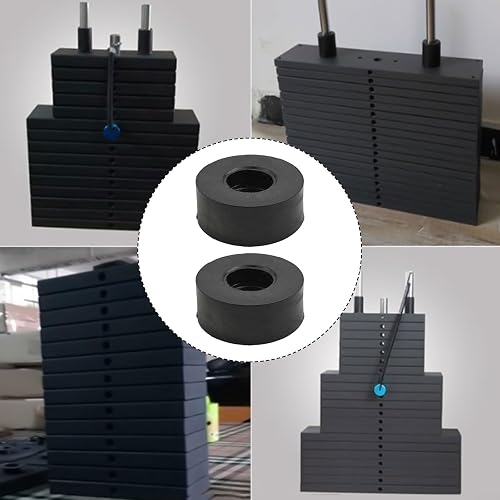
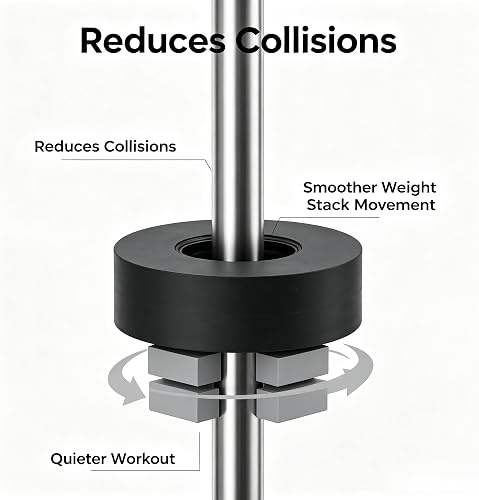
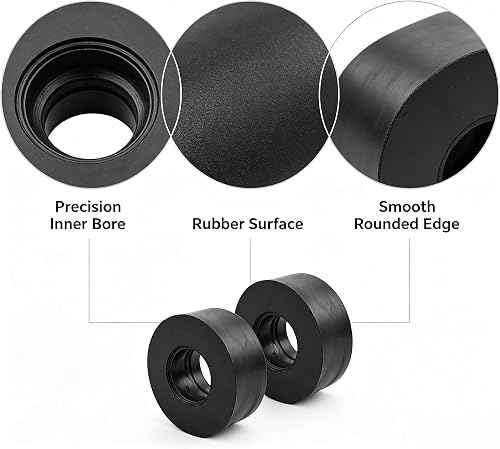
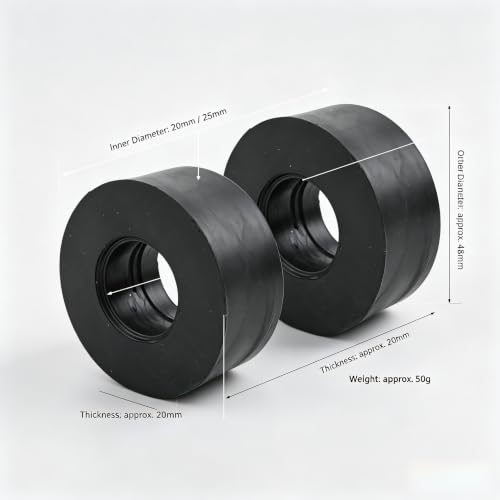
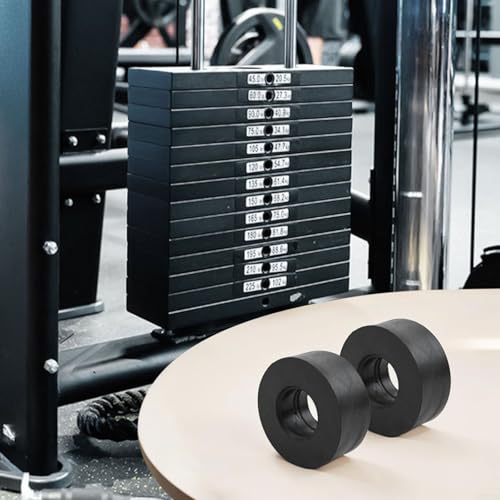
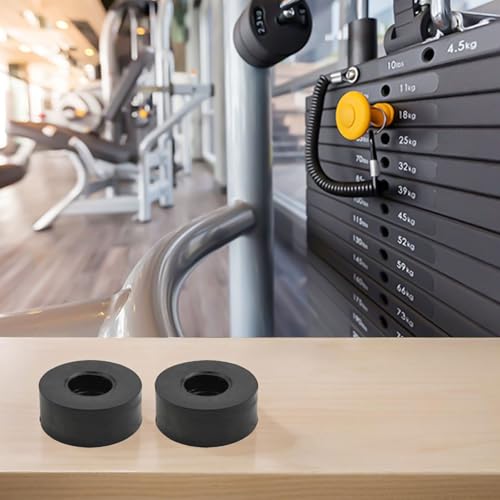
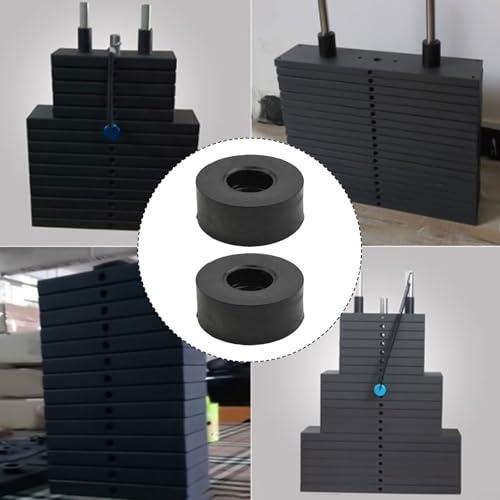
Consider a change when a dent stays deep, feels mushy or cracked at the edges, or creates a raised lip after time with no load. Peeling surface, crumbling edges, or tiles that no longer lock together are also signs the material is worn. If you would rather add firmer support at metal contact points than keep rotating foam, a dense rubber option can help cushion shock and noise:
This article contains affiliate links. If you buy through one of our links, TheGarageCrafted may earn a commission at no extra cost to you. Commissions never influence which products we recommend or how we rank them. Read our Affiliate Disclosure for details.

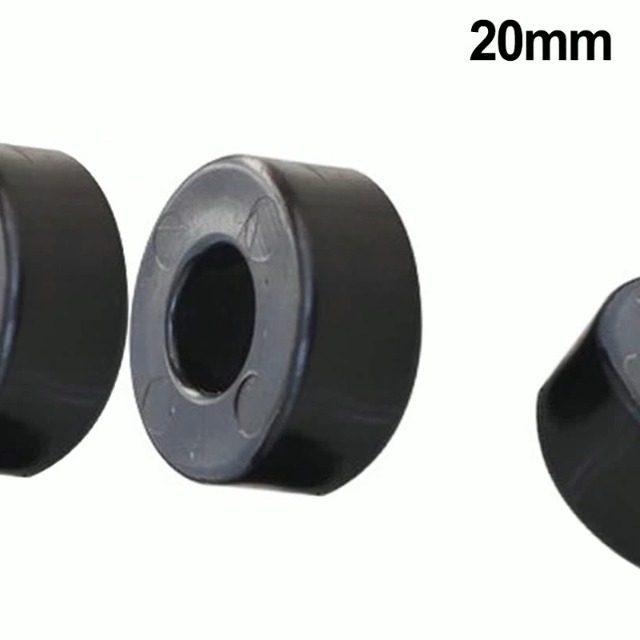
Prime Cloudpower Weight Stack Guide Rod Rubber Bumpers







As an Amazon Associate we earn from qualifying purchases. Product prices and availability are accurate as of the date/time indicated.
When to Skip This and Call a Professional
Foam recovery tricks are not ideal for structural or safety issues, so skip this approach if your rack wobbles, the slab is cracked or heaving, or the bar rolls because the floor slopes. Do not stack extra plywood or mats to level a failing rack or to compensate for loose anchors. Clear the area, follow the rack and anchor maker guidance for load and fastening, and bring in a qualified contractor or equipment installer to assess the setup.
Frequently Asked Questions
Will the dent in my EVA foam pop back out on its own?
Shallow dents often relax after you remove the barbell and allow airflow around the tile. Try moving the load, cleaning under the tile, and giving it time with no pressure. Deep grooves with thinned or torn surface often stay visible even after rest and may need rotation.
Can I put a loaded barbell on EVA foam if I use plywood?
You can reduce marking a lot by placing plywood topped with dense rubber over concrete and keeping the loaded bar on that firm zone. Keep foam for comfort areas around the platform rather than directly under plates. Check often for shifting and reset the layers so pressure stays spread.
Is EVA foam or rubber better for a garage gym floor in 2026?
EVA foam feels softer and warmer for stretching, bodyweight moves, and play areas, while dense rubber often handles barbells, racks, and plate storage with less denting. Many people combine both by using rubber where weights rest and foam where you kneel or move. Choose based on where heavy contact happens most in your space.
Browse more picks in our Garage Gym Flooring category.






Write Your Review
No reviews yet. Be the first to share your experience!