

Quick Answer
If your wall-mounted plate storage pulling out of the drywall is leaning forward or gapping at the top screws, the anchors are almost certainly holding only drywall paper, not solid wood, and daily lifting is working them loose. Unload the rack right away to stop further damage, then plan to remount at least one bracket into a stud or switch to proper hollow-wall toggle anchors. Do not keep overtightening the loose screws, which only enlarges the hole and makes the pullout worse.
Why This Happens
Most pullout starts with plastic expansion anchors set in drywall alone. Those anchors grip the soft gypsum core and thin paper face, which is fine for a light frame but weak for a rack that you load and unload every day. Each time you lift plates in and out, you pull outward and down on the top screws, and that rocking motion slowly enlarges the hole. Once the hole gets even slightly oversized, the anchor spins, slips forward, and you see a growing gap behind the bracket.
Weight and leverage make the problem worse. Dinner plates feel light one by one, but a full rack adds up quickly, especially toward the front edge where the load pulls away from the wall. If you crowd large dinner plates with small saucers on the same side, one bracket can carry most of the force. For general background on how wall loads behave, this guide to heavy-duty shelving and racking explains why anchoring and even weight spread matter so much.
Moisture and wall condition also play a role. A plate rack used for drying after hand washing sits in humid air, and steam plus small drips can soften drywall and corrode low quality screws over time. If the original holes were drilled too large, if the anchors were forced in too hard, or if you remounted in the same soft spot, the gypsum crumbles and loses grip. Patched areas, painted-over repairs, and thin partition panels tend to give way even sooner under repeated tugging.
Finally, bracket movement hides the early warning signs. You might notice the rack looks level but feels springy, or you hear a faint creak when you add a plate. That often means the top fasteners are already loose and the bottom ones are acting as a pivot. More torque rarely helps at that point because the anchor body has already wallowed out its seat. The fix is not more force, it is better support in solid wood or with an anchor style made for hollow walls.
Fixes to Try
- Unload every plate and set them aside, then look closely at both brackets with a flashlight while you gently wiggle the rack with one hand. If you see white dust on the tray, cracked paint rings around the anchors, or a plastic sleeve creeping forward out of the wall, treat that hole as failed and do not keep tightening the same screw in hopes it will hold.
- Check for a wall stud behind the mounting area with a stud finder or a small magnet that finds drywall screws, then see if you can shift the rack slightly left or right so at least one bracket lands in solid wood. A single wood screw into a stud plus a proper hollow-wall anchor on the other side often holds far more steadily than two drywall-only anchors under daily lifting.
- If no stud lines up, replace the old expansion sleeves with toggle-style hollow-wall anchors that open wide behind the panel and spread the load across a larger area. See ideas for wall-rated hardware in this roundup of hooks, holders and specialty mounts, and follow the anchor maker directions for hole size and for how the wings or straps should sit flat behind the drywall.
- Patch the blown-out holes before you drill new ones nearby, using self-adhesive mesh or wall patch plus joint compound, then allow the repair to harden fully following the package guidance. Do not redrill in the exact same crumbly spot, offset new holes into solid undamaged drywall so the new anchors have fresh material to bite.
- Remount the empty rack level, drive screws snug but not crushed into the bracket, and confirm both brackets sit flat with no rocking. Reload plates gradually with even weight on both sides, then recheck the screws after several days of normal use and snug them only slightly if needed instead of forcing them tight.
When to Consider Replacing It
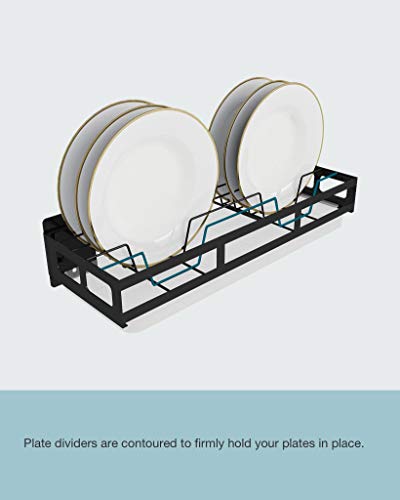
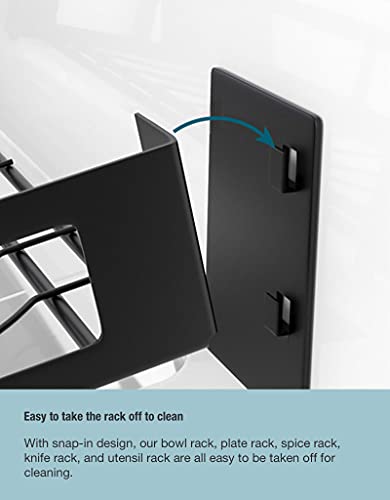
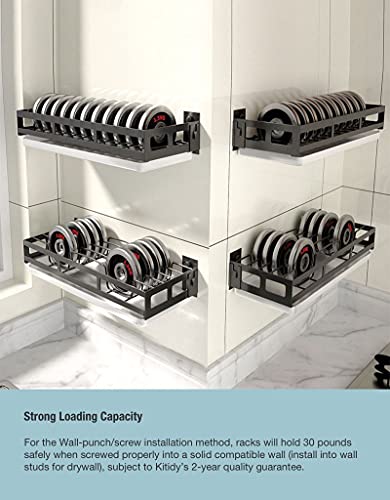
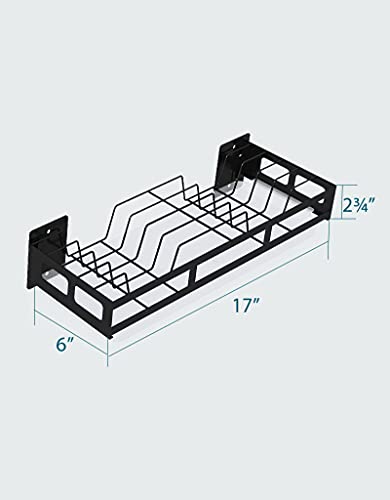
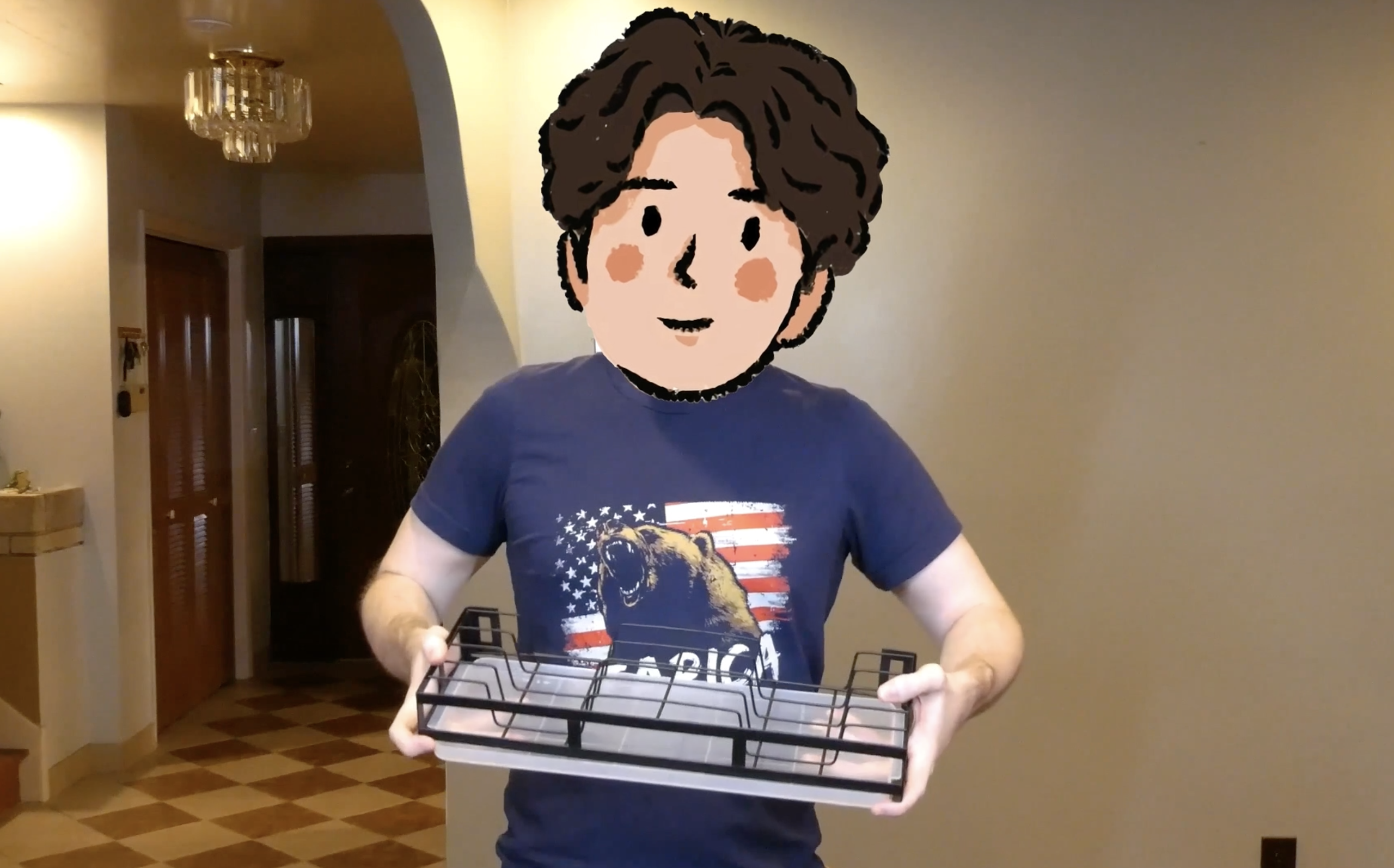
If the drywall around both brackets is crumbled across a wide area, if the brackets are bent or the screw holes are stripped and oval, or if you have already patched twice and the rack still creeps forward in 2026, repair stops paying off. A warped frame will keep prying at any new anchor. If you would rather start fresh with a lighter stainless setup that includes a pull-out drain tray and snap-in parts for cleaning, you could look at the Kitchen Wall-Mounted Plate Storage Rack as one option that is rated up to 30 lbs when installed properly with screws and anchors, and be sure to mount it into a stud or with proper toggle anchors.
This article contains affiliate links. If you buy through one of our links, TheGarageCrafted may earn a commission at no extra cost to you. Commissions never influence which products we recommend or how we rank them. Read our Affiliate Disclosure for details.

Kitidy Wall Mounted Plate Rack with Drying Tray


As an Amazon Associate we earn from qualifying purchases. Product prices and availability are accurate as of the date/time indicated.
When to Skip This and Call a Professional
Basic anchor swaps are fine for small cosmetic pullout, but this approach is not ideal for large failed sections, cracked or bowed drywall, tile or plaster walls that keep shedding chunks, or any rack that must hold heavy loads above a sink, stove, or walkway where a fall could hurt someone. Skip this DIY fix if the wall feels soft over a wide area or if wiring or plumbing may sit behind the holes. In those cases pause and get qualified help, and always follow the manufacturer weight capacity and wall-anchoring instructions instead of adding extra plates or longer screws on your own.
Frequently Asked Questions
Can I just use longer screws to fix wall-mounted plate storage pulling out of the drywall?
Longer screws in the same stripped hole rarely help because there is still no solid material for the threads to grip. Try landing at least one side in a stud, or switch to a toggle anchor that spreads pressure behind the panel. Patch the old hole first so the new anchor starts in firm drywall.
Why does my rack feel solid when empty but pull forward when loaded?
An empty rack puts little outward force on the top anchors, so loose hardware can feel tight until weight moves the center of gravity forward. Plates stacked near the front edge act like a lever that pulls the top screws outward. Even out the load side to side, stay within the maker rated load, and check that both brackets sit flat without rocking.
Should I move the rack to another wall or switch to cabinet storage?
Try moving to a stud-backed spot first, since a fresh section of firm drywall plus one stud connection often solves repeat pullout. If your wall stays soft, if humidity is high, or if you prefer enclosed storage, explore options in garage cabinets and lockers for ideas on shifting fragile dishes to sturdier shelving. Keep plate racks for lighter daily sets and heavier stacks where they have full support.
Browse more picks in our Weight Plate & Barbell Storage category.





Write Your Review
No reviews yet. Be the first to share your experience!