

Quick Answer
The best way to wash reusable shop rags is to shake them out outside, sort by soil level, then wash them alone in a full cycle with warm or hot water and a heavy duty laundry soap. Skip fabric softener and dryer sheets, use an extra rinse, then dry fully before storage. That routine lifts most oil and grease without leaving film that ruins absorbency. Keep shop loads separate from clothes and towels every time, and this baseline still works well for 2026 shop routines.
Why This Happens
Shop rags hold onto oil, grease, brake dust, coolant residue, and wood resins that household laundry never sees. Cotton fibers swell and trap that grime deep inside, while microfiber splits grab fine particles and hold them tight through a light cycle. One common cause of poor results is simply overloading the drum, because your machine cannot flush heavy soil if rags are packed tight and water cannot circulate.
Cold water and a quick cycle are often a weak match for shop soil. Grease needs warm or hot water and enough soap to suspend oil so it rinses away instead of redepositing. Fabric softener and dryer sheets also coat fibers with a waxy layer, which makes cotton feel soft at first but leaves microfiber streaky and less absorbent. Using too much soap can do the same by leaving residue that traps odor.
Mixing fabric types in one load can make results worse. Cotton shop towels shed lint that clings to microfiber, and microfiber then leaves that lint on glass, chrome, or fresh paint. Washing shop rags with family clothes spreads odor and grit, and metal chips or sawdust can transfer too. Sorting cotton from microfiber and sorting by soil level helps you get a cleaner rinse, and you can keep clean and dirty stock visible with clear bins so loads never get mixed by mistake.
Smell that lingers after washing usually points to storage habits rather than soap choice. Rags left damp in a pile, bucket, or washer drum can turn sour quickly, especially in a humid garage with limited airflow. Mildew thrives in that damp bundle and leaves a musty odor that survives a quick wash. Shaking rags out and letting heavily soiled ones air dry before wash day helps reduce that buildup, and you can find broader ideas for dry, ventilated storage in garage cabinets and lockers.
Fixes to Try
- Take your basket outside, shake each rag hard, and pick off metal shavings, wood chips, or dried paint flakes before they reach your washer. Sort cotton towels from microfiber cloths and keep the oiliest rags in their own load so heavy grease does not redeposit on lighter soil.
- For thick grease or gear oil, try a pre rinse in a bucket with warm water and a small squirt of dish soap or laundry soap, then wring out before machine washing. This loosens surface oil so the main wash can focus on deep soil instead of floating sludge.
- Wash shop rags alone, never with clothes, on a full heavy soil cycle with warm or hot water and a steady dose of heavy duty soap. Fill the drum loosely so water can move freely, and try a second wash without extra soap if the water still looks dark or feels slick.
- Skip fabric softener, dryer sheets, and scent boosters because they coat fibers and cut absorbency over time. Choose an extra rinse option and check for leftover suds, and if you see foam, run one more rinse until the water runs clear and rags feel squeaky rather than slippery.
- Dry rags fully right after washing, using a warm dryer setting or hanging in open air with space between each piece for airflow. Once cool and dry to the touch, fold and store in a ventilated shelf or secure cabinets away from moisture so they stay fresh until next use.
When to Consider Replacing It
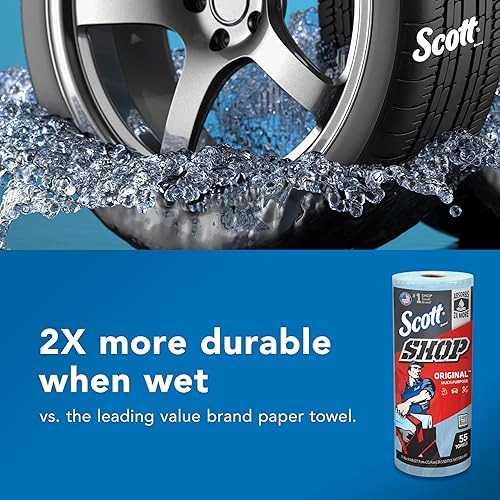
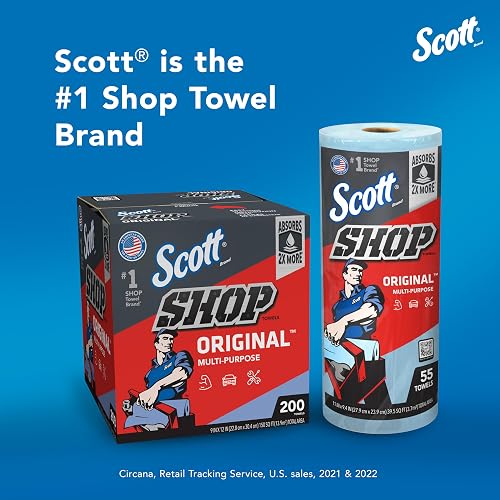
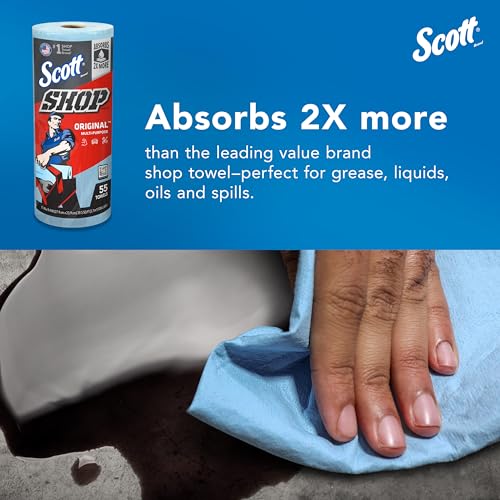
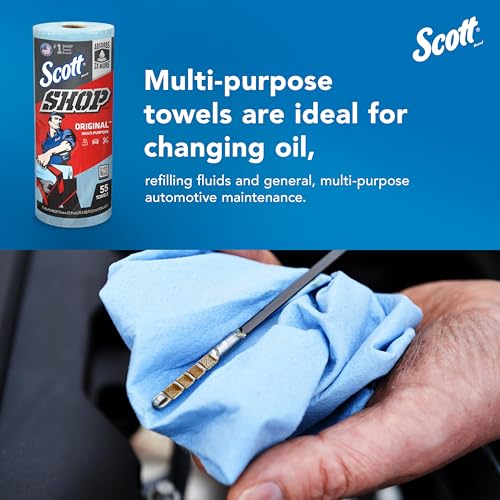
If rags stay stiff, sour, or streaky after a couple of careful washes with proper sorting and extra rinsing, further washing might not help much. Thin spots, frayed edges that shed, or microfiber that no longer grabs dust are also signs the fibers are worn out. If you would rather replace it than keep troubleshooting in 2026, this practical option from the Shop Towels and Microfiber Rags collection is worth a look:
This article contains affiliate links. If you buy through one of our links, TheGarageCrafted may earn a commission at no extra cost to you. Commissions never influence which products we recommend or how we rank them. Read our Affiliate Disclosure for details.

Prime Scott Shop Towels Original Blue








As an Amazon Associate we earn from qualifying purchases. Product prices and availability are accurate as of the date/time indicated.
When to Skip This and Call a Professional
This home wash routine is not recommended for rags soaked in gasoline, kerosene, parts washer solvent, or unknown shop chemicals. Those loads can leave residue in your machine, create fumes in your dryer, and raise a fire risk in storage. Skip this method for those loads, seal them in a metal container away from heat, and contact your local hazardous waste program for disposal guidance.
Frequently Asked Questions
Can I use the best way to wash reusable shop rags for loads mixed with regular clothes?
Try to keep them separate every time you wash. Shop soil, metal fines, and odors transfer easily, and household lint can clog microfiber and show up on your next wipe. Washing shop loads alone gives you better rinsing action and keeps family laundry clean and odor free.
What is the best way to wash reusable shop rags that still smell like oil after washing?
Try a second wash with warm or hot water, a modest amount of soap, and an extra rinse, then dry fully right away without letting the load sit. Lingering odor often means oil is still trapped in the fibers or rags sat damp too long before drying. Airing heavily soiled rags before wash day and wiping out your washer gasket can also help reduce sour smells.
Should I use bleach or fabric softener on reusable shop rags?
Skip softener in most cases because it coats fibers and lowers absorbency, especially on microfiber used for glass or detailing. For white cotton towels, a small amount of bleach used occasionally per label guidance might help with stains, but check care labels first and never mix bleach with other cleaners. When in doubt, try an extra rinse instead of adding more product.






Write Your Review
No reviews yet. Be the first to share your experience!