
Quick Answer
Garage floor coating yellowing over time is almost always UV degradation of an epoxy or aromatic urethane that was not formulated to be UV stable. If your coating is still solid and not peeling, you can usually slow or mask the yellowing with a deep clean and then protect it with a UV-stable clear topcoat, rather than stripping everything and starting over.
Why This Happens
Most standard epoxies are not UV stable. Aromatic epoxies and many solvent-based polyurethanes will amber or yellow when exposed to sunlight, even indirect light from an open garage door or windows. This is chemistry, not dirt, so cleaning alone will not reverse it.
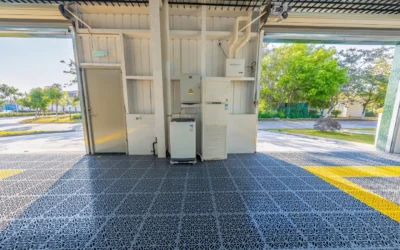
Sunlight is the biggest driver, but heat and artificial light accelerate it too. South-facing garages, spaces with skylights, and areas near the door apron often yellow first. You will often see a clear line where a car, mat, or toolbox blocked the light, you can explore garage floor mat options to see how coverings affect appearance over time.
Chemical exposure and age can make yellowing more obvious. Harsh cleaners, tire plasticizers, and hot tire pickup can stain or discolor a coating that is already starting to amber. Older single-component acrylics and lower-solids epoxies also tend to show color shift sooner than high-solids, aliphatic systems.
Application issues can contribute as well. A thin or uneven topcoat, missed UV-stable clear layer, or coating applied too thick in spots can cure with a slightly yellow cast that deepens over months. Moisture trapped under the coating during cure can also create a cloudy, yellowish look.
Finally, some yellowing is simply the natural aging of a non-aliphatic clear coat. If the original system used a clear epoxy as the final layer without an aliphatic polyaspartic or polyurea topcoat, gradual yellowing in sunny areas is expected, even with good maintenance.
Fixes to Try
Try these steps in order, starting with the least invasive. Each one helps you confirm whether you are dealing with surface staining or true UV yellowing.
- Give the floor a thorough, gentle clean to rule out surface discoloration. Use a pH-neutral cleaner, warm water, and a soft deck brush, then rinse well and let it dry completely. If the yellow cast remains after drying, it is likely in the coating itself.
- Check where the yellowing is worst and compare it to shaded areas. Lift mats, move bins, and look for sharp lines where light was blocked. A pattern that matches sun exposure points strongly to UV degradation rather than a chemical spill.
- Reduce ongoing UV exposure where you can. Keep the garage door closed when not in use, add window film or shades if you have windows, and avoid parking with the same sunny patch exposed for months. This will not reverse existing yellowing but can slow further change.
- Lightly abrade and add a UV-stable clear topcoat if the base coating is still well bonded. Lightly scuff the surface per the topcoat manufacturer’s prep instructions, vacuum and wipe away dust, then apply a 100 percent aliphatic polyaspartic or polyurea clear coat. Follow the manufacturer’s ventilation, mixing, and cure instructions closely.
- Address chips or peeling before topcoating. Scrape away any loose material, fill cracks per the product instructions, and spot prime bare concrete. Topcoating over a failing base will not hold, so fix adhesion issues first.
If cleaning makes little difference and the yellowing is uniform and translucent, a UV-stable clear coat is often the most practical way to lock in color and add gloss. You can also find ideas for protecting the slab in our Garage Floor & Safety guides.
When to Consider Replacing It
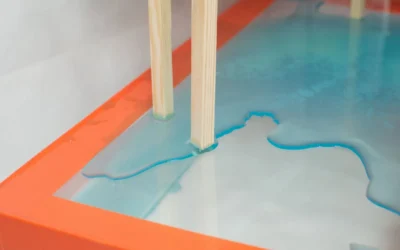
When the coating is peeling, bubbling, soft, or wearing through to bare concrete in traffic lanes, a simple topcoat will not solve the underlying bond problem. At that stage, stripping and recoating with a proper UV-stable system makes more sense than layering over a failing floor. If you would rather replace it than keep troubleshooting, one practical option is a clear epoxy designed for durability and clarity.
This article contains affiliate links. If you buy through one of our links, TheGarageCrafted may earn a commission at no extra cost to you. Commissions never influence which products we recommend or how we rank them. Read our Affiliate Disclosure for details.

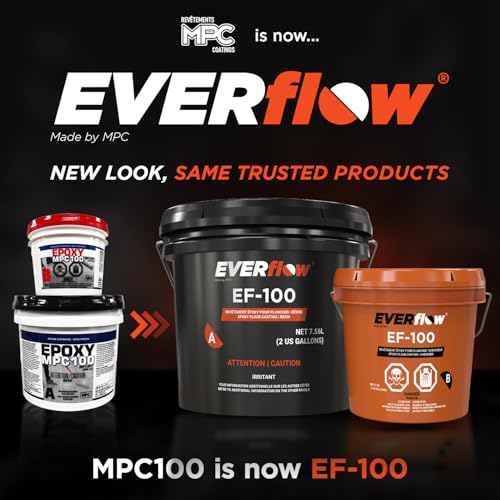
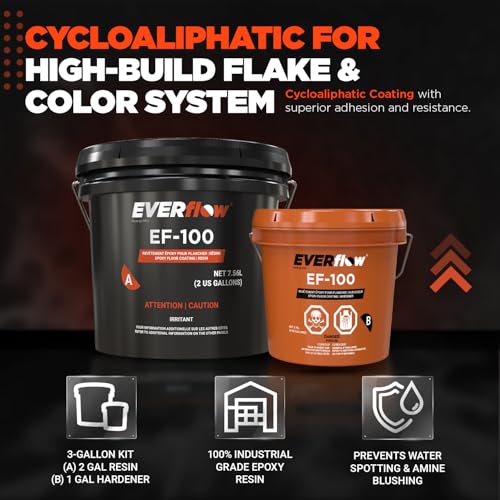
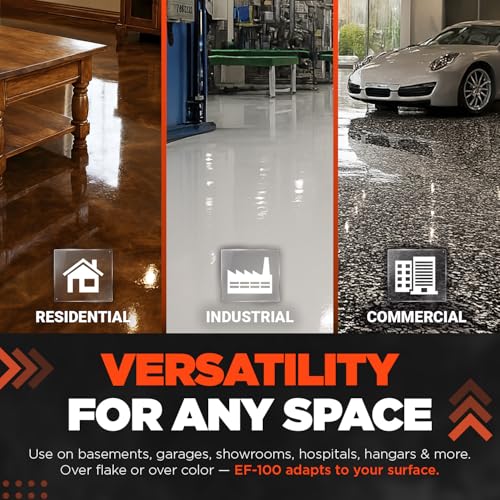
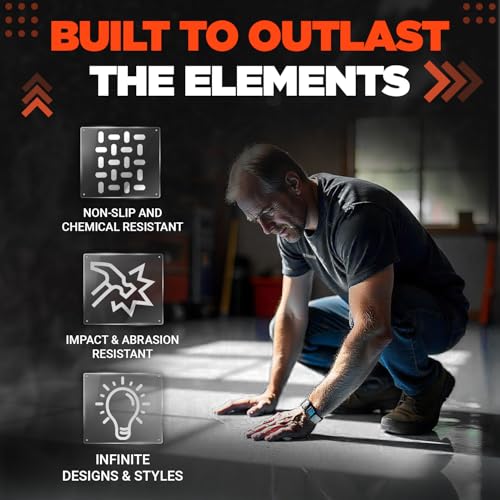
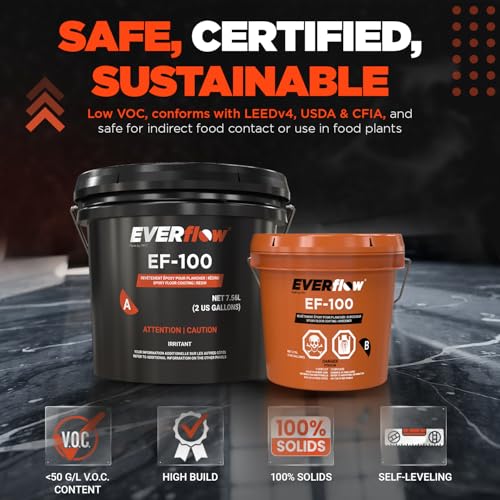
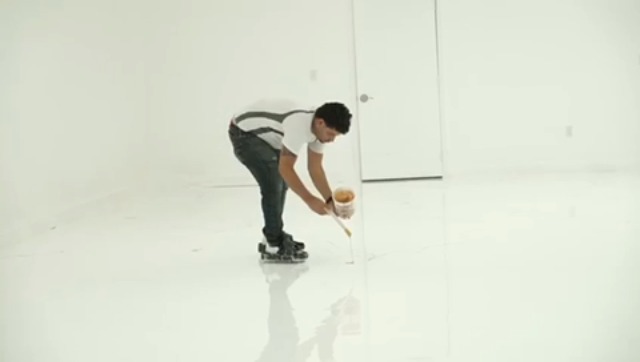
Prime Everflow MPC-100 Clear Epoxy Resin Floor Coating


As an Amazon Associate we earn from qualifying purchases. Product prices and availability are accurate as of the date/time indicated.
Look for a high-solids, self-leveling formula described as resistant to yellowing and suitable as a protective layer or binder for decorative systems. Pair it with an aliphatic topcoat for the best long-term color stability, and see our related picks for workshop storage to keep chemicals and tires off the fresh finish.
When to Skip This and Call a Professional
This DIY approach is not ideal for floors with widespread delamination, strong chemical odors, or moisture coming up through the slab. If you see large sheets lifting, a white powdery residue, or damp spots that never dry, skip this and consult a flooring professional. For any recoating work, follow the coating manufacturer’s ventilation instructions, wear appropriate respiratory and eye protection, and keep ignition sources and children away until the coating has fully cured. This guidance is not a good fit for structural slab repairs or for fixing electrical lighting near the floor, which should be handled by a qualified professional.
Frequently Asked Questions
Why is my garage floor coating turning yellow only near the door?
That pattern usually means UV exposure. Sunlight hits the apron and door area hardest, so aromatic epoxies and non-UV-stable clears amber there first. Adding a UV-stable aliphatic topcoat and limiting direct sun can help keep the color even.
Can I clean yellowing off my epoxy floor?
Cleaning can remove dirt, tire marks, and chemical stains that make yellowing look worse, but it will not reverse UV-induced ambering inside the coating. If the yellow remains after a thorough rinse and dry, the discoloration is in the film and needs a UV-stable clear coat or recoat to correct.
Will a new clear topcoat stop my floor from yellowing again?
A 100 percent aliphatic polyaspartic or polyurea clear coat is formulated to be UV stable and resist yellowing far better than standard epoxy clears. It can protect the color underneath and slow future change, but no coating is completely immune to sun forever, so continued shade and proper maintenance still matter.
Write Your Review
No reviews yet. Be the first to share your experience!