

Quick Answer
Garage shelving wobbling is most often caused by an uneven garage floor combined with loose bolts and uneven weight distribution. Try this first: empty the shelves, place the unit where you want it, adjust the leveling feet or add shims until it sits solid with no rocking, then retighten every bolt and connector from bottom to top and reload with the heaviest bins on the lowest shelf.
Why This Happens
Garage floors are rarely perfectly level. Concrete often slopes slightly toward the door for drainage, has small dips, cracks, or raised seams, and even a quarter inch of difference under one post will make a tall metal rack rock side to side. Without leveling feet or proper shimming, the frame twists slightly and every movement you make amplifies the wobble.
Assembly hardware loosens over time, especially on bolt-together heavy duty shelving. Vibration from opening and closing the garage door, loading and unloading heavy totes, and seasonal temperature changes can back nuts and bolts off just enough to introduce play at each joint. A small amount of play at four corners becomes a very noticeable sway at the top shelf.
How you load the shelves matters as much as how you built them. Placing heavy items up high raises the center of gravity and makes the unit top heavy, while putting all the weight on one side racks the frame. Overloading beyond the manufacturer’s guidance, using mismatched shelf heights that leave the frame less braced, or skipping the wall anchor on a tall unit will also make wobbling worse. For more ideas on choosing a stable configuration for your space, see this guide to the best garage shelf for workshop.
Finally, damage and floor conditions can contribute. Bent uprights, deformed cross braces, or missing clips from a previous move will reduce rigidity, and smooth concrete can let plastic feet slide instead of grip. Humidity and rust are less common causes of wobble, but corrosion at joints can weaken the connection points on older units in damp basements or unsealed garages.
Fixes to Try
- Check for floor contact and level the base. Empty the unit, rock it gently to find the short leg, then turn the leveling feet out or slide a hard plastic or metal shim under the foot until all four feet sit firmly with no rocking. Avoid soft wood shims that can compress under load.
- Tighten every connection point in order. Starting at the bottom, snug all bolts, nuts, and shelf clips with the correct wrench or screwdriver, then work upward. Check cross braces and center supports as well, and retighten again after you reload, since weight can settle the joints.
- Rebalance the load from the bottom up. Place the heaviest, densest items like toolboxes, hardware bins, and cases of fluids on the lowest shelf, medium weight in the middle, and lightest, bulky items up top. Distribute weight evenly left to right and front to back so the frame is not twisted.
- Anchor a tall or narrow unit to the wall. If your shelving includes a wall fixing kit or anti tip strap, secure it into a wall stud or solid masonry anchor following the manufacturer’s instructions. This is especially important for units over about four feet tall or in areas with vibration or where children may be present.
- Inspect for bent or missing parts and add stability. Look for bowed uprights, bent beams, or cracked welds, and replace any damaged component rather than forcing it straight. On concrete, consider adding rubber foot pads for grip, and if you need a different footprint for an uneven wall, explore options in the best storage rack for concrete wall roundup.
When to Consider Replacing It
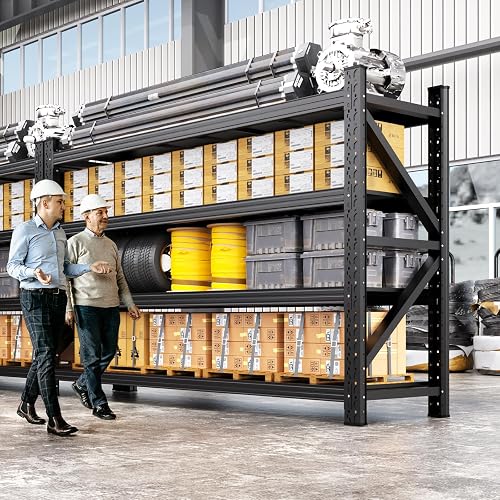
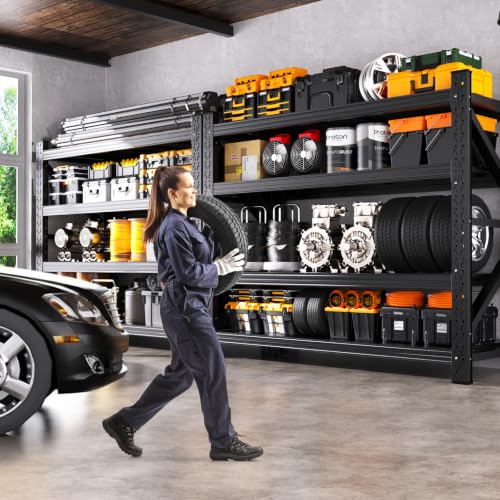
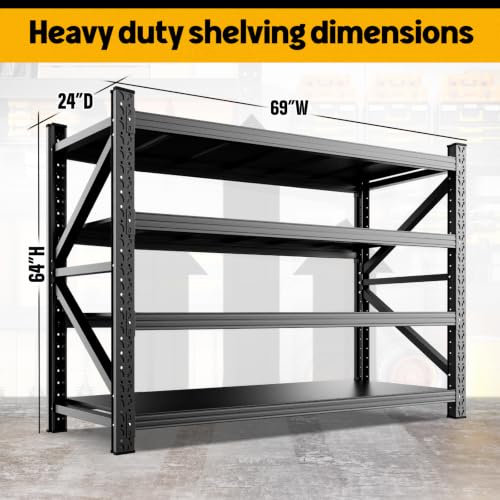
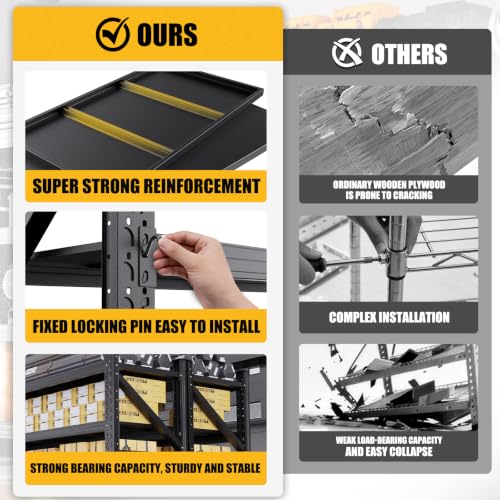
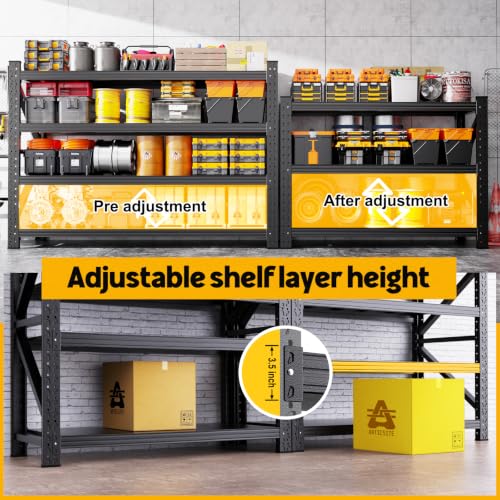
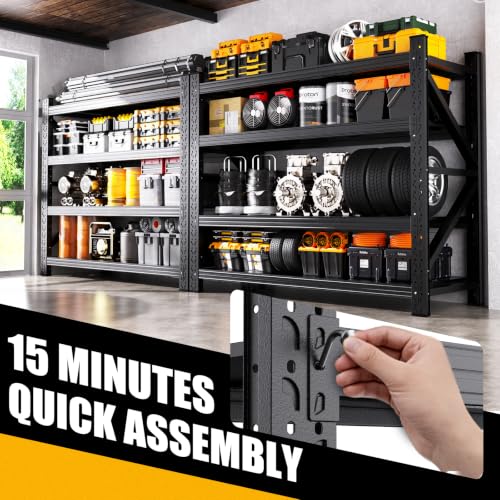
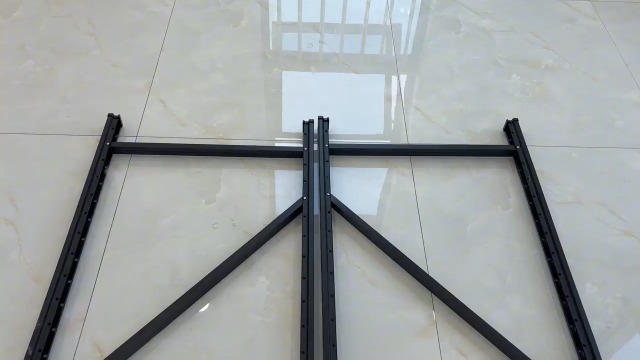
If the frame stays wobbly after leveling, tightening, and rebalancing, or if you see bent uprights, cracked welds, stripped bolt holes, or shelves that sag even with lighter loads, repair may not be worthwhile. A rack that was undersized for your bins or that lacks adjustable feet and proper bracing will keep causing frustration. If you would rather replace it than keep troubleshooting, one practical option in the Heavy Duty Shelving & Racking category is the 5000LBS Heavy Duty Storage Shelves with adjustable shelf height and a metal structure designed for better stability in garages and basements.
This article contains affiliate links. If you buy through one of our links, TheGarageCrafted may earn a commission at no extra cost to you. Commissions never influence which products we recommend or how we rank them. Read our Affiliate Disclosure for details.

CCIOBTE 5000LBS Heavy Duty Garage Shelving 4-Tier




As an Amazon Associate we earn from qualifying purchases. Product prices and availability are accurate as of the date/time indicated.
When to Skip This and Call a Professional
DIY leveling and tightening is not ideal for situations where safety is at stake. If the shelving is very tall, heavily loaded, shows signs of structural failure like cracked welds or severely bent posts, or needs to be anchored into concrete, block, or overhead joists, skip this and follow the manufacturer’s weight capacity and anchoring instructions closely. Anchoring shelving to the wall to prevent tip over and respecting load limits is critical, and this type of work is not recommended for makeshift brackets or masonry work without the right anchors and tools. When in doubt, consult a qualified professional for installation.
Frequently Asked Questions
Why does my garage shelving wobble even though the floor looks flat?
Garage floors often have a subtle slope or small high and low spots that are hard to see but enough to lift one foot off the ground. Try adjusting leveling feet or using hard shims, then retighten all hardware, as even slight unevenness combined with loose joints creates noticeable sway at the top.
Should I put the heaviest items on the top or bottom shelf to stop wobbling?
Always keep the heaviest items low. Weight up high raises the center of gravity and makes any wobble worse, while weight down low helps the base stay planted. Spread the load evenly side to side and avoid concentrating all heavy bins on one end of a shelf.
Will anchoring my shelving to the wall fix the wobble?
Anchoring can greatly reduce sway and is recommended for tall, narrow units to prevent tip over, but it is not a substitute for a level base and tight hardware. Try leveling and tightening first, then add a proper wall anchor into a stud or approved masonry anchor per the manufacturer’s guidance if wobble remains or if the unit feels unstable when loaded.







Write Your Review
No reviews yet. Be the first to share your experience!