

Quick Answer
If your metal shelving rusting in garage is getting worse, the most common cause is moisture getting under a scratched or chipped powder coating and oxidizing the bare steel. Try cleaning off loose rust with a wire brush, drying the area completely, then sealing it with a rust-inhibiting primer and enamel paint, and finally improving airflow or using a dehumidifier to keep humidity down so it does not come back.
Why This Happens
Garages are rarely climate controlled, so they swing between cold nights and warm days. That cycle creates condensation on cool metal surfaces, and even a thin film of moisture left for hours is enough to start oxidation, especially in humid months or if you live near the coast.
Most garage shelving relies on a powder coating to keep oxygen and water away from the steel. One common cause of rust is a small scratch from sliding a tote, a dropped tool, or over-tightened hardware that breaks that coating. Once the seal is broken, rust can creep under the surrounding paint and spread even if the original chip looked tiny.
The bottom shelves and feet usually rust first because they sit closest to the concrete floor. Concrete can wick moisture, puddles from rain or snow melt can sit under the feet, and road salt carried in on tires accelerates corrosion. If you store damp items like garden tools, car wash supplies, or firewood directly on the shelf, that trapped moisture makes it worse.
Poor ventilation also plays a role. A closed, uninsulated garage with little air movement holds humid air for longer, and cardboard boxes or fabric bins can hold moisture against the metal. You can find more background on heavy duty options built for these conditions in this guide to the best garage shelf for workshop, which explains how finish and frame design affect rust resistance.
Fixes to Try
Work from the simplest, safest steps first. Wear gloves, eye protection, and a dust mask, move items off the shelf, and make sure the area is well ventilated before you start sanding or painting.
- Clean and dry the shelf completely. Try wiping the rusted area with a damp cloth and mild detergent to remove dirt and salt, then dry it thoroughly with a clean towel and let it air dry. Check that no moisture is trapped in corners or under shelf liners.
- Remove loose rust gently. Try using fine sandpaper, a sanding block, or a wire brush to take off flaky rust until you reach mostly solid metal. Wipe away dust with a dry cloth, and avoid gouging the surrounding good coating more than needed.
- Seal the bare metal. Try applying a rust-inhibiting primer rated for metal, following the label directions for dry time and ventilation. One common approach is to use a rust converter on light surface rust first, then primer, so the remaining oxidation is neutralized before top coating.
- Repaint and protect the finish. Try finishing with a rust-resistant enamel or appliance epoxy paint that matches the original coating, applying thin, even coats. Once cured, consider adding shelf liners that allow airflow and avoid dragging heavy bins across the surface.
- Control the moisture source. Try improving airflow with a fan, cracking the garage door periodically, using a dehumidifier in damp seasons, and keeping shelves a little away from walls and off direct floor contact with leveling feet. Check for leaks, and store wet items elsewhere until they are dry.
If rust keeps returning in the same spot after you seal it, check whether water is dripping from above, condensing on the underside of the shelf, or pooling at the feet. Addressing the water path is often more effective than repainting the same area repeatedly.
When to Consider Replacing It
Surface rust you can sand smooth and seal is often worth saving, but replacement makes more sense when rust has eaten through the metal, caused pitting or flaking that weakens the shelf, or made the uprights or braces feel soft or crumbly. If shelves sag, wobble after cleaning, or welds look cracked and rusted, the structure may no longer support loads safely. For a broader look at alternatives that handle concrete and humidity better, see the best storage rack for concrete wall.
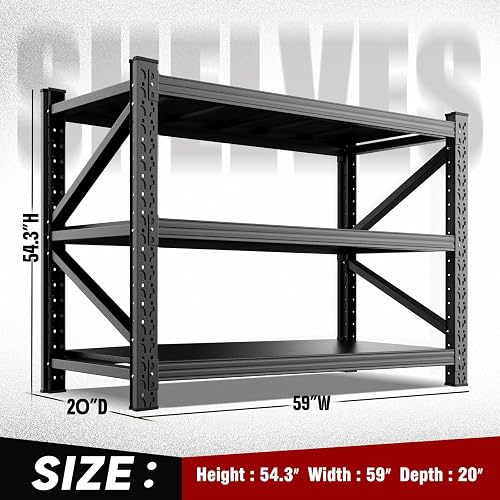
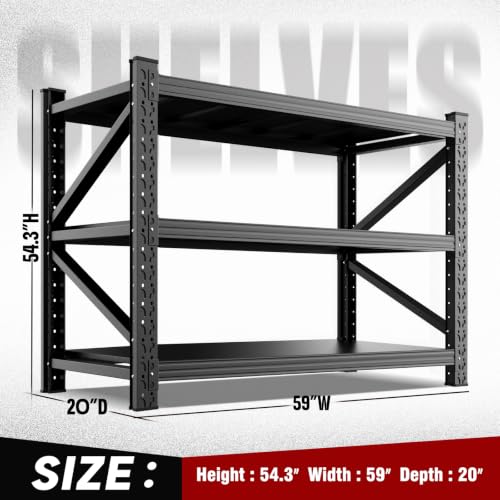
If you would rather replace it than keep troubleshooting, one practical option with a durable powder-coated finish designed for damp garages and basements is this:
This article contains affiliate links. If you buy through one of our links, TheGarageCrafted may earn a commission at no extra cost to you. Commissions never influence which products we recommend or how we rank them. Read our Affiliate Disclosure for details.

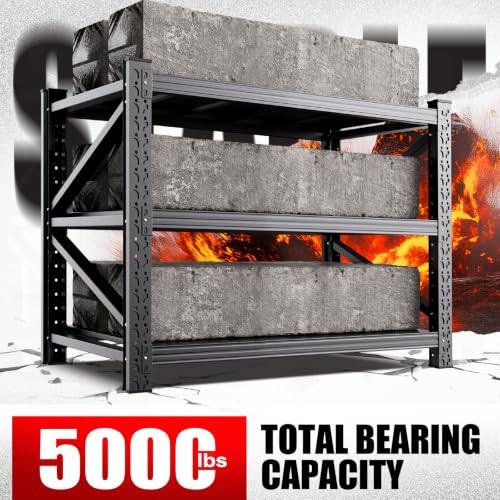
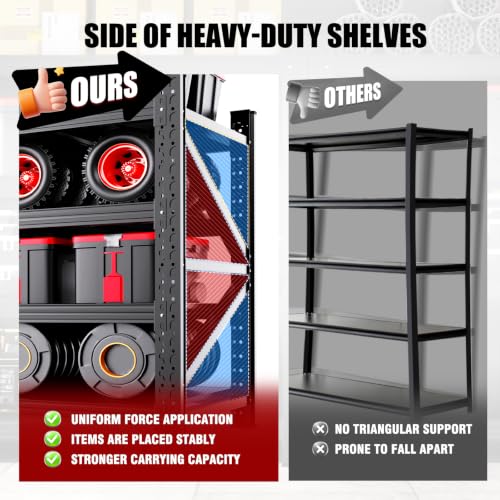
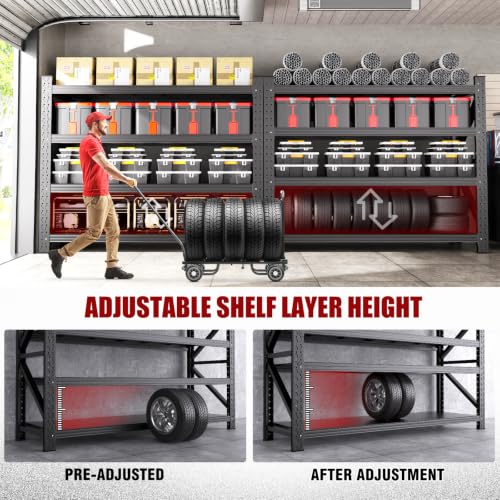
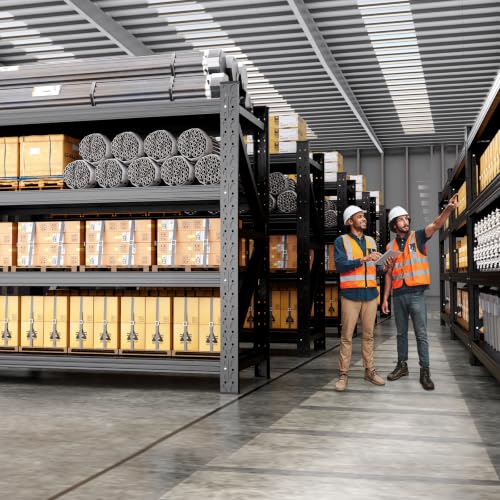
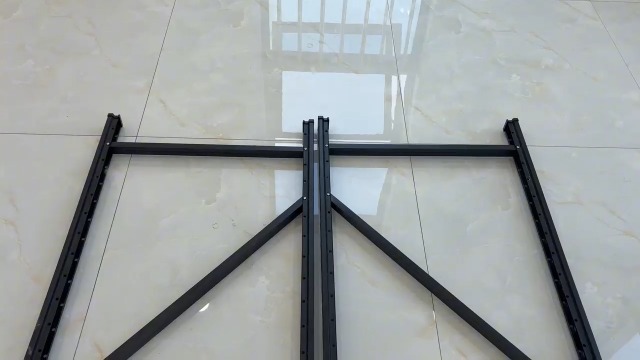
AXASIIO 5000LBS Heavy Duty Garage Shelving 59"W x


As an Amazon Associate we earn from qualifying purchases. Product prices and availability are accurate as of the date/time indicated.
Look for features like a continuous powder coating, adjustable shelves so you can keep items off the floor, and stable feet that reduce direct floor contact. You can explore more choices in the Heavy Duty Shelving & Racking category.
When to Skip This and Call a Professional
DIY cleaning and touch-up paint is not ideal for shelves that are heavily rusted, heavily loaded, or more than chest high and at risk of tipping. This approach is also not a good fit if the unit is leaning, anchors have pulled out of the wall, or rust has compromised welds and weight-bearing joints. For tall or heavily loaded shelving, always follow the manufacturer’s weight capacity and anchoring instructions and anchor the unit to wall studs to prevent tip-over. If you are unsure about structural safety or the shelving holds very heavy or hazardous items, skip this and have a qualified professional assess it rather than trying a workaround.
Frequently Asked Questions
Can you stop metal shelving rusting in garage without replacing the shelves?
In many cases you can slow or stop light surface rust by cleaning, drying, sanding off loose scale, and sealing with a rust-inhibiting primer and enamel. Try addressing the humidity source at the same time, because paint alone will not hold if moisture keeps sitting on the metal.
Why is my garage shelving rusting only on the bottom shelf and legs?
The lowest parts stay damp longest from concrete moisture, puddles, and salt residue, and they get more scratches from foot traffic and moving items. Try raising the unit slightly with leveling feet, keeping the floor dry, and checking that water is not draining toward the shelving.
Should I spray WD-40 or oil on rusty garage shelves to protect them?
Oil can make shelves slippery and attract dust, and it does not replace a proper primer and paint seal for long term protection. Try using products specifically labeled as rust-inhibiting primer and topcoat for metal, and follow the manufacturer’s ventilation and cure time instructions.

Write Your Review
No reviews yet. Be the first to share your experience!