

Quick Answer
Garage shelving leaning forward is most often caused by top wall anchors that have pulled loose from drywall or missed studs, combined with heavy items stored toward the front edge. Try unloading the shelves completely, then check if the unit is level and whether the upper brackets or straps are still tight in solid studs or concrete. If the anchors move at all when you tug them, that is your starting point before you reload anything.
Why This Happens
Freestanding garage shelving is designed to carry weight straight down, but when the front is loaded heavier than the back it creates forward leverage. Over time that leverage can pull the top of the unit away from the wall, especially if it was only held by drywall anchors instead of wood studs or concrete anchors. Even a small gap at the top makes the whole frame look like it is tipping forward.
An uneven garage floor is another common cause. Most garage slabs slope slightly toward the door for drainage, and adjustable feet or shims that were never set correctly will let the unit lean. You may notice the lean gets worse as you add weight, or that the doors or bins on the shelves slide forward on their own. A simple level check front to back will often confirm this.
Loose assembly hardware can also contribute. If cross braces, shelf clips, or upright bolts were not fully tightened, the frame can rack and flex forward under load. This is especially common after moving the unit or after months of vibration from opening and closing garage doors. Check the instructions for your specific model to see where bracing is required.
Finally, overloading or uneven loading accelerates every other issue. Storing heavy totes, paint cans, or tools on the front half of the shelf while the back stays light shifts the center of gravity forward. For ideas on how different systems handle heavy loads, you can review best garage shelf for workshop to see how construction and bracing affect stability.
Fixes to Try
Work in order from safest and easiest to more involved. Always unload the shelving first so it cannot tip while you adjust it, and keep children and pets away from the area while you work.
- Unload everything and inspect the frame. Remove all bins and items, then look for bent uprights, cracked welds, or shelf clips that have popped out. If any part is bent or cracked, do not reload it.
- Check for level front to back and side to side. Place a level on a shelf and on the floor under the unit. Try adjusting the leveling feet or adding sturdy shims under the front edge until the uprights are plumb.
- Tighten all frame hardware. Go joint by joint and snug bolts, cross braces, and shelf supports following the manufacturer guide. Do not overtighten to the point of stripping, just confirm nothing wobbles by hand.
- Re-anchor the top to the wall correctly. Locate studs with a stud finder or use proper concrete anchors if you have a masonry wall. Try reinstalling the anti-tip strap or L-bracket so it pulls the top of the unit firmly to the wall, and confirm the anchor does not move when pulled. For concrete walls, see best storage rack for concrete wall for anchoring considerations.
- Reload with weight centered and balanced. Place the heaviest items on the lowest shelf and push them toward the center or slightly toward the wall, not hanging over the front edge. Try to distribute weight evenly from side to side and avoid concentrating everything on one shelf.
After reloading, watch the unit for a few days. If it starts to creep forward again, recheck the anchors and level before adding more weight. A small adjustment early can prevent a larger lean later.
When to Consider Replacing It
If the uprights are bent, welds are cracked, shelf decks are bowed, or the wall anchors have torn out and left enlarged holes that will not hold again, repair may not be worth the effort. Repeated leaning after you have re-leveled, tightened, and re-anchored is also a sign the frame is no longer holding its shape. At that point, replacing with a unit that has a more stable base and proper wall-mount hardware can be simpler than continuing to troubleshoot.
This article contains affiliate links. If you buy through one of our links, TheGarageCrafted may earn a commission at no extra cost to you. Commissions never influence which products we recommend or how we rank them. Read our Affiliate Disclosure for details.

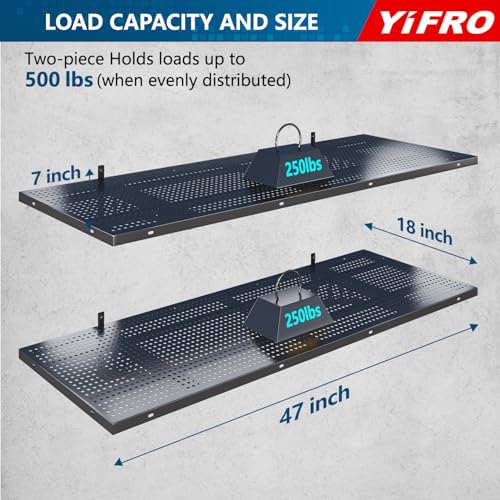
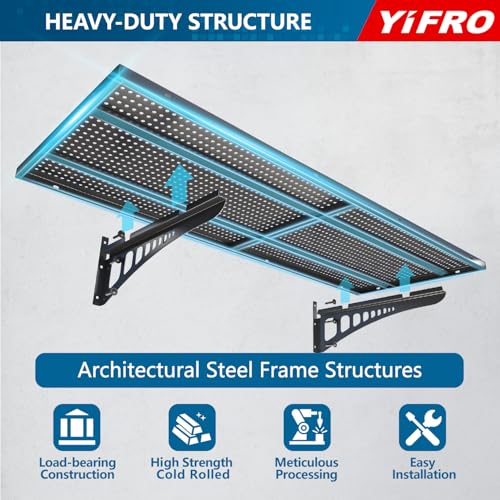
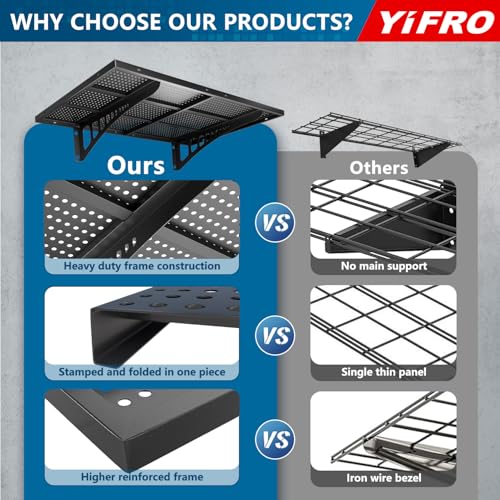
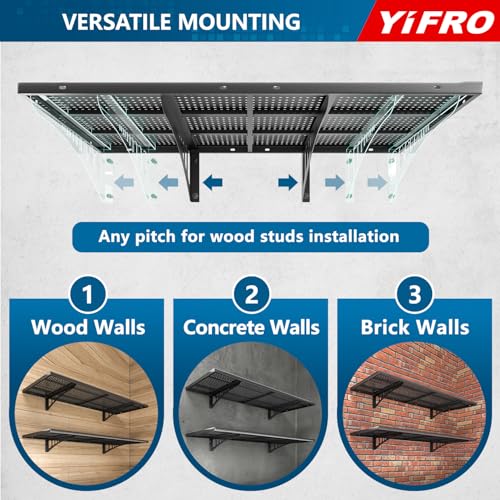
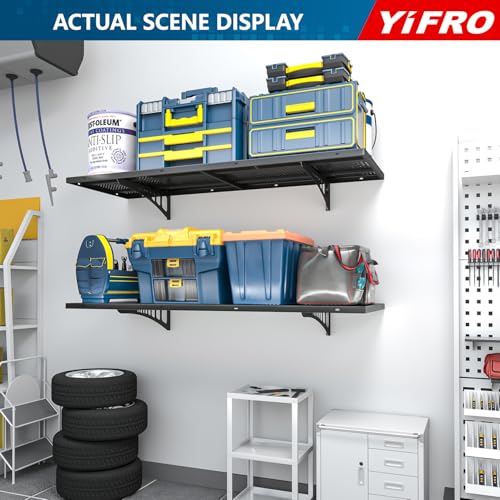
Prime Yifro 2-Pack 1.5x4ft Heavy Duty Garage Wall



As an Amazon Associate we earn from qualifying purchases. Product prices and availability are accurate as of the date/time indicated.
If you do replace it, look for features that help prevent forward lean from the start, such as adjustable spacing to hit multiple studs, included wall-mount hardware, and sturdy steel construction with hooks to keep floor space clear. The Heavy Duty Shelving & Racking category can help you compare wall-mounted versus freestanding options for your layout.
When to Skip This and Call a Professional
This type of DIY adjustment is not ideal for units that are very tall, heavily loaded, or installed overhead, and it is not a good fit if the shelving has already tipped, damaged the wall, or shows signs of structural failure. For tall or heavily loaded shelving, always follow the manufacturer’s weight capacity and anchoring instructions and anchor the unit to the wall to prevent tip-over, and have a qualified person assess any wall damage or concrete anchoring concerns. If you are unsure the wall can support the load, skip this and get professional help rather than trying a workaround.
Frequently Asked Questions
Why is my garage shelving leaning forward even though the floor looks flat?
Even a slight floor slope or a missing wall anchor can cause a forward lean that is hard to see at first. Try checking the unit with a level front to back and confirm the top is secured into studs or proper concrete anchors, not just drywall.
Should I put shims under the front or the back to correct a forward lean?
If the top is leaning forward, the front is often low or the top is not anchored. Try shimming under the front feet to bring the uprights plumb, but only after you have re-secured the top wall strap or bracket. Never stack unstable materials like cardboard as shims.
Can I just move heavy items to the back to stop the lean?
Redistributing weight toward the center and slightly toward the wall can reduce forward leverage and is a good first step. However, if the anchors are loose or the frame hardware is loose, weight changes alone will not keep it stable, so check level and anchoring as well. For related storage ideas, you might also explore best clear storage bins for concrete walls reviewed.




Write Your Review
No reviews yet. Be the first to share your experience!