

Quick Answer
If your tool chest lock jammed and the key will not turn, do not force it. In most rolling tool chests, the cause is a dry or dirty cylinder, a slightly bent key, or a cam that shifted when a drawer was slammed. Try wiggling the key gently while applying a dry graphite or lock-specific dry lube, then check that all drawers are fully closed and the chest is on level ground.
Why This Happens
Dust, metal shavings, and garage humidity are hard on small tubular and cam locks. Over time that debris packs into the pins and the keyway, which makes the key feel stuck or gritty. Oil-based sprays can make it worse because they attract more dust and turn into a sticky paste inside the cylinder.
A misaligned locking bar is another common cause. Most rolling chests use a single lock that moves a vertical bar or hooks behind the drawers. If one drawer is not fully closed, if the chest was moved while locked, or if the cabinet flexed on an uneven floor, the bar can bind and prevent the cylinder from turning.
Keys and cylinders also wear. A key that has been used for years, carried with other keys, or slightly twisted can no longer lift the pins cleanly. Cold weather and light surface rust inside a budget zinc alloy lock can add friction too, especially in sheds or garages without climate control. If you are comparing chest designs, this guide to the best rolling tool chest for workshop shows how different locking systems are built.
Finally, overloading or racking the cabinet can tweak the frame just enough to put pressure on the lock. When a chest is top heavy or one side is much heavier, the body can twist slightly. That twist puts side load on the cam and makes the lock feel jammed even though the cylinder itself is fine, which is why leveling and drawer alignment matter as much as lubrication.
Fixes to Try
- Close and reseat every drawer, then try again. Push each drawer in firmly with your palm, make sure nothing is blocking the back, and lift slightly on the drawer that holds the lock bar while you turn the key gently. Do not yank or use pliers on the key.
- Clean the key and keyway. Wipe the key with a dry cloth, blow out loose dust with a quick puff of air, and look for burrs or bends. Try your spare key if you have one, as a worn key is often the real problem.
- Apply a dry lubricant made for locks. Use a graphite powder or a lock-specific dry lube with the straw to puff a small amount directly into the keyway. Insert the key and work it in and out slowly a few times, then wipe away excess. Avoid heavy oil or WD-40 style products inside the cylinder.
- Level and stabilize the chest. Roll it to a flat spot, lock the casters, and check if the cabinet rocks. If it does, adjust the floor position or shim under the casters so the frame is not twisted, then try the lock again with drawers closed.
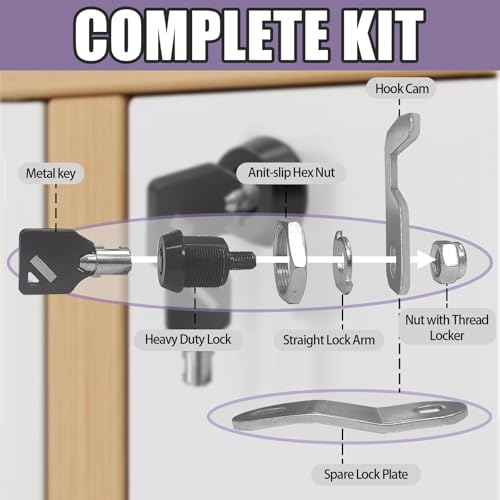
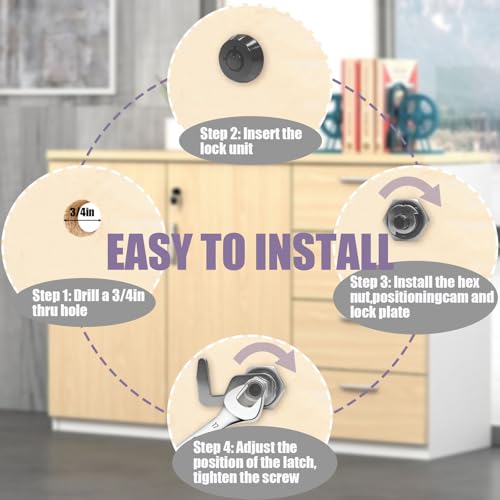
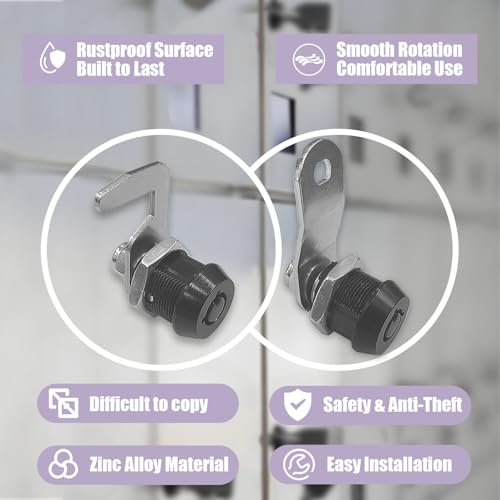
- Check the cam and mounting nut from inside. With drawers open, look at the back of the lock where the cam and nut sit. If the nut is loose, the whole cylinder spins instead of turning the cam. Snug it by hand, reposition the cam so it clears the locking bar, and avoid overtightening.
When to Consider Replacing It
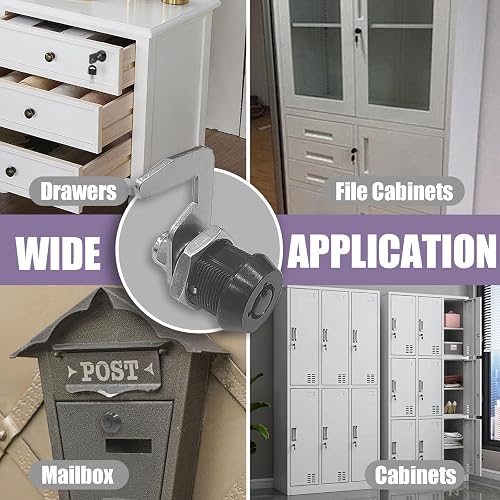
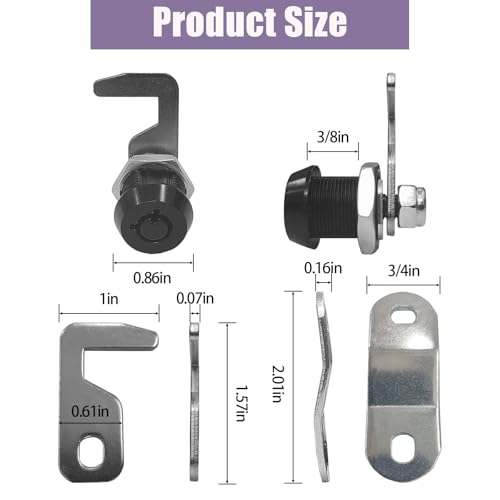
If the key still will not turn after cleaning, dry lubrication, and realigning the drawers and cam, the cylinder itself may be worn or corroded beyond simple care. A replacement is also sensible if the key breaks off, the cylinder spins freely without engaging, or the cam is cracked. If you would rather replace it than keep troubleshooting, a standard 5/8 inch tubular cam option is a practical fit for many chests. Check your bore hole size and panel thickness before ordering, and see related options in alternatives to Craftsman rolling tool chest for sizing context.
This article contains affiliate links. If you buy through one of our links, TheGarageCrafted may earn a commission at no extra cost to you. Commissions never influence which products we recommend or how we rank them. Read our Affiliate Disclosure for details.

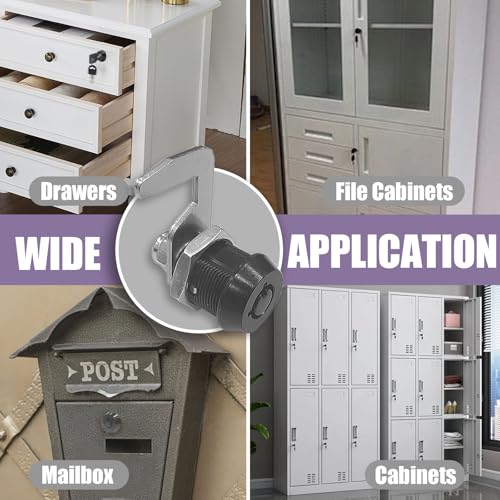
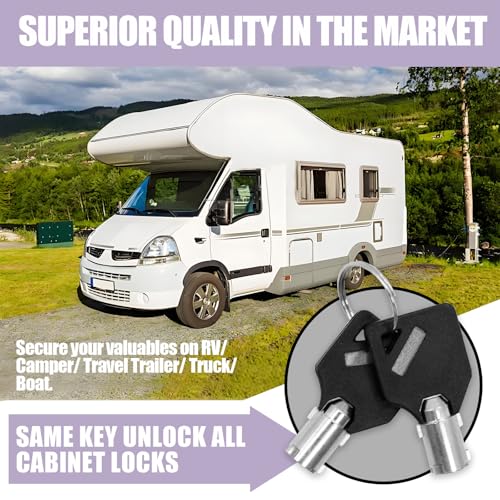
Prime NIANNIAN 5/8 Inch Tubular Cam Lock with Keys




As an Amazon Associate we earn from qualifying purchases. Product prices and availability are accurate as of the date/time indicated.
When to Skip This and Call a Professional
DIY lubrication and alignment is not ideal for every situation. If a key has broken off deep inside, the lock housing is cracked, the chest is bolted down or holds high value items where drilling could cause damage, or you need to preserve a warranty, skip this and contact the chest manufacturer or a locksmith. This is also not a good fit for forcing a seized lock with heat, drills, or pry tools, which can damage the cabinet and create sharp edges.
Frequently Asked Questions
Should I use WD-40 or oil if my tool chest lock jammed?
Try to avoid standard oil or general purpose penetrating sprays inside the keyway. They may free it briefly but they attract dust and can gum up the pins later. A dry graphite powder or a dry lube made specifically for locks is a better choice because it reduces friction without leaving a sticky residue.
Why does my key go in but not turn?
One common cause is that the locking bar is under pressure from a drawer that is not fully closed or from a twisted cabinet. Another is worn pins or a worn key that no longer aligns correctly. Try reseating all drawers, leveling the chest, and trying a spare key after a light application of dry lube.
How do I know what size replacement lock I need?
Measure the cylinder length and the mounting hole diameter, usually 3/4 inch for many tubular cam locks, and note the panel thickness and cam style. Most rolling chests use a 5/8 inch cylinder with a hook or straight cam and 90 degree rotation. You can browse the full Rolling Tool Chests & Cabinets category to compare lock types and chest setups before you buy.

Write Your Review
No reviews yet. Be the first to share your experience!