

Quick Answer
Tool chest casters wobbling under load is most often caused by loose mounting bolts, an uneven garage floor, or weight that is too high and too heavy for the casters you have. Before you buy anything, try tightening all four caster plates evenly, moving the chest to a flat area to check for floor rocking, and shifting your heaviest tools to the lowest drawers to lower the center of gravity. In many workshops this combination of retightening, leveling, and rebalancing removes most of the wobble without new hardware.
Why This Happens
Most rolling tool chests ride on four swivel plate casters that are bolted to the bottom of the cabinet. If even one bolt loosens or a lock washer is missing, the plate can shift slightly and create side to side play. That play feels minor when the chest is empty, but it turns into a noticeable wobble once you add several drawers of tools and push the chest across the shop.
Uneven floors are another frequent cause. Garage slabs often have dips, cracks, or a slight slope toward the door, so one caster lifts off the ground and the chest rocks on three wheels. You may notice the wobble comes and goes as you roll over different spots, which usually points to the floor rather than the cabinet itself. For ideas on choosing a more stable setup for your space, see this guide to the best rolling tool chest for workshop.
Weight distribution matters as much as total weight. When heavy sockets, impacts, and power tools are stored in top drawers, the chest becomes top heavy and any small caster looseness is magnified. Overloading beyond the manufacturer’s rating can also permanently deform the caster yoke, flatten the wheel tread, or stretch the swivel bearing, which leaves a wobble even on perfectly flat ground.
Wear, debris, and age also contribute. Dust, metal shavings, and dried grease can work into the swivel raceway and axle bearings, causing rough turning, looseness, and squeaking. A bent fork from hitting a threshold, a cracked polyurethane wheel, or a brake that no longer locks the swivel and roll firmly can let the chest drift and wobble when you try to keep it parked.
Fixes to Try
- Empty the top drawers to reduce tipping risk, tip the chest safely or lay it on its side with help, and check every caster plate bolt with the correct wrench. Try tightening them evenly in a star pattern and replace any missing nuts, washers, or loose screws.
- Roll the empty chest to a known flat area, like a level section of driveway or shop floor, and check for rocking. Try cleaning the floor, moving to a more level spot, or using thin shims under a low caster only as a temporary diagnostic step, not a permanent fix.
- Redistribute weight so the heaviest items sit in the bottom drawers and lighter hand tools stay up top. This lowers the center of gravity, reduces sway when you push, and takes stress off the front casters that often carry more load.
- Clean each caster, clear hair and debris from the axle, and add a light machine oil to the swivel bearing if the design allows it. Spin each wheel by hand and check for flat spots, cracks, or a bent fork, and try snugging the axle nut just enough to remove play without binding.
- Lock all brakes and push gently to see if the wobble stops when parked. If a brake does not hold both swivel and roll, adjust or replace that caster, and avoid rolling a fully loaded chest over cords, thresholds, or expansion joints that shock load the wheels. You can explore more stable configurations in the Rolling Tool Chests & Cabinets category if your current setup seems undersized.
When to Consider Replacing It
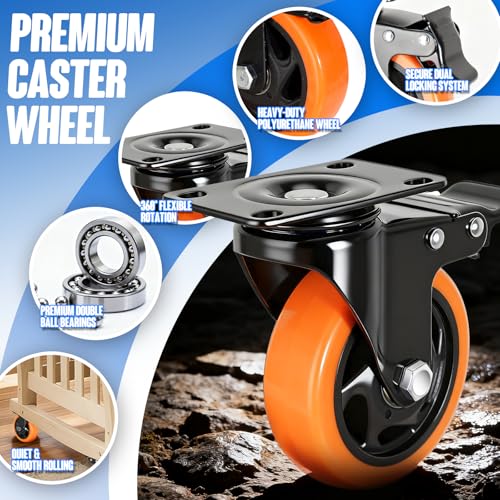
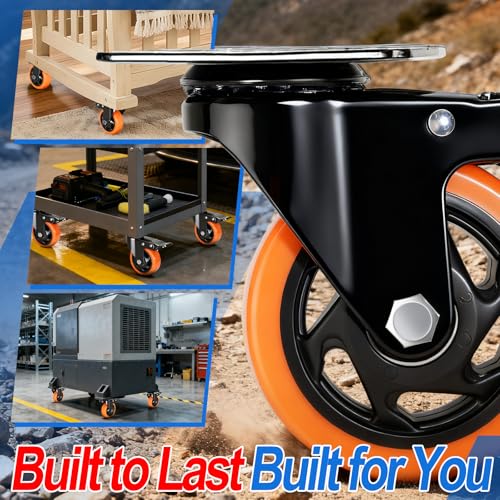
If tightening, cleaning, leveling, and rebalancing do not reduce the wobble, or you see a bent yoke, cracked wheel, elongated mounting holes, or a swivel that stays loose after proper tightening, repair often stops making sense. Casters that have been overloaded or hit hard often stay deformed and will wobble again quickly. If you would rather replace than keep troubleshooting, a matched heavy-duty set with dual locking and smooth 360 degree swivel can be a practical option.
This article contains affiliate links. If you buy through one of our links, TheGarageCrafted may earn a commission at no extra cost to you. Commissions never influence which products we recommend or how we rank them. Read our Affiliate Disclosure for details.

Prime AGBOLO 4 Inch Caster Wheels Set of 4


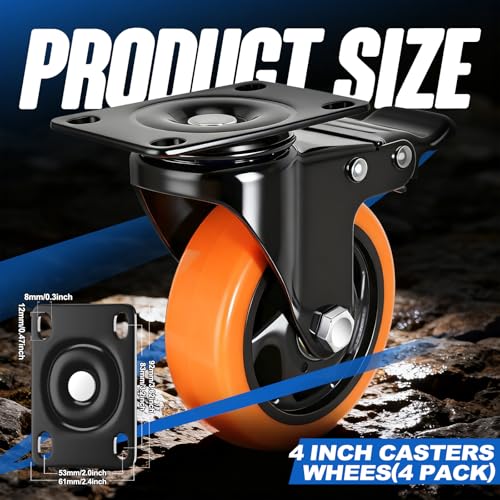
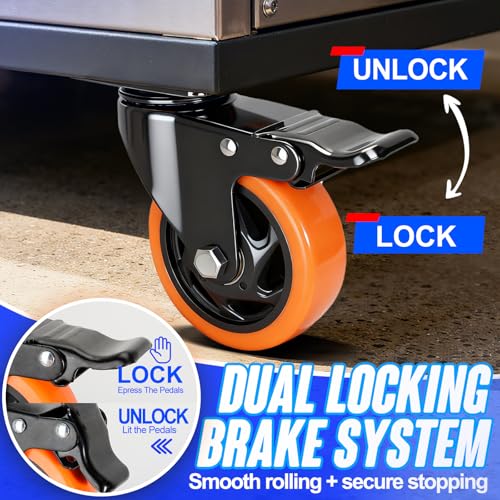
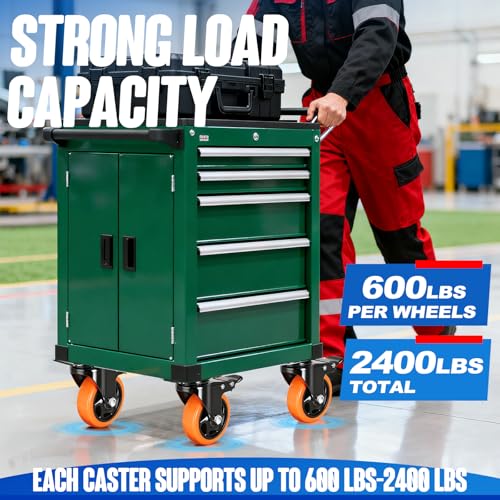
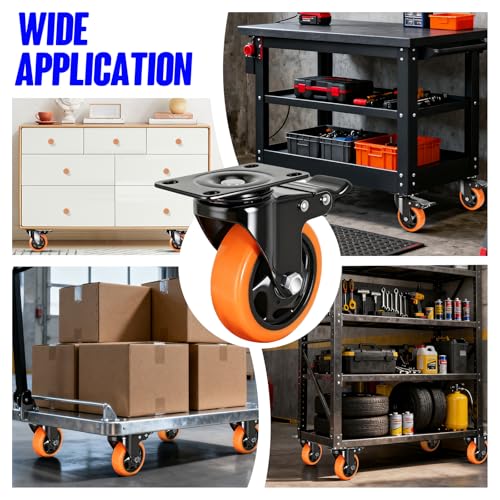
As an Amazon Associate we earn from qualifying purchases. Product prices and availability are accurate as of the date/time indicated.
When to Skip This and Call a Professional
If the chest is severely overloaded, leans visibly, or feels like it could tip when you open multiple drawers, this DIY approach is not ideal for a quick fix and is not recommended for tall or heavily loaded cabinets. Always follow the manufacturer’s weight capacity and installation instructions, and do not try to weld, straighten, or reinforce a failed caster yoke or cabinet base yourself. If the cabinet shows structural cracks, the floor is badly uneven, or the chest must be moved while fully loaded, skip this and get help from a qualified professional to assess safe load limits and handling.
Frequently Asked Questions
Why do my tool chest casters only wobble when fully loaded?
Load magnifies any small looseness in the plate, bearing, or floor, so play that is invisible when empty becomes obvious under weight. Heavy top drawers increase leverage and make the same tiny movement feel like a strong wobble. Try moving heavy tools lower and retightening all mounting hardware before considering new casters.
Should I replace just one wobbly caster or all four?
You can try replacing a single visibly damaged caster if the other three roll smoothly and the mounting pattern matches exactly. However, if the set is old, mismatched, or was overloaded, replacing all four keeps height, rolling resistance, and braking even. Mismatched wheels often create new rocking, so compare consistent sets and stable chest options in this overview of the 1 Best Rolling Tool Chests for Heavy Totes Reviewed 2026.
Will bigger casters stop my tool chest from wobbling?
Larger heavy-duty casters can help if your current wheels are undersized for the load, but only when the plate size, bolt pattern, and overall height match the cabinet design. Do not drill new holes that weaken the base or exceed the chest’s rated capacity. Check the manufacturer’s specs for compatible caster size and load rating before swapping.






Write Your Review
No reviews yet. Be the first to share your experience!