

Quick Answer
If your rolling tool chest lid won’t latch shut, the most common cause is something pressing against the lid from inside or debris blocking the latch itself. Clear the top tray and the inside edge of the chest, wipe out the latch and strike area, then close the lid slowly to see where it catches. In many cases that quick clean and reset is enough to get the latch to engage again.
Why This Happens
Overfilling is a frequent culprit. Rolling tool chests are designed with shallow top trays and deep bottom compartments, and if a socket rail, handle, or tall tool sits even slightly above the rim, the lid cannot drop far enough for the hook to catch. You may not notice it until you try to force the latch, which can make the misalignment worse.
Dust, metal shavings, and dried lubricant can also build up inside the latch mechanism. This is especially common in a garage where grinding dust and sawdust settle into moving parts. When that grit packs into the latch hook or the strike plate, the parts cannot slide past each other smoothly. If you are comparing storage options for a dusty workspace, you can see how different designs handle debris in this guide to the best rolling tool chest for workshop.
An uneven floor or an overloaded drawer can twist the chest just enough to throw the lid out of square. Rolling chests sit on casters, so a small dip in the concrete or a heavy load in one side can flex the frame. When the frame flexes, the lid and the base no longer line up, and the latch misses its target by a few millimeters.
Finally, the latch hardware itself can wear or bend. Repeated slamming, prying the lid open when it is locked, or catching the latch on a tool can bend the hook or loosen the screws that hold it. Hinges that have loosened over time can also let the lid sag forward, which changes the latch geometry. For context on how latch and hinge designs vary, this overview of 5 alternatives to craftsman rolling tool chest for small garages and simple setup shows common configurations.
Fixes to Try
- Empty the top and check clearance. Remove everything from the top tray and the upper inch of the main compartment, then try closing the lid empty. If it latches now, reload items lower and keep tall tools flat so nothing presses up on the lid.
- Clean the latch and strike area thoroughly. Open the lid, use a brush or compressed air to clear dust from the latch hook, the strike plate, and the lip where the lid meets the body. Wipe with a dry cloth and avoid heavy grease that can attract more grit.
- Level the chest and relieve frame stress. Lock the casters, try the chest on a flatter section of floor, and open all drawers to see if weight distribution is twisting the frame. Redistribute heavy tools evenly and close drawers before you try the lid again.
- Inspect and gently realign the latch. With the lid open, look at the hook and the loop or bar it should catch. If one side looks bent outward or inward, try loosening its screws slightly, repositioning it so it lines up, and retightening. Check that the latch moves freely by hand.
- Tighten hinges and add a light lubricant. Check the hinge screws along the back and the latch screws on the front, and snug any that are loose. If the latch still feels sticky, apply a small amount of dry silicone or graphite lubricant to the moving points and work the latch a few times.
When to Consider Replacing It
If the lid still will not catch after you have cleared the chest, cleaned the hardware, and realigned the latch, the frame or lid itself may be bent or cracked beyond a simple adjustment. A lid that is visibly warped, a chest that rocks even on flat concrete, or a latch that is broken off at the rivets usually means repair will cost more time than it is worth. If you would rather replace it than keep troubleshooting, a resin chest with a simple, rust-resistant latching system can be a practical option, and you can compare heavy-duty choices in this list of the 1 Best Rolling Tool Chests for Heavy Totes Reviewed 2026.
This article contains affiliate links. If you buy through one of our links, TheGarageCrafted may earn a commission at no extra cost to you. Commissions never influence which products we recommend or how we rank them. Read our Affiliate Disclosure for details.

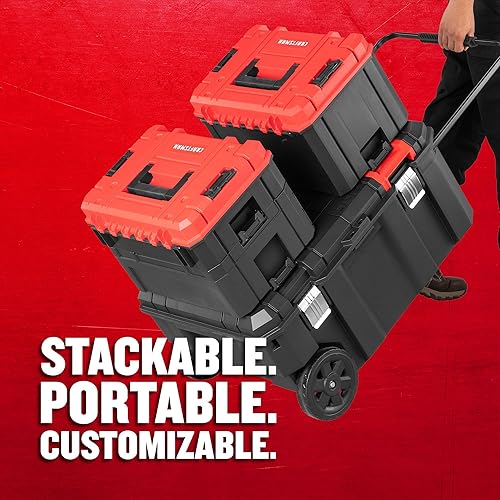
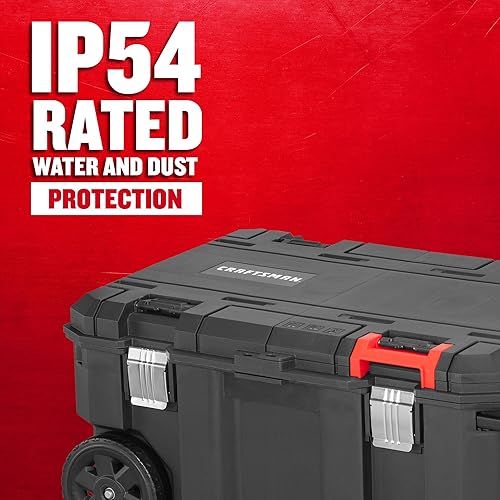
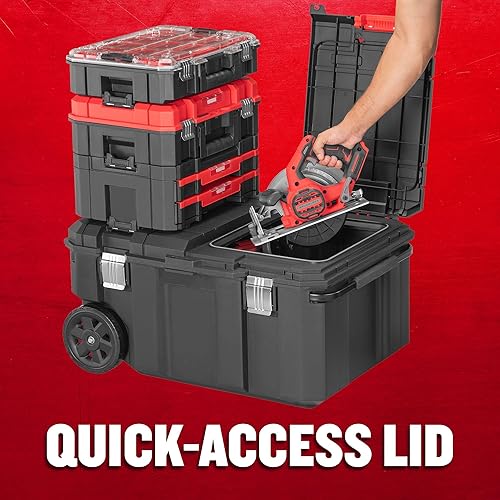
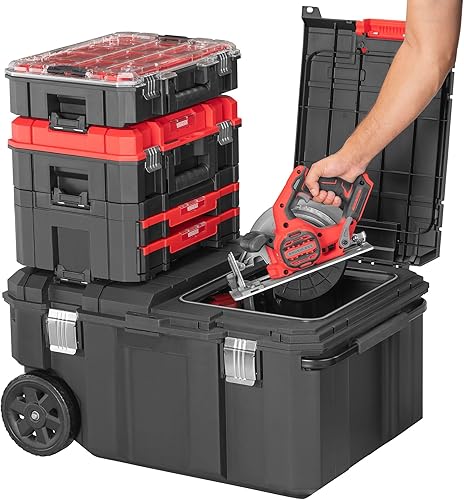
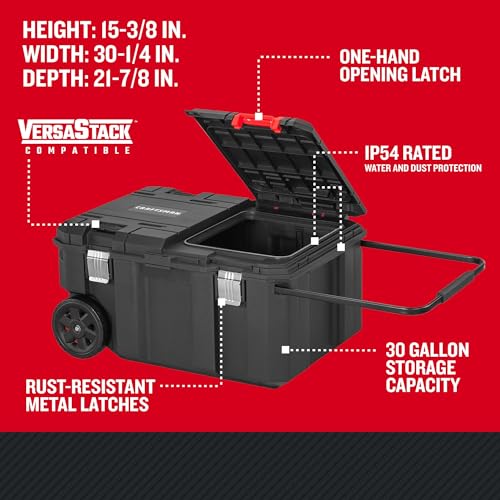
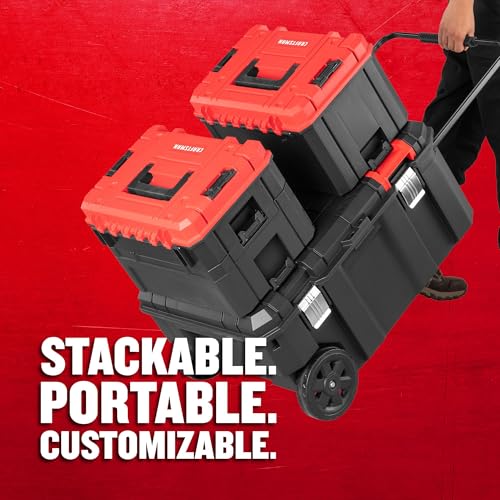
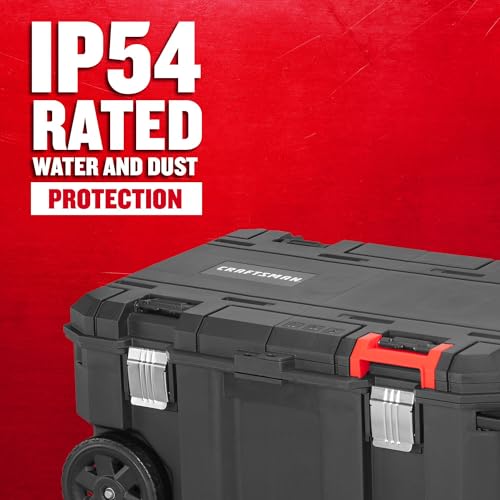
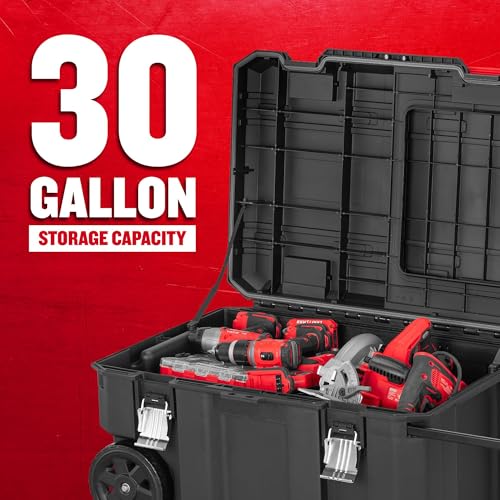
Prime CRAFTSMAN VERSASTACK 30 Gallon Rolling Tool Chest




As an Amazon Associate we earn from qualifying purchases. Product prices and availability are accurate as of the date/time indicated.
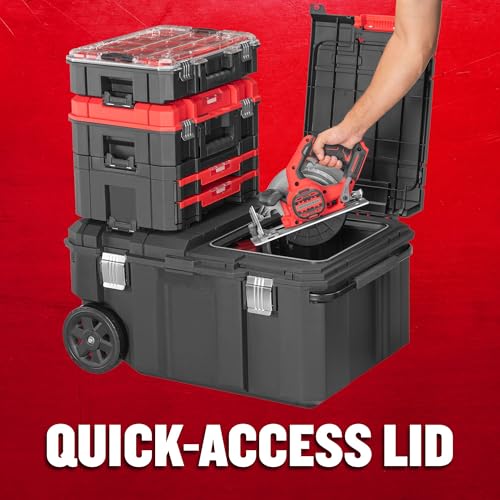
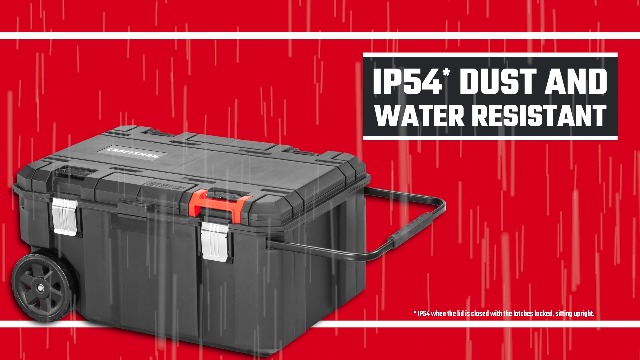
One option to consider is the CRAFTSMAN VERSASTACK 30 Gallon Quick-Access, which uses rust-resistant metal latches and hinges and a quick-access lid design that can make daily opening and closing less prone to snagging when you need to get to tools quickly.
When to Skip This and Call a Professional
This troubleshooting is not ideal for chests with major structural damage, such as a cracked weld, a severely bent steel frame, or a lid that has been forced with a pry bar. If the chest is part of a larger built-in cabinet system that is anchored to the wall or floor, or if the latch is integrated with a locking system you rely on for security, skip this DIY approach and contact the manufacturer or a qualified repair professional for guidance. Do not try to bend heavy steel back into shape or drill new latch holes if you are unsure, as that can weaken the chest further.
Frequently Asked Questions
Why won’t my rolling tool chest lid latch even though nothing looks blocked?
Even a small misalignment can prevent the hook from catching, and it is not always visible. Try closing the lid slowly while watching the latch from the side, and check if the hook is hitting above or below the strike. A slight shift in the chest position or loosening and retightening the latch screws often reveals the offset.
Can I bend the latch back if it looks misaligned?
You can try a gentle adjustment if the latch is a simple exposed hook held with screws, by loosening the screws and repositioning it rather than forcing the metal. If the latch is riveted, welded, or made of brittle plastic, bending it can snap it, so it is better to replace the hardware or consult the manufacturer for a replacement part.
How do I keep my rolling tool chest lid from sticking again?
Keep the top tray organized so nothing sits above the rim, wipe the latch area regularly to prevent dust buildup, and avoid slamming the lid. Periodically check hinge and latch screws for looseness and keep the chest on as level a surface as possible to reduce frame flex.
Browse more picks in our Rolling Tool Chests & Cabinets category, or see our related guide on 5 Craftsman Rolling Chest Alternatives.


Write Your Review
No reviews yet. Be the first to share your experience!