

Quick Answer
If your garage cabinet door won’t close flush, one common cause is a loose hinge or a cabinet that has shifted slightly on the wall so the door and frame no longer line up. Try emptying the shelves, checking that nothing is protruding past the shelf edge, then gently tightening the hinge screws and confirming the cabinet is level from side to side. In many cases a small hinge adjustment and clearing an obstruction is enough to get the door sitting even again without replacing any parts.
Why This Happens
Metal wall cabinets need a square, level box to close evenly. If the wall is uneven or the mounting screws have loosened a little over time, the whole cabinet can rack just enough that the door contacts one corner before the other. You may notice a wider gap at the top than the bottom, or the door rubbing on one side, which is especially noticeable with up-flip doors that need precise alignment to seat correctly.
Hinges and supports take a lot of daily use in a garage. Screws can work loose from vibration and repeated opening, hinges can bend slightly if the door was pulled or leaned on, and the hydraulic rod on an up-flip door can shift and hold the door a fraction open. Even a small amount of play in a hinge will keep the door from pulling tight against the magnetic catch or lock plate, so it never looks flush.
Loading can also flex the cabinet and block the door. When heavy items are pushed to the front of a shelf or bins hang over the edge, they can press against the inside of the door or cause the sides to bow outward slightly. Many people store long tools or totes that stick out just past the shelf, which prevents the door from seating fully even though the cabinet itself is fine. You can see how weight distribution affects enclosed storage in heavy tote garage cabinets.
Finally, the catch itself may be the culprit. Magnetic catches, lock plates, and rubber bumpers can move, collect dust, or get painted over, so they no longer pull the door in evenly. In garages with wide temperature swings, metal can expand and contract a little, and any debris, missing bumper, or slightly bent door edge will keep the seal from sitting flat. For ideas on how different door designs handle alignment, see best metal garage cabinet for basement.
Fixes to Try
- Clear and check for obstructions. Remove items from the shelves, look for anything touching the back of the door, and reorganize so nothing extends past the front edge of the shelf, then try closing the door again.
- Check that the cabinet is level and secure. With the cabinet empty, place a small level on top and on the bottom shelf, confirm it reads even, then snug the wall fasteners into studs or proper anchors without over tightening, following the manufacturer’s anchoring instructions.
- Tighten and adjust the hinges. Gently tighten all hinge screws, then use the slotted adjustment holes to shift the door slightly up, down, or side to side until the gaps around the frame look even, and confirm any up-flip hydraulic rod is seated correctly.
- Align the catch and bumpers. Clean the magnetic catch and strike plate with a dry cloth, loosen and reposition them so they meet squarely, and check that rubber bumpers are present and not compressed on one side.
- Inspect the door and frame for a slight bend. Sight along the door edge and frame for a bow or dent, and if you see a small, gentle warp you can try easing it by hand, but avoid forcing metal that is sharply creased, cracked, or rusted through.
When to Consider Replacing It
If you have tried clearing the shelves, leveling the cabinet, and adjusting hinges and catches and the garage cabinet door still will not close flush, the frame or door may be warped, hinge holes may be stripped, or the catch may be worn beyond adjustment. When metal is creased, corners are rusted, or the door springs open after every tweak, repair often takes more effort than it is worth. If you would rather replace it than keep troubleshooting, one practical option is a wall cabinet designed with an up-flip door and adjustable shelves that is easier to keep aligned. For a broader comparison of enclosed storage options, see letaya metal garage storage cabinets with Lock-72 vs letaya metal storage cabinets locker with lock.
This article contains affiliate links. If you buy through one of our links, TheGarageCrafted may earn a commission at no extra cost to you. Commissions never influence which products we recommend or how we rank them. Read our Affiliate Disclosure for details.
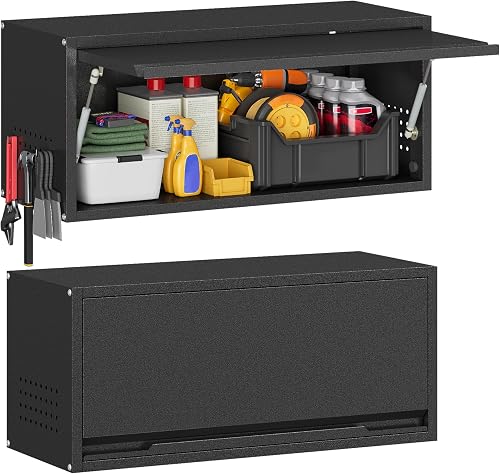
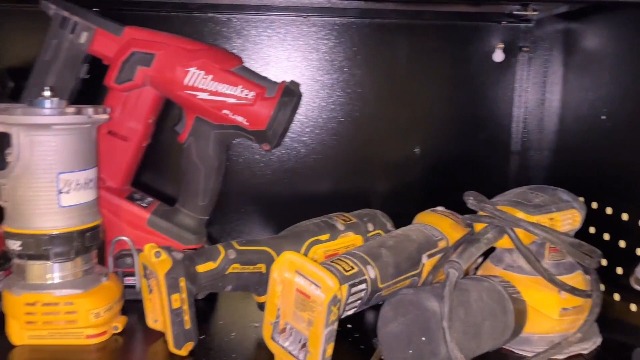
Prime Firstsky 31.5" Wall Mounted Garage Cabinet


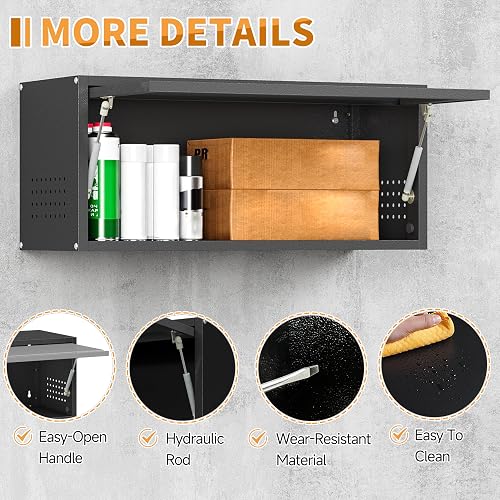

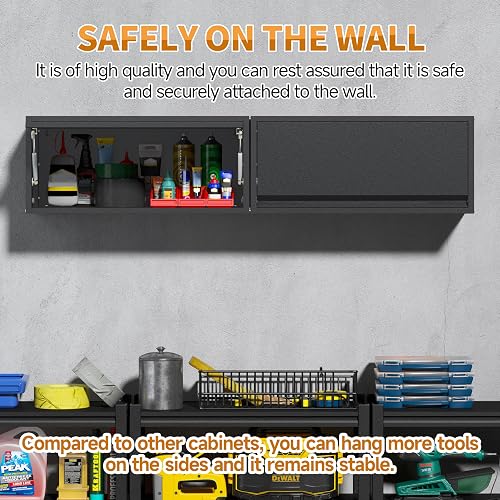


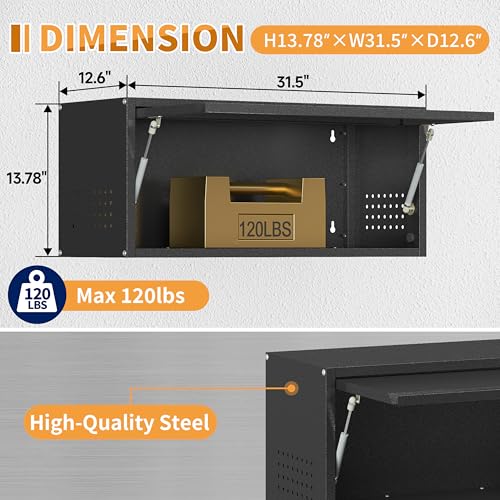
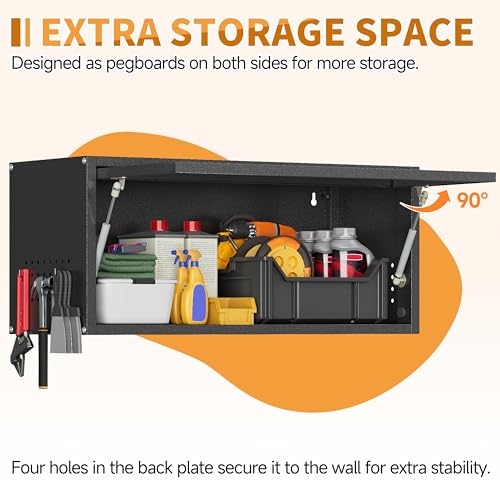
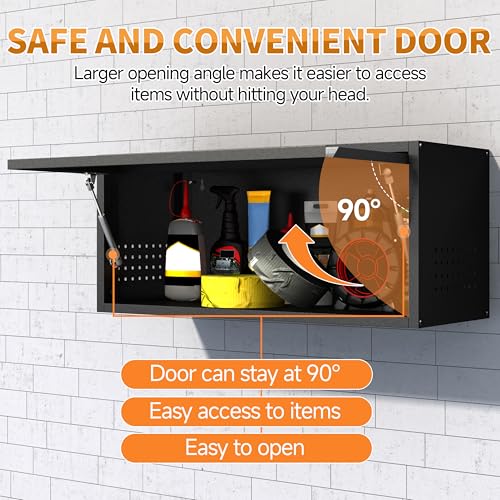
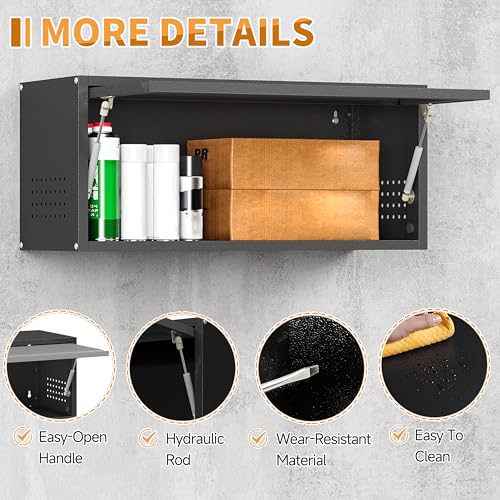
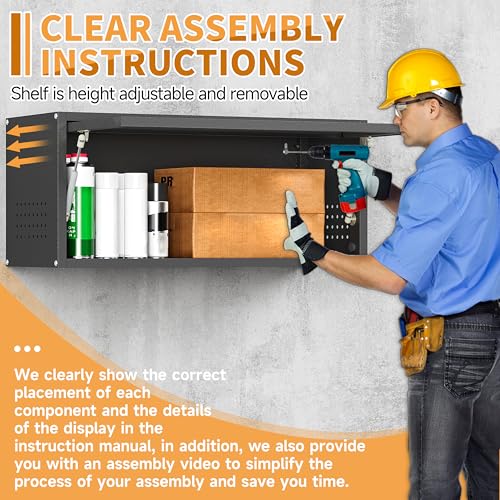
As an Amazon Associate we earn from qualifying purchases. Product prices and availability are accurate as of the date/time indicated.
When to Skip This and Call a Professional
This type of adjustment is not ideal for cabinets that are pulling away from the wall, showing cracked drywall, or holding very heavy loads overhead. If the cabinet feels loose, you see wall damage, the anchors spin without gripping, or you are unsure whether you hit studs or used the correct hardware, skip this DIY fix and follow the manufacturer’s weight capacity and wall anchoring instructions or consult a qualified installer. Wall-mounted storage that is not secured properly can fall, so do not rely on drywall alone, add extra screws in the wrong places, or try to straighten a severely bent frame yourself.
Frequently Asked Questions
Why won’t my garage cabinet door stay closed at all?
One common cause is a misaligned or dirty magnetic catch or lock plate that cannot hold the door. Try cleaning both surfaces, repositioning the catch so it meets squarely, and checking that hinge screws are snug so the door lines up with the frame.
How do I adjust garage cabinet hinges so the door closes flush?
Loosen the hinge screws just enough to allow movement, use the slotted holes to shift the door a little at a time until the gaps look even, then retighten. Make small adjustments and check the fit after each move, rather than forcing a large shift at once, and confirm any hydraulic support is not binding.
Can humidity or temperature make a metal cabinet door not close flush?
Metal does not swell like wood, but temperature changes can cause slight expansion and make an already tight fit rub. More often, moisture leads to dust buildup or light surface corrosion on the catch or hinge that keeps the door from seating fully, so regular cleaning and keeping the cabinet dry helps maintain alignment.
Browse more picks in our Garage Cabinets & Lockers category, or see our related guide on Cabinet vs Locker: Shelves or Hanging?.
Write Your Review
No reviews yet. Be the first to share your experience!