

Quick Answer
If your cabinet lock stuck or won’t turn, the most common cause is a dry, dirty cylinder or a cam that is binding against the frame from an over-tightened retaining nut or a sagging door. Try a dry lock lubricant made for cylinders, gently work the key in and out without forcing it, and relieve pressure on the cam by loosening the mounting nut slightly and realigning the lock body. In many garage cabinets this combination of cleaning, proper lubrication, and alignment frees the lock without needing a replacement.
Why This Happens
Garage cabinets live in dusty environments, and fine sawdust, drywall dust, and metal filings can work into the keyway and cylinder pins over time. When that debris mixes with old lubricant, it forms a gritty paste that makes the key hard to insert or turn, and you may feel the key catch or stick partway. This is especially common on lower cabinets near a workbench or table saw where airborne particles settle quickly.
Moisture and temperature swings also cause trouble, even inside a closed garage. Humidity can lead to light corrosion on the brass or zinc alloy cylinder and on the steel cam at the back, while wood doors can swell slightly in summer and shrink in winter. That swelling or corrosion adds friction and can put the cam in a bind, so the key feels locked solid even though the mechanism itself is not broken. If your cabinets are near an exterior wall or unconditioned space, this effect is more pronounced.
Installation and alignment issues are another frequent culprit. If the retaining nut on the back of a cam lock was tightened too much, it can distort the cylinder housing and pinch the plug so it cannot rotate freely. Using a cam that is too long, bent, or installed at the wrong angle can also cause the tailpiece to wedge against the cabinet frame or shelf, which feels exactly like a seized lock. You can learn more about proper cabinet setup in our guide to best metal garage cabinet for basement where alignment and mounting are covered in detail.
Finally, key-related wear can mimic a stuck lock. A worn, slightly bent, or duplicated key may not lift the pins to the correct height, so the plug will not turn even with the right key blank. Debris on the key itself, a small burr on the edge, or trying a similar but incorrect key for a keyed-alike set can also prevent rotation. Always compare the key you are using to a spare and inspect both the key and the keyway for visible dirt or damage before assuming the lock has failed.
Fixes to Try
- Confirm the key and insertion. Make sure you are using the correct key for that cabinet, inspect it for bends or heavy wear, and try a spare if you have one. Insert the key fully, pull it back a fraction of a millimeter, then try gentle pressure while slightly jiggling up and down, never forcing it with pliers.
- Clean the keyway and lock face. Wipe the exterior clean, use a short burst of compressed air to clear loose dust from the keyway, and clean the key itself with a dry cloth. Avoid pushing cotton swabs or paper deep into the cylinder, which can leave fibers behind.
- Lubricate with a dry lock lubricant only. Use a graphite-based or lock-specific dry lube with the straw to deliver a light spray directly into the keyway, then insert and remove the key several times to distribute it. Avoid wet oils, silicone sprays, or heavy greases in the cylinder, as they attract more dust and can gum up garage cabinet locks over time.
- Relieve pressure on the cylinder and cam. From inside the cabinet, loosen the retaining nut about a quarter turn, straighten the lock body so it sits square to the door, and ensure the cam swings freely without scraping the frame. Retighten the nut until snug, not overtight, and check that the cam screws are secure but not pulling the cam out of alignment.
- Check door and hinge alignment. If the door sags or rubs, the cam may be binding even when the cylinder is fine. Tighten hinge screws, lift the door slightly to see if the lock turns more easily, and confirm the cam clears any lip or striker plate by a small margin. For heavy storage setups, see heavy tote garage cabinets for tips on keeping doors square under load.
When to Consider Replacing It
If the key spins freely without engaging, the plug wobbles loosely in the housing, the cylinder stays frozen after cleaning and proper dry lubrication, or you see heavy corrosion and a bent or cracked cam, repair is often more effort than it is worth. A replacement cam lock kit with multiple cams lets you match door thickness and latch position without modifying the cabinet, which is helpful if the original lock was the wrong size. If you would rather replace it than keep troubleshooting, this type of option is a practical next step.
This article contains affiliate links. If you buy through one of our links, TheGarageCrafted may earn a commission at no extra cost to you. Commissions never influence which products we recommend or how we rank them. Read our Affiliate Disclosure for details.

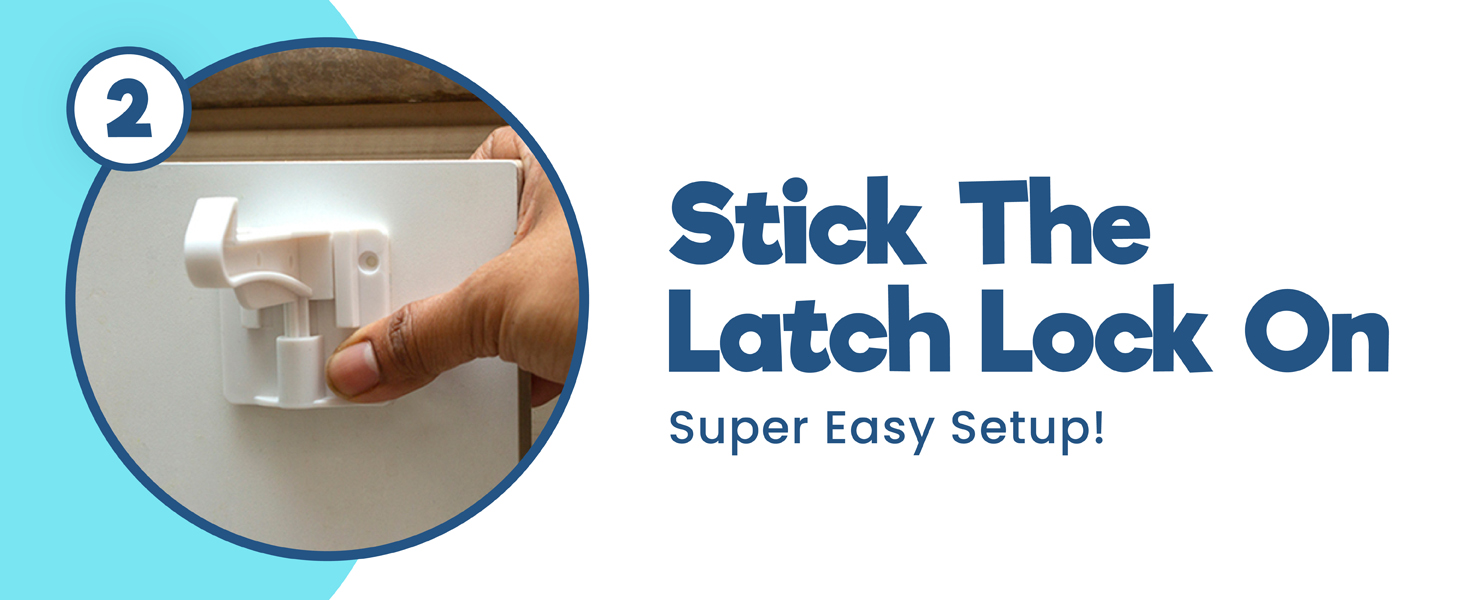
Prime BennyBradleys Invisible Baby Cabinet Locks

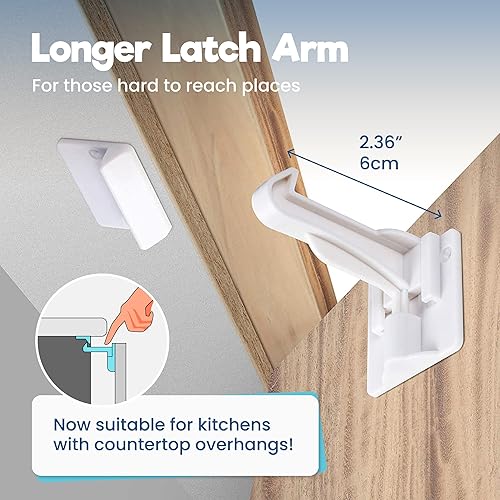
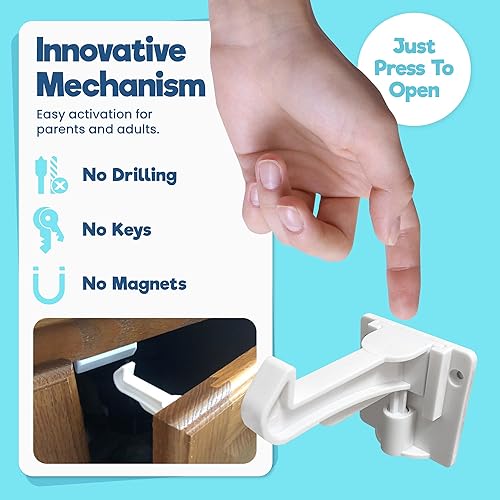
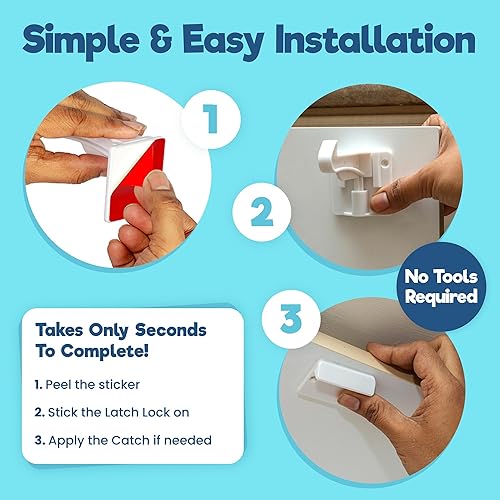









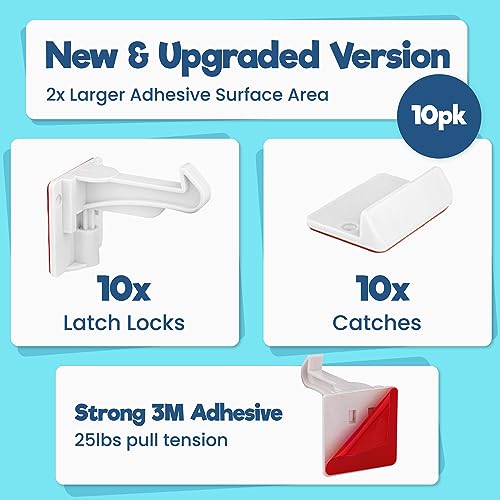
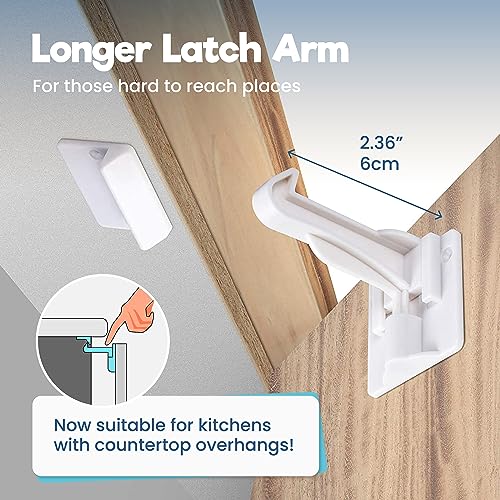
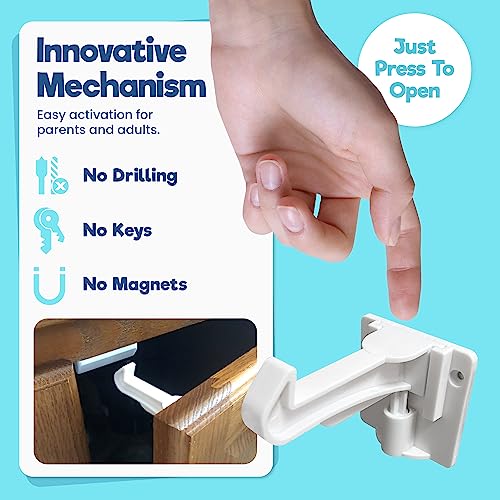
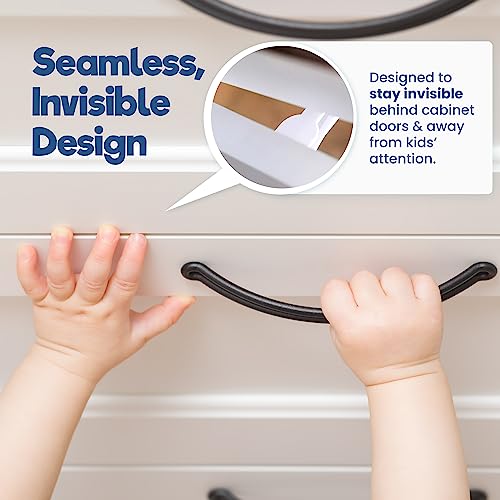
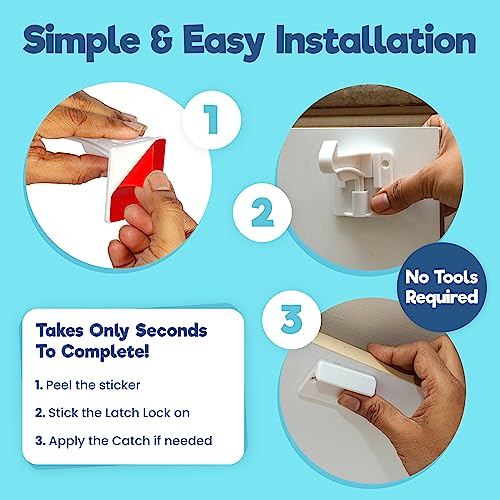
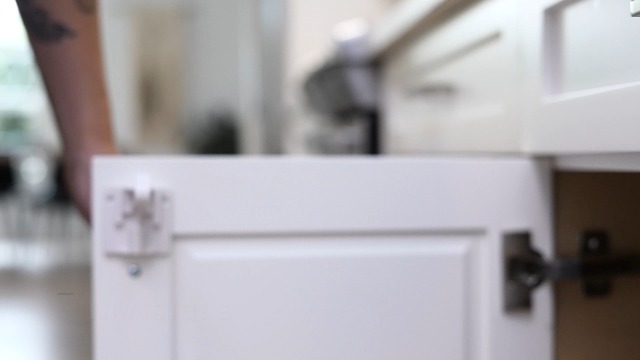
As an Amazon Associate we earn from qualifying purchases. Product prices and availability are accurate as of the date/time indicated.
When to Skip This and Call a Professional
These steps are for simple, low-risk garage storage cabinets only and are not ideal for locks that secure hazardous chemicals, firearms, medications, or important documents where security matters. If the cabinet is part of a fire-rated or commercial storage system, if the lock is integrated with an electronic or alarm system, or if the key has broken off inside the cylinder, skip this DIY approach and contact a locksmith or the cabinet manufacturer. Forcing a high-security lock can damage the door and create a bigger safety issue than a stuck cylinder.
Frequently Asked Questions
Why does my cabinet lock stuck or won’t turn even with the correct key?
The most common reasons in 2026 are a dry or dirty cylinder, a slightly bent or worn key, or a cam that is binding against the frame. Try a spare key, clean and apply dry lock lubricant, and check that the retaining nut is not over-tightened and the cam has clearance to rotate.
Should I use WD-40 or household oil to free a stuck cabinet lock?
It is not recommended for the cylinder itself, because wet oils attract dust and can leave residue that makes the problem return. Use a dry graphite or lock-specific dry lube designed for pin tumblers, which dries clear and does not collect debris. You can wipe a tiny amount of light oil on the cam pivot at the back if needed, but keep it out of the keyway.
How do I know if my garage cabinet lock needs to be replaced?
Consider replacement if the lock remains stuck after cleaning, proper lubrication, and realignment, if the key turns but the cam does not move, or if you see visible rust, a loose plug, or a cracked cam. Also replace it if the key is heavily worn and a freshly cut spare still will not operate smoothly. For broader organization ideas while you are servicing cabinets, explore Garage Cabinets & Lockers for related storage solutions.

Write Your Review
No reviews yet. Be the first to share your experience!