

Quick Answer
If your garage wall hook won’t hold weight, the most common cause is that it is anchored only in drywall without hitting a stud or without the right anchor for your wall type. Drywall alone cannot support shear and leverage from heavy tools, so the hook sags, spins, or pulls out. Try removing the hook, locating a stud or choosing the correct anchor for concrete, block, or drywall, and reinstalling so the base sits tight and flush to the wall.
Why This Happens
The hook itself is rarely the main issue. Most garage walls are drywall over studs, and a single screw in drywall has very little holding power. When you hang a ladder, hose, or power tool, the weight pulls down and away from the wall, which quickly enlarges the hole and loosens the anchor.
Using the wrong anchor makes this worse. Plastic expansion anchors that work for light items can crack or spin in concrete or block, while concrete sleeve anchors are not effective in hollow drywall. An oversized or stripped hole, a screw that is too short, or a hook base that does not sit flat will also let the hook wobble and lose grip over time.
Leverage and load placement matter a lot. A long hook with weight hung at the tip creates more force on the top screw than the same weight hung close to the wall. Overloading, hanging multiple heavy items on one hook, or using a thin J-hook for bulky gear can bend the hook or deform the mounting plate, which is why heavy items often need broader support.
Wall condition plays a role too. Humidity, temperature swings, and repeated use can soften drywall, crumble old mortar, or rust fasteners. If the hook was installed with only the included wood screws in masonry or plasterboard without pre-drilling and proper anchors, it may feel solid at first and then slowly sag as the material around it gives way.
Fixes to Try
- Confirm your wall type and find solid backing. Use a stud finder or probe for wood studs, and check if you have concrete, block, or drywall. For heavy loads, try to anchor at least one point directly into a stud or solid backing rather than drywall alone.
- Remove the hook and inspect the hole. If the anchor spins, the hole is enlarged, or the drywall is crumbly, patch it or move the hook a few inches to a fresh spot. Do not reuse a stripped hole with the same small anchor.
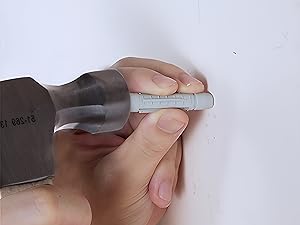
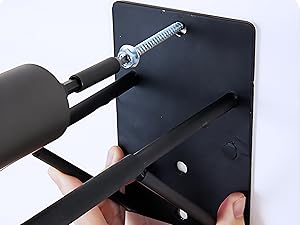
- Reinstall with the correct anchor for your wall. For drywall without a stud, try a toggle or heavy duty hollow wall anchor rated for the load. For concrete or block, pre-drill and try a masonry sleeve anchor. Make sure the hook base is flat against the wall and all screws are snug without overtightening.
- Reduce leverage and distribute weight. Hang the heaviest part of the item as close to the wall as possible, center the load on the hook, and avoid stacking multiple heavy tools on one hook. For bulky gear, consider spreading the load across two hooks or using Heavy Duty Shelving & Racking for items that are not ideal for single point hanging.
- Check the hook and hardware for damage. Look for a bent shank, cracked coating, or loose weld at the support. Tighten all fasteners, confirm the non slip coating is intact, and if you store long handled tools, a dedicated organizer or Garage Cabinets & Lockers may protect both the tools and the wall better than an overloaded hook.
When to Consider Replacing It
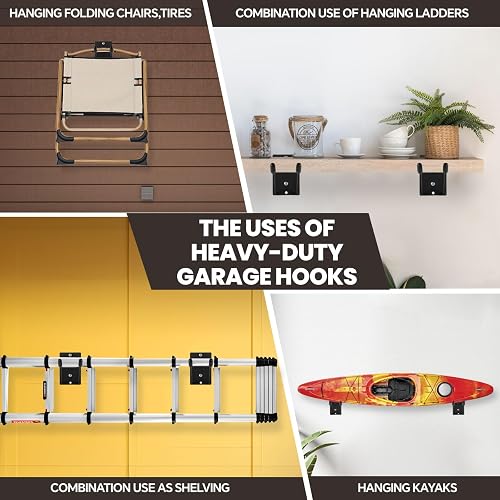
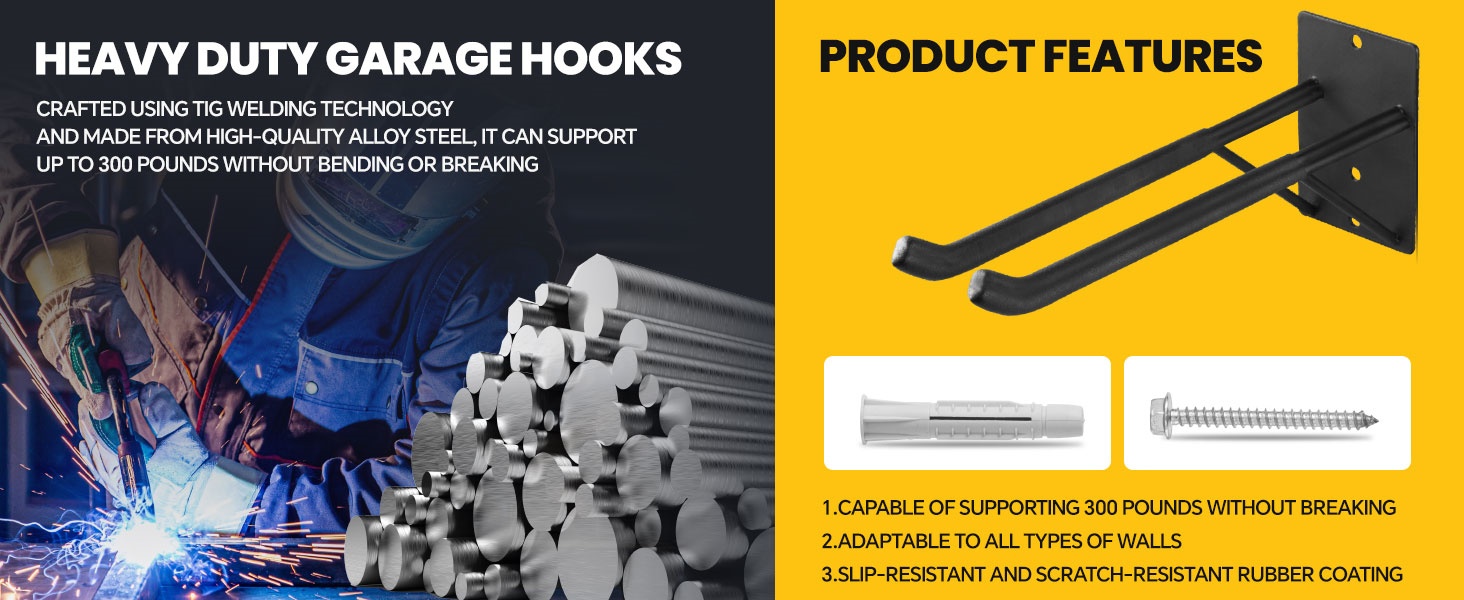
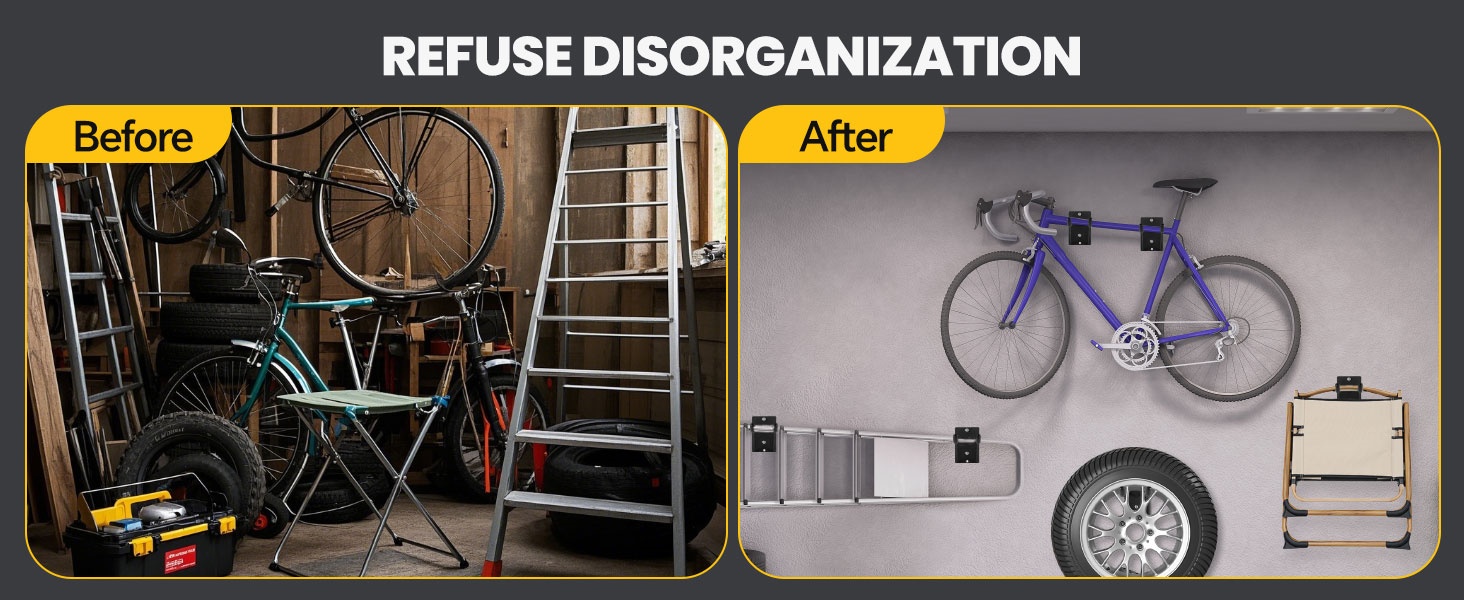
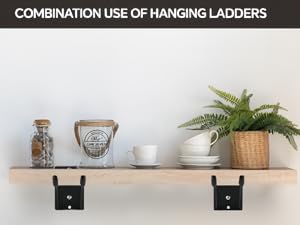
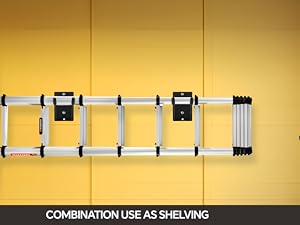
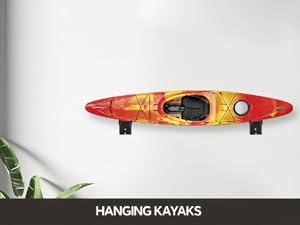
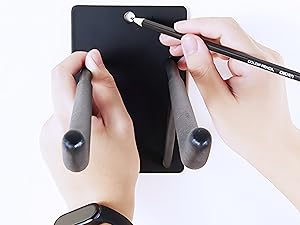
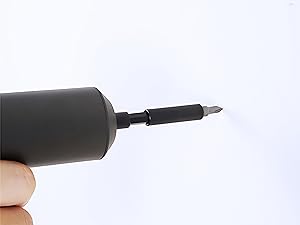
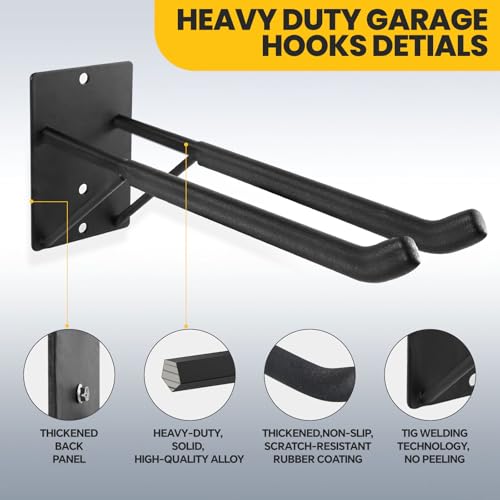
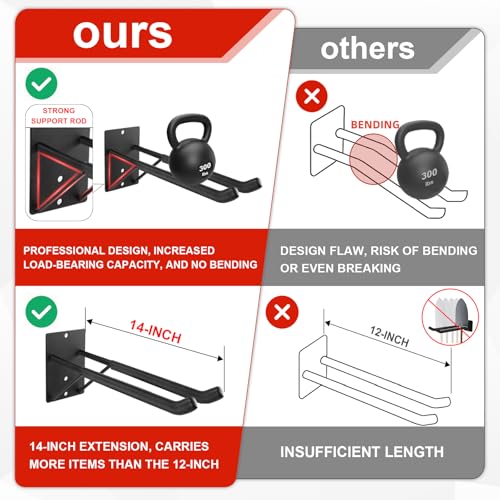
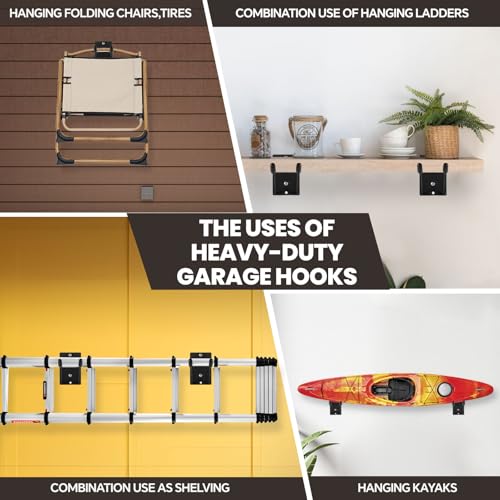
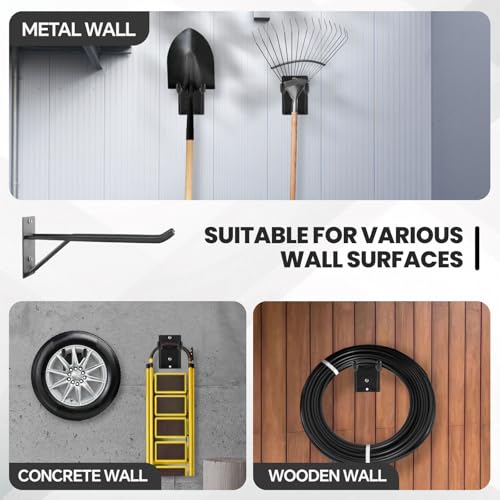
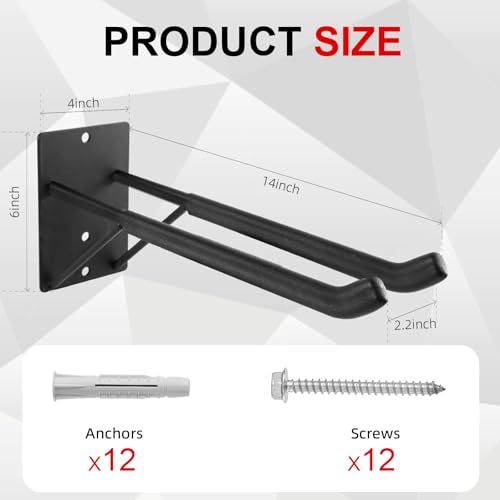
If the hook is bent, the mounting plate is warped, the rubber coating is peeling, or the holes are wallowed out and will not stay tight even with new anchors, repair stops making sense. A hook with added support rods and heavy duty steel construction can handle leverage better and keep long or bulky items from sagging, especially if you are hanging tires, ladders, or garden tools. If you would rather replace it than keep troubleshooting, one practical option in 2026 is the 14″ Large Heavy Duty Garage Hooks with its support rod design and wall mount hardware for solid walls.
This article contains affiliate links. If you buy through one of our links, TheGarageCrafted may earn a commission at no extra cost to you. Commissions never influence which products we recommend or how we rank them. Read our Affiliate Disclosure for details.

Prime FancyEagle 14-Inch Heavy Duty Garage Hooks 4-Pack




As an Amazon Associate we earn from qualifying purchases. Product prices and availability are accurate as of the date/time indicated.
When to Skip This and Call a Professional
DIY re-anchoring is not ideal for walls that are cracked, crumbling, or show signs of moisture damage, or when you need to hang very heavy or overhead loads where a failure could cause injury. This approach is also not a good fit if you are drilling near electrical wiring, plumbing, or structural elements you cannot identify. For those cases, skip this and follow the manufacturer’s weight capacity and anchoring instructions closely, or consult a qualified contractor or handyman to evaluate the wall and install proper backing.
Frequently Asked Questions
Can I hang heavy tools on drywall with just plastic anchors?
Plastic expansion anchors are generally not recommended for heavy tools on drywall alone, as they can pull out under leverage. Try anchoring into a wood stud when possible, or use a toggle style hollow wall anchor that spreads load behind the drywall, and keep the load close to the wall. For very heavy items, heavy tote garage cabinets or floor standing storage may be a safer choice.
Why does my garage wall hook sag even though the screw feels tight?
Sagging often means the top anchor is carrying most of the load and the base is not fully supported. Check if the hook base is flush to the wall, if the top hole is stripped, or if weight is hung far from the wall creating leverage. Try moving the load inward, tightening both fasteners evenly, or reinstalling with a more appropriate anchor for your wall material.
How do I know if I hit a stud?
A stud finder, a small pilot hole, or probing with a finish nail can help you locate solid wood behind drywall. When you drive a wood screw, it should feel firm and resist turning along its full length, not spin freely after a short bite. If you feel only hollow resistance, you are likely in drywall and should try a proper hollow wall anchor instead.
Browse more picks in our Hooks, Holders & Specialty Mounts category.







Write Your Review
No reviews yet. Be the first to share your experience!