

Quick Answer
Garage floor epoxy peeling is almost always a bonding problem, not a problem with the epoxy itself, and the most common cause is moisture or contamination trapped between the coating and the concrete. If your coating is lifting, flaking, or bubbling, stop parking on it, check for dampness and loose edges, and plan to remove the loose material, clean thoroughly, and recoat a small area correctly instead of painting over the peel.
Why This Happens
The main reason epoxy lifts is inadequate surface preparation. Concrete that still has oil, dust, tire residue, or an old sealer will not let epoxy grip, and very smooth or power troweled concrete that was not etched or ground stays too slick for a strong bond. Even a thin invisible film of cleaner residue can create a weak layer that later peels in sheets.
Moisture is the other frequent culprit. Concrete can look dry while still passing water vapor upward, especially in older slabs without a vapor barrier or in garages with poor drainage. That vapor pressure pushes up under the coating, forms bubbles, and then breaks the bond, which is why peeling often starts near walls, cracks, or where water pools. You can learn more about coating issues in garage floor coating yellowing over Time? 5 fixes before you recoat.
Application conditions also matter. Epoxy that is mixed in the wrong ratio, applied too thickly, or applied when the concrete is too cold, too hot, or too humid may not cure evenly. Hot tire pickup is a related stress, where warm tires soften a partially cured or poorly bonded coating and pull it away when you drive off, leaving distinct tire shaped peel marks.
Finally, a missing or thin topcoat can accelerate wear. Decorative flakes or color coats that are not sealed with a clear protective layer are more exposed to chemicals, abrasion, and UV, and they can chip and lift at the edges. For a broader look at coating choices, see 3 alternatives to KILZ garage floor coating for simpler projects to compare system types before you commit to a full recoat.
Fixes to Try
- Contain the damage and ventilate the space. Sweep away loose flakes, block off the peeling section so grit does not spread, open doors and windows for airflow, and wear gloves, eye protection, and a respirator rated for chemical vapors while you work.
- Check for moisture before you recoat. Tape a small sheet of clear plastic tightly to the bare concrete for a day and look for condensation or darkening underneath, and also look for signs of ongoing dampness like efflorescence or a musty odor that suggests vapor is still moving through the slab.
- Remove only what is loose and clean thoroughly. Use a stiff scraper and vacuum to lift peeling edges, feather the surrounding sound coating with light sanding, then degrease with a concrete cleaner and rinse fully so no oily residue or dust remains to weaken the next bond.
- Spot prep and recoat a small area as a trial. Once the concrete is completely dry, lightly etch or abrade the bare spot per the coating manufacturer’s directions, apply a thin, even base coat, broadcast flakes if desired while wet, and allow the coating to cure fully with good ventilation before light use.
- Reduce future stress on the coating. Keep the floor dry, wipe up oil and chemicals quickly, use a mat under parked tires if hot tire pickup was an issue, and avoid washing or covering the new coating until it has had time to harden. If you need a non coating option for damp areas, best garage floor mat for shed offers alternatives that do not rely on adhesion.
When to Consider Replacing It
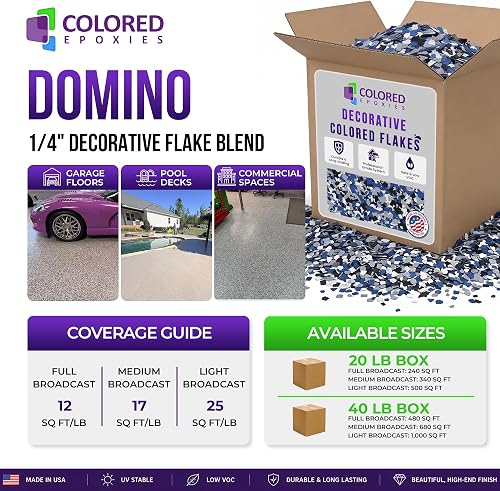
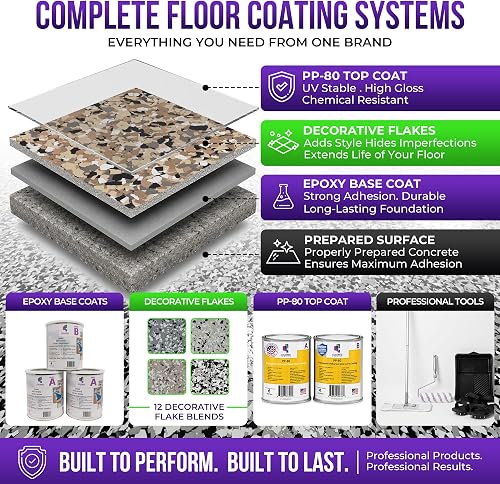
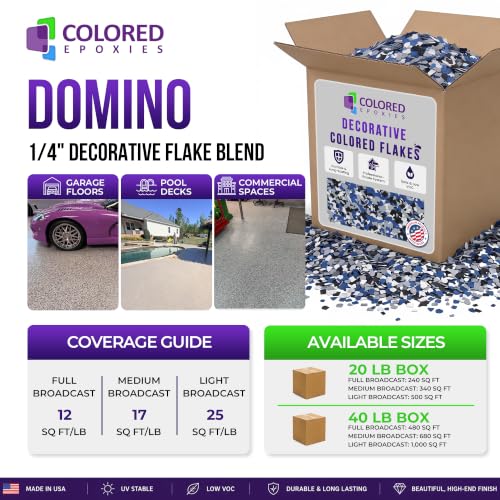
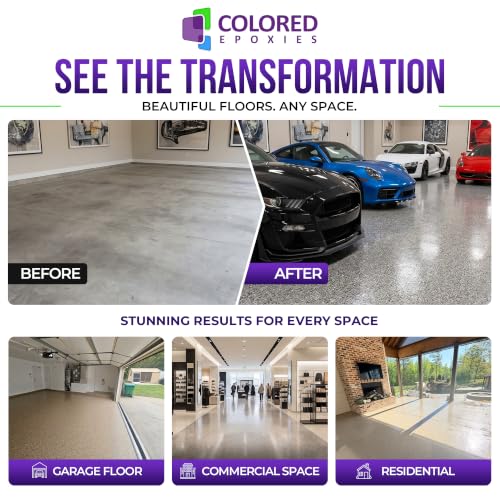
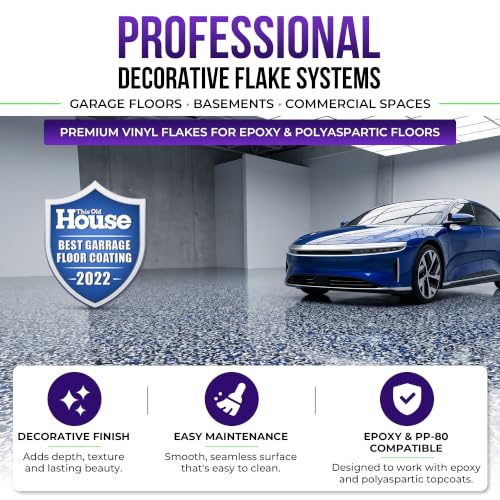
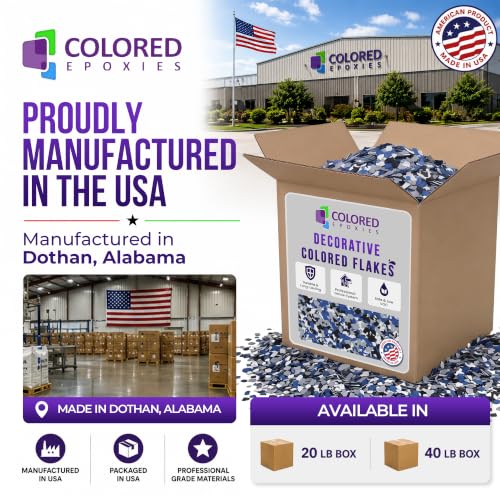
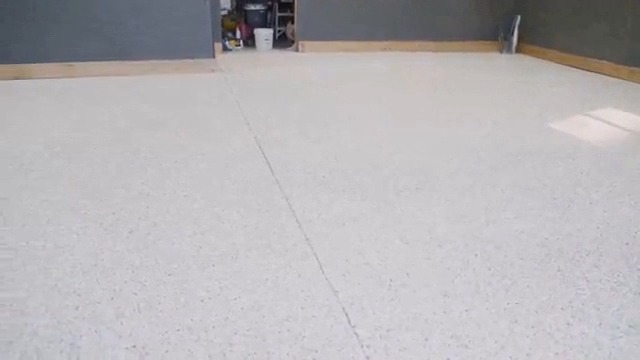
If peeling covers large connected areas, returns quickly after careful spot repairs, or the concrete underneath is soft, crumbling, or heavily stained with oil that will not clean, patching often costs more time than it saves. In that case a full removal and recoat with proper prep and a compatible system may give a more uniform and durable result. If you would rather refresh the decorative layer than keep patching, one practical option is the Colored Epoxies 20 LB Decorative Vinyl Flakes as part of a complete basecoat and clear topcoat system.
This article contains affiliate links. If you buy through one of our links, TheGarageCrafted may earn a commission at no extra cost to you. Commissions never influence which products we recommend or how we rank them. Read our Affiliate Disclosure for details.

Prime ColoredEpoxies Domino 20LB Decorative Vinyl Flakes





As an Amazon Associate we earn from qualifying purchases. Product prices and availability are accurate as of the date/time indicated.
When to Skip This and Call a Professional
This type of DIY spot repair is not ideal for slabs with active water seepage, widespread bubbling, or a strong chemical odor that does not clear with ventilation, and it is not recommended for grinding or recoating a full garage without proper dust control and airflow. Garage floor coatings involve chemicals that require careful handling, so always follow the coating manufacturer’s ventilation instructions, wear appropriate PPE, and consider a licensed contractor for moisture mitigation or full removal if the slab stays damp or the peeling is extensive.
Frequently Asked Questions
Can I just paint over garage floor epoxy that is peeling?
Painting over loose epoxy is not a good fit and usually makes peeling worse because the new layer bonds to flakes that are already detached. Try removing all loose material, cleaning and lightly abrading the edges, and then recoating only well adhered areas so the new coating contacts sound concrete or sound epoxy.
Why is my garage floor epoxy peeling only where my tires sit?
One common cause is hot tire pickup combined with a weak bond from poor prep or incomplete curing. Warm tires can soften the coating slightly and pull it away when you leave, especially if the floor was not fully cured before driving on it or if oil and road film were not fully removed beforehand.
How do I keep new epoxy from peeling next time?
Focus on thorough cleaning, degreasing, and creating a slightly porous profile per the manufacturer’s guidance, then apply in suitable temperature and humidity with good ventilation and allow adequate cure time before heavy use. Keeping the slab as dry as possible, sealing with a compatible clear topcoat, and cleaning spills promptly also helps the finish stay bonded longer.
Browse more picks in our Garage Floor & Safety category, or see our related guide on KILZ Garage Floor Coating Alternatives.



Write Your Review
No reviews yet. Be the first to share your experience!