

Quick Answer
If your epoxy coating not curing properly is still tacky, gummy, or soft after the cure window on the label, the most common cause is an incorrect resin to hardener ratio or incomplete mixing, often made worse by a cold garage or high humidity. Try warming the space to the temperature range listed by the manufacturer, improving ventilation and airflow, and allowing extra cure time before you decide to strip or recoat.
Why This Happens
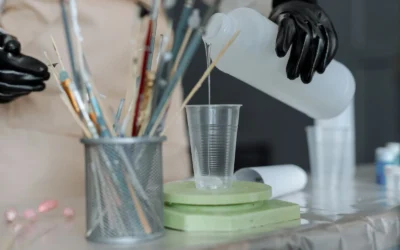
Mix ratio errors are the number one reason a coating stays soft. Many table top and art epoxies use a 1:1 ratio by volume, while many garage floor epoxies use a different ratio, so measuring by eye, using weight instead of volume, or scraping leftover material from the sides into your pour can leave the chemistry unbalanced and unable to harden evenly.
Incomplete mixing is another frequent cause. If you do not stir thoroughly for the full time suggested on the label and scrape the sides and bottom of the mixing container, unmixed resin or hardener can remain. That often shows up as sticky patches or soft spots right next to areas that feel hard, even when the overall ratio was correct.
Temperature and moisture play a major role in how epoxy cures. A cold concrete slab, overnight temperature drops in the garage, or high humidity can slow the reaction dramatically. Damp concrete or condensation on the surface can also interfere with hardening and leave a cloudy or tacky film, which is why most manufacturers call for a dry surface and a specific temperature range during application and cure.
Surface contamination and product condition can prevent a proper cure as well. Oil, tire residue, cleaners, or moisture trapped in the concrete can block adhesion and cure, and resin or hardener that is past its shelf life or was stored in extreme heat or cold may not react as expected. Adding too much pigment, mica powder, or alcohol ink beyond the level the manufacturer allows can also throw off the cure. If you have noticed color changes in older coatings, this guide on garage floor coating yellowing over Time? 5 fixes before you recoat explains how environmental exposure affects epoxy.
Fixes to Try
Work through these steps from least invasive to most involved, and always follow the ventilation and safety instructions on your specific product label. If you are planning a new pour, reviewing 3 alternatives to KILZ garage floor coating for simpler projects can help you compare systems that may be simpler for your space and skill level.
- Check temperature, humidity, and airflow first. Verify the range printed on your label, warm the garage gently with a heater if needed, use a dehumidifier if the air is damp, and provide fresh air ventilation as directed. Do not use open flame heat near curing epoxy.
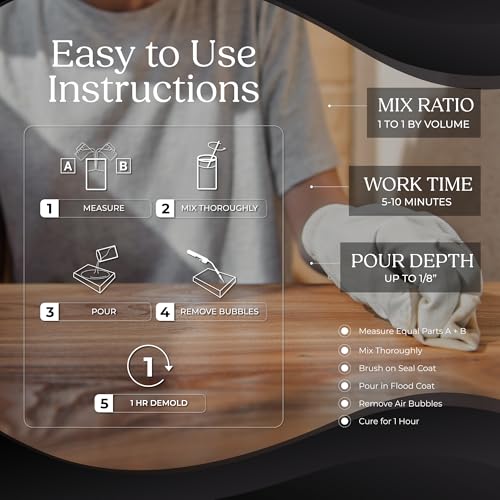
- Confirm your mix ratio and mixing method. For your next batch, measure resin and hardener exactly as the label states by volume, pour both parts into a clean container, and mix thoroughly for the full recommended time while scraping the sides and bottom. Avoid whipping air into the mix, and avoid trying to fix a tacky coat by brushing extra hardener on top.
- If the coating is just slow and uniformly tacky, give it more time under the right conditions. Protect the surface from dust, keep the temperature steady, maintain gentle airflow, and avoid foot traffic or placing objects on it. Many garage floor coatings need at least a full day before light use and longer for full hardness, so patience in a warm, dry space often helps.
- If you have distinct soft, gummy, or uncured patches that do not firm up after an extended period, you will likely need to remove the uncured material. Consult your product label for removal guidance, ventilate well, wear appropriate personal protective equipment, and wipe or scrape away the sticky layer before you sand or recoat. Recoating directly over uncured epoxy usually traps the problem underneath.
- Prep the concrete properly before any recoat. Clean thoroughly to remove oil and dust, ensure the slab is fully dry, and lightly abrade the sound, cured areas as the manufacturer directs to create a profile for adhesion. Then reapply a fresh, accurately measured and thoroughly mixed batch only when the surface and air conditions are within the recommended range.
When to Consider Replacing It
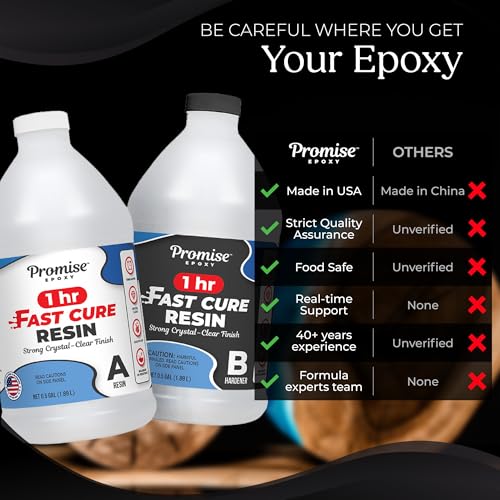
If a large area remains soft or sticky after several extra days in warm, dry, well ventilated conditions, or if you have to scrape away most of the coating, continued patching often costs more time than starting fresh with a new kit. At that point it can be more practical to remove the failed layer and choose a system with clear mixing instructions and a cure schedule that fits your garage conditions. For smaller art, craft, or coating projects where you would rather replace the material than keep troubleshooting a gummy pour, one practical option to evaluate is the Promise Epoxy Fast Cure Resin 32 Oz, and you can also consider a best garage floor mat for shed if you want protection without a chemical coating.
This article contains affiliate links. If you buy through one of our links, TheGarageCrafted may earn a commission at no extra cost to you. Commissions never influence which products we recommend or how we rank them. Read our Affiliate Disclosure for details.

Prime Promise Epoxy Fast Cure Resin 32 Oz Kit






As an Amazon Associate we earn from qualifying purchases. Product prices and availability are accurate as of the date/time indicated.
When to Skip This and Call a Professional
This type of DIY troubleshooting is not ideal for large garage floor areas with strong chemical odors, poor ventilation, or coatings that remain liquid and need extensive removal, and it is not recommended for anyone sensitive to epoxy vapors or dust. Chemical floor coatings require careful handling, so always follow the coating manufacturer’s ventilation instructions, wear the recommended protection, and keep ignition sources away. If the job involves a big square footage, persistent moisture in the slab, or you are unsure about safe removal and disposal, skip this and bring in a qualified flooring professional.
Frequently Asked Questions
Why is my epoxy coating still tacky after 24 hours?
A tacky surface after the initial cure window often points to a mix ratio that was slightly off, mixing that was not thorough enough, or a garage that is too cold or humid. Try confirming the conditions on your label, warming and ventilating the space as directed, and allowing more time before you attempt any recoat.
Can I just apply another coat over epoxy that did not cure?
It is generally not a good idea to coat over soft or gummy epoxy, because the uncured layer underneath can prevent the new coat from hardening and bonding. One common approach is to remove the uncured material, clean and abrade the sound areas per the manufacturer’s guidance, and then apply a fresh, correctly measured batch.
How long should I wait before I assume the epoxy will not cure?
Wait at least the full cure time listed on your product label plus extra time if your garage has been cool or damp, while keeping the space within the recommended temperature range. If the surface is still gummy or leaves residue after that extended period in proper conditions, it is likely a mixing or ratio issue that will need removal rather than more waiting.
Browse more picks in our Garage Floor & Safety category, or see our related guide on KILZ Garage Floor Coating Alternatives.



Write Your Review
No reviews yet. Be the first to share your experience!