

Quick Answer
An epoxy floor turning slippery when wet is almost always due to the smooth, high-gloss finish having little to no texture to break up the water film under your shoes. The fastest practical fix is to thoroughly clean and degrease the surface, then add traction by applying a clear topcoat mixed with an aluminum oxide anti-skid additive to the areas that get wet most often.
Why This Happens
Epoxy is designed to be non-porous and glossy, which is great for chemical resistance and easy cleaning but not ideal for grip when water sits on top. Unlike bare concrete that has natural pores and roughness, cured epoxy creates a continuous film where water can form a thin, slick layer between the coating and your footwear.
Many DIY floors end up extra slippery because no anti-skid additive was mixed into the final coat, or the additive was not mixed evenly and settled to the bottom of the can during application. Over time, even a floor that had some grit can become smoother as foot traffic, tires, and cleaning polish the high spots and wear down the texture.
Contamination makes the problem worse. Tire dressing, oil drips, road film, soap residue, and even fine concrete dust can leave an invisible slick film on epoxy. If you notice the floor is only slippery in certain zones, like where you step out of the car or near the garage door, residue buildup is a common contributor.
Standing water and humidity also play a role. Garages that get rain blown in, snow melt, or condensation in cooler months will stay damp longer on epoxy because the coating does not absorb moisture. Without good drainage, a squeegee routine, or ventilation to dry the surface, any smooth coating will feel more hazardous. For related coating issues, see garage floor coating yellowing over Time? 5 fixes before you recoat.
Fixes to Try
- Deep clean and degrease first. Sweep thoroughly, then scrub with a garage floor cleaner or a mild degreaser, rinse well with clean water, and allow the floor to dry completely. This removes soap film and oily residue that often makes a sound coating feel unexpectedly slick.
- Improve immediate traction while you plan a permanent fix. Place absorbent mats or low-profile rubber-backed traction mats at entry points and where water pools, and keep a squeegee handy to push standing water out after rain or snow melt. This is a temporary measure that helps reduce slip risk without altering the coating.
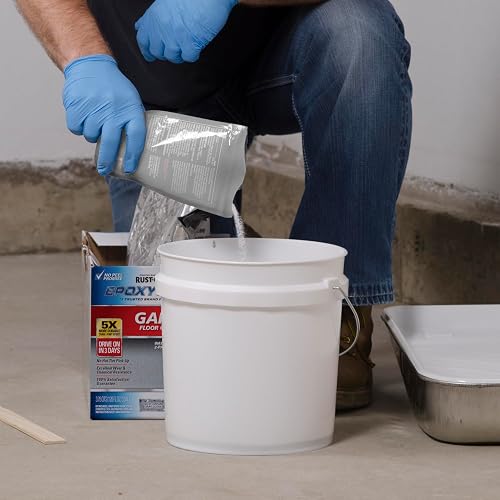
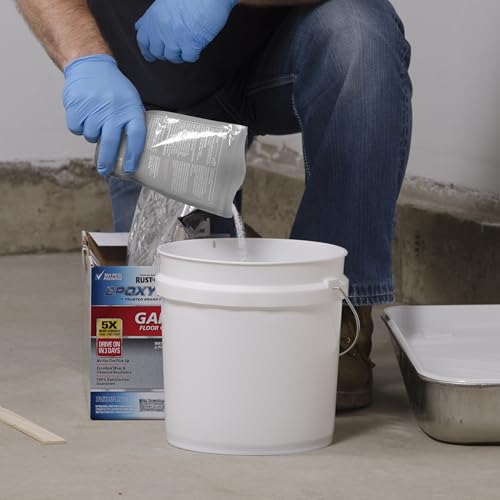
- Add a clear anti-skid topcoat to high-risk areas. Lightly abrade the existing epoxy with a fine sanding screen to give the new coat something to bond to, clean away all dust, then apply a compatible clear epoxy or polyurethane topcoat with an aluminum oxide anti-skid additive stirred in. Mix thoroughly and remix periodically during application so the grit stays evenly suspended, and follow the coating manufacturer’s ventilation instructions and dry time guidance.
- Consider peel-and-stick anti-skid strips or tape for targeted zones if you are not ready to recoat. Apply them to clean, dry epoxy at the garage threshold, steps, or in front of a workbench where wet shoes are common. They add texture quickly and can be replaced as they wear.
- Reduce how long water stays on the floor. Check that the garage door seal and exterior grading are directing water away, improve airflow with a fan or by airing out the garage after wet weather, and wipe up oil or chemical spills promptly so they do not create a slick film. If you are weighing other coating options, you may find 3 alternatives to KILZ garage floor coating for simpler projects helpful for context.
When to Consider Replacing It
If the coating is peeling, bubbling, heavily worn down to bare concrete, or has lost its gloss and color unevenly, adding grit to a failing base layer will not last. In that case a full clean, proper prep, and recoat with built-in texture is often more durable than spot fixes. If you would rather refresh the surface than keep troubleshooting slick spots, one practical option for adding uniform traction to a new final coat is an additive that blends directly into the coating.
This article contains affiliate links. If you buy through one of our links, TheGarageCrafted may earn a commission at no extra cost to you. Commissions never influence which products we recommend or how we rank them. Read our Affiliate Disclosure for details.

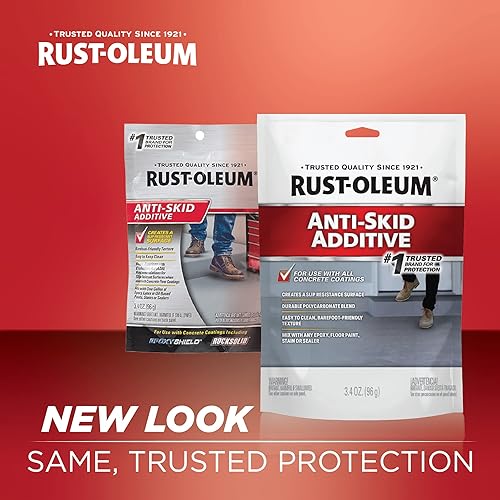
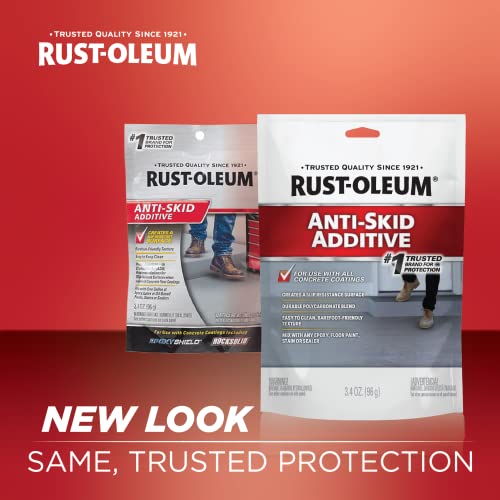
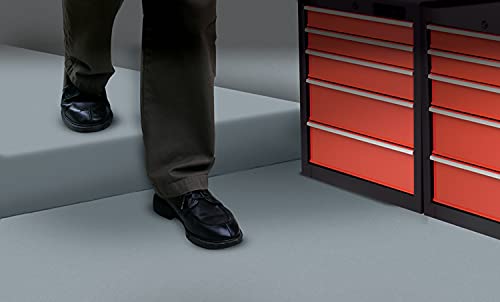
Prime Rust-Oleum Anti-Skid Additive 3.4 oz


As an Amazon Associate we earn from qualifying purchases. Product prices and availability are accurate as of the date/time indicated.
Products like best garage floor mat for shed can also help you add traction in specific work zones while you decide whether a full recoat is worth the effort. Choose a solution that matches how you use the garage, whether you need full-floor grip or just better footing near the entrance and sink area.
When to Skip This and Call a Professional
DIY cleaning and a clear topcoat with additive is not ideal for floors with widespread delamination, moisture vapor transmission that causes bubbling, or chemical damage that has softened the epoxy. This approach is also not recommended for large-scale stripping, grinding, or solvent-based recoating in an enclosed garage without proper ventilation and protective equipment. If the slab shows signs of ongoing water intrusion, if you need to grind or remove a failing coating, or if you are unsure about compatibility between your existing epoxy and a new topcoat, skip this and consult a professional installer and follow the coating manufacturer’s ventilation instructions closely.
Frequently Asked Questions
Why is my epoxy floor more slippery than bare concrete when wet?
Bare concrete has natural texture and pores that help break up a water film, while cured epoxy is a smooth, sealed film designed to resist stains. When water sits on that smooth film, there is less friction underfoot, so you may notice more slip, especially with smooth-soled shoes.
Can I make my existing epoxy floor less slippery without stripping it?
You can often improve grip without stripping by thoroughly cleaning the floor and then applying a compatible clear topcoat that has an anti-skid additive mixed in. Light abrasion to promote adhesion, careful mixing to keep the grit suspended, and following the manufacturer’s application guidance help the new texture bond evenly.
Will adding anti-skid change how my epoxy floor looks?
A quality aluminum oxide additive is designed to blend into the coating without dramatically changing color, but it will add a subtle sandy texture and may slightly reduce high gloss in the areas where it is applied. If appearance is a concern, try the additive in a small, less visible section first to confirm you like the look and feel before coating the entire floor.
Browse more picks in our Garage Floor & Safety category, or see our related guide on KILZ Garage Floor Coating Alternatives.



Write Your Review
No reviews yet. Be the first to share your experience!