

Quick Answer
If your garage floor coating showing hot tire marks leaves dark imprints or lifted patches where your tires sit, the most common cause is heat softening a coating that has not fully hardened, or a thin, low-solids coating that is prone to hot tire pickup. Try giving the floor more time to harden without parking on it, clean the marks gently with a mild cleaner, and reduce heat transfer from hot tires before you consider a full recoat.
Why This Happens
Hot tire pickup happens when warm tires sit on a coating that is still somewhat soft. Tire compounds contain plasticizers that can migrate with heat, and that heat can temporarily soften many coatings, especially water-based or single-part paints. When you park after a drive, the concentrated heat and weight in those four contact patches can leave a clear imprint, and in worse cases pull the coating away from the concrete.
One frequent contributor is insufficient curing or poor surface preparation. Concrete that was not fully cleaned, etched, or dried can prevent a strong bond, so the coating looks fine until hot tires stress it. Moisture trapped in the slab, leftover oil or tire residue, and coating applied in cool or humid conditions can also slow hardening and make marks more likely. You can learn more about common coating discoloration issues in this guide to garage floor coating yellowing over time.
The type of product matters a lot. Many basic garage floor paints are thinner and never achieve the same hardness as a true two-part epoxy or polycuramine system. Those higher-solids, chemically curing coatings are formulated to resist hot tire pickup, chemicals, and abrasion once fully hardened, while lower-solids products may stay softer and mark more easily even after the initial dry time has passed.
Environment plays a role too. A garage that gets direct afternoon sun, has poor ventilation, or holds heat after you pull in will keep both the slab and the tires hotter for longer. If you recently coated the floor and parked on it early, even a quality coating can show marks. For ideas on what holds up better for simpler projects, see these alternatives to KILZ garage floor coating and how they compare for durability.
Fixes to Try
- Extend the cure time and keep vehicles off the coating. Open the garage to improve airflow, follow the manufacturer’s ventilation instructions, and give the coating additional days to harden before parking on it again.
- Clean the marks gently. Try a pH-neutral cleaner or diluted all-purpose cleaner with a soft microfiber or non-abrasive pad, rinse well, and avoid harsh solvents or aggressive scrubbing that can dull the finish.
- Reduce heat transfer from tires. When possible, let tires cool for a bit after a long drive before pulling fully into the garage, and consider using temporary parking mats or clean cardboard under the tires while the coating continues to harden.
- Check whether it is discoloration or lifting. If the marks are only color transfer, cleaning may be enough. If the coating feels soft, tacky, or is peeling at the edges of the tire patches, lightly abrade only the affected area and follow the manufacturer’s spot-repair guidance for recoating.
- Plan better prep for the next full coat. For any future recoat, verify the concrete is clean, fully dry, and properly profiled per the product instructions, and apply within the recommended temperature and humidity range so adhesion is strong from the start.
When to Consider Replacing It
If the marks are not just surface discoloration but the coating is bubbling, cracking, or peeling up with the tire, or if the same spots lift repeatedly after cleaning, repair may not hold and a recoat with a more durable system is often more practical. If you would rather replace it than keep troubleshooting, a higher-solids, self-leveling option designed to resist hot tire pickup and chemicals can be a more resilient base for a garage that sees daily parking. Explore more options in the Garage Floor & Safety category to compare finishes.
This article contains affiliate links. If you buy through one of our links, TheGarageCrafted may earn a commission at no extra cost to you. Commissions never influence which products we recommend or how we rank them. Read our Affiliate Disclosure for details.

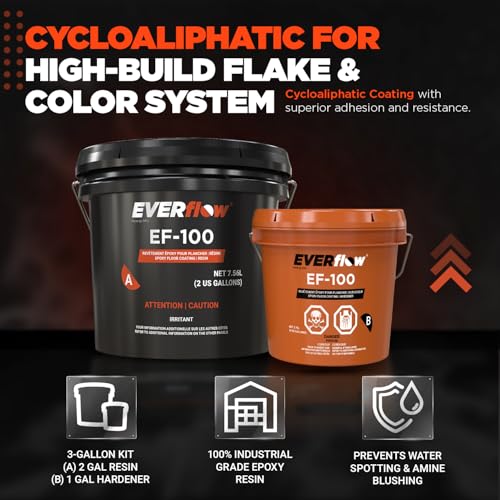
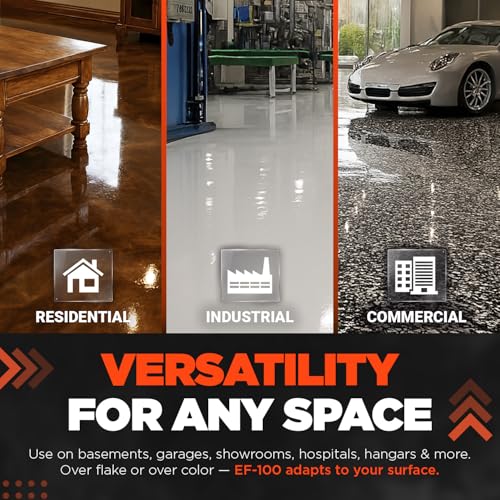
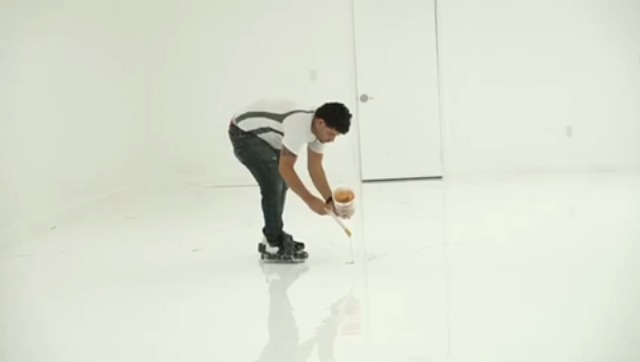
Prime Everflow MPC-100 Clear Epoxy Resin Floor Coating





As an Amazon Associate we earn from qualifying purchases. Product prices and availability are accurate as of the date/time indicated.
When to Skip This and Call a Professional
This type of DIY cleaning and extended curing is not ideal for floors where the coating is peeling across large areas, the concrete is damp or dusty underneath, or there are strong chemical odors and poor ventilation. Garage floor coatings involve chemicals that require careful ventilation, protective equipment, and following the manufacturer’s instructions exactly, so skip this if you notice widespread adhesion failure, moisture issues, or you are unsure about safe recoating. In those cases, not a good fit for DIY, consult a professional installer or the coating manufacturer for guidance.
Frequently Asked Questions
Can I remove hot tire marks without recoating the whole floor?
Sometimes. If the marks are mostly surface transfer or light discoloration with no peeling, gentle cleaning and extra cure time may make them far less visible. If the coating has lifted, chipped, or feels soft at the edges, cleaning alone is unlikely to restore a smooth surface and a spot repair or recoat per manufacturer guidance is usually needed.
Why is my new garage floor coating showing hot tire marks after just a few days?
One common cause is parking on the coating before it has fully hardened. Even when a floor feels dry to the touch and supports foot traffic, it may still need much more time to reach full hardness to resist hot tires. Heat, humidity, and poor prep can also slow hardening and increase marking.
How do I prevent hot tire marks on my next coating?
Try choosing a two-part epoxy or polycuramine system rated for no hot tire pickup, prepare the concrete thoroughly, and follow the manufacturer’s instructions for temperature, humidity, ventilation, and cure time before driving on it. Keeping the garage ventilated, allowing tires to cool slightly before parking, and keeping the slab clean and dry can also help reduce future marks.



Write Your Review
No reviews yet. Be the first to share your experience!