

Quick Answer
If your PVC slatwall panel kit is showing rust, the panels themselves are not rusting. PVC is waterproof and does not rust, so the orange or brown staining is almost always coming from metal screws, hooks, brackets, or accessories sitting in the grooves, or from rust particles washing onto the surface from nearby tools. Clean the metal hardware separately, remove surface stains from the PVC gently, and address moisture and hardware quality to stop it from returning.
Why This Happens
PVC does not contain iron, so it cannot oxidize. When you see rust on a PVC slatwall kit, you are seeing rust transfer or corrosion of a metal component that touches the panel. This often looks like streaks below a hook, a rust ring around a screw head, or discoloration inside the slat grooves where metal dust collects.
The most common source is the fasteners and accessories. Many kits are installed with standard steel screws, and hooks or baskets may have a thin plating that wears through. In a garage with humidity, condensation, or road salt residue, that exposed steel will oxidize and bleed onto the white or gray PVC surface, which makes even a small spot very visible.
Moisture makes the problem worse. Garages often have damp air, temperature swings that cause condensation, and wet tools hung up without drying. Water sits in the horizontal grooves of the slatwall and around screw heads, keeping metal wet longer. If the wall behind the panels traps moisture or the panels were installed without a gap for airflow, that damp environment can accelerate corrosion of the hardware.
Abrasion and incompatible metals can also contribute. Sliding hooks back and forth can scratch through protective coatings, and mixing different metal types in a damp area can speed up corrosion at the contact point. Even tiny metal shavings left from cutting panels or drilling can rust quickly and leave stains if they were not brushed away after installation. For related installation issues, see this guide on slatwall panel screws stripping during install.
In coastal or winter climates, airborne salt can make light surface rust appear faster than you expect. Even if your garage looks dry, salt residue on tools, bikes, or vehicles can transfer to hooks and then to the panel grooves after a damp night.
Fixes to Try
Try these steps in order, starting with the least abrasive approach to protect the PVC finish.
- Identify the true source. Look closely at each screw head, hook base, and shelf bracket for rust. Wipe the PVC with a damp cloth first to see if the stain lifts off the plastic, which confirms it is surface transfer rather than panel damage.
- Dry and isolate the area. Remove the rusted hook or accessory, dry the groove completely with a soft cloth, and improve ventilation. Try running a fan or dehumidifier and avoid hanging wet tools directly on the slatwall until they are dry.
- Clean the PVC gently. Use warm water with a small amount of mild dish soap and a soft microfiber cloth or non-abrasive sponge. For stubborn surface discoloration, try a paste of baking soda and water applied lightly, then rinse thoroughly and dry. Avoid steel wool, wire brushes, or harsh solvents that can scratch PVC and make future staining worse.
- Treat or replace the metal hardware. Light surface rust on a hook can often be cleaned with a nylon brush and then protected with a rust-inhibiting spray rated for indoor use. If a screw head is heavily corroded or pitted, replacing it with a stainless steel or coated exterior-grade screw is often more reliable than trying to restore it.
- Prevent recurrence with better hardware and airflow. Consider stainless steel or corrosion-resistant coated hooks and fasteners, add small rubber or plastic washers under screw heads to limit metal-to-PVC contact, and leave a little space behind panels where possible for air movement. If you are planning a new layout for 2026, this overview of slatwall panels for low ceilings shows how profile and placement affect ventilation and access.
When to Consider Replacing It
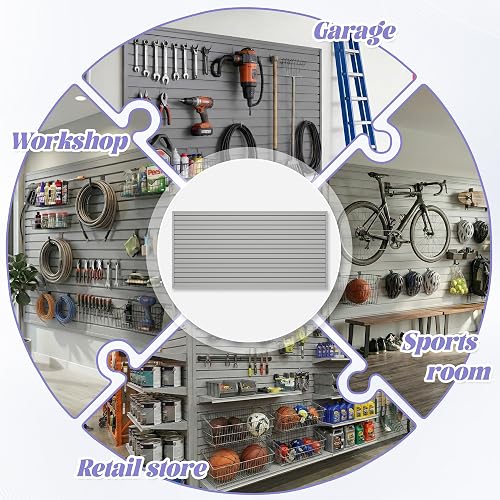
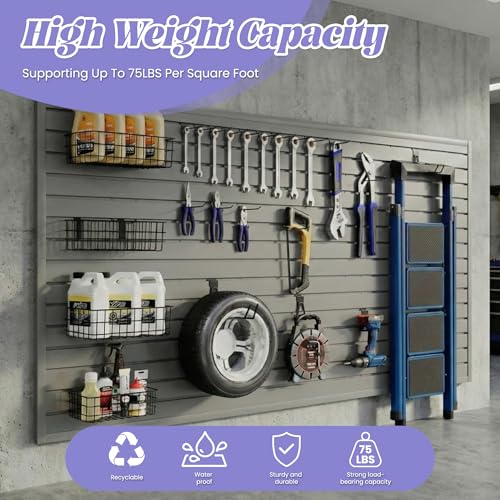
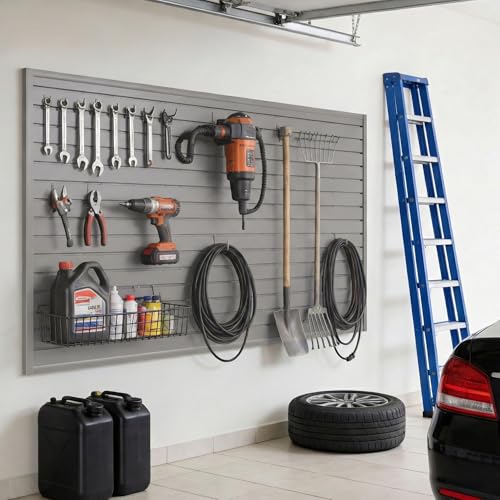
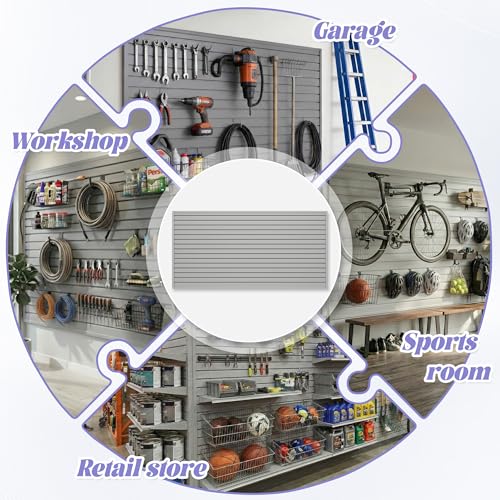
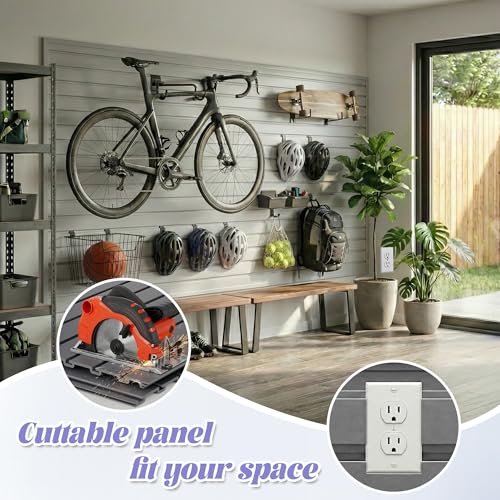
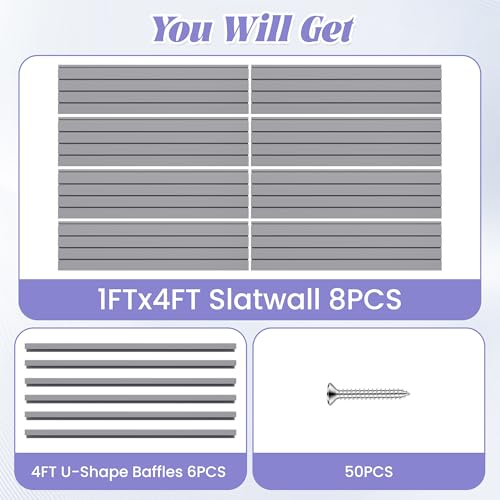
If stains keep returning after cleaning, if screw heads are crumbling, hooks no longer sit securely in the grooves, or the grooves themselves are cracked or deformed from overtightening, further cleaning will not solve the underlying issue. At that point, replacing corroded hardware or a damaged section is often more practical than repeated spot cleaning. Look for panels that are easy to cut to size and that interlock securely so you do not need to overtighten fasteners, which can expose bare metal. If you would rather replace the system than keep troubleshooting hardware, one PVC option to evaluate is the SMARTSTANDARD Heavy Duty PVC Slatwall Panels 4×8, which is made from waterproof PVC that resists moisture and is designed to work with most standard slatwall accessories so you can choose corrosion-resistant hooks from the start.
This article contains affiliate links. If you buy through one of our links, TheGarageCrafted may earn a commission at no extra cost to you. Commissions never influence which products we recommend or how we rank them. Read our Affiliate Disclosure for details.

SMARTSTANDARD 4x8ft Heavy Duty PVC Slatwall Panels




As an Amazon Associate we earn from qualifying purchases. Product prices and availability are accurate as of the date/time indicated.
When to Skip This and Call a Professional
This cleaning approach is not ideal for situations involving spreading rust from structural wall components, electrical fixtures mounted near the slatwall, or signs of water intrusion behind the panels such as bubbling paint, musty odor, or mold. If rust appears to be coming from wall anchors inside drywall, from plumbing nearby, or if you need to move wiring or outlets to reinstall panels safely, skip this DIY cleaning and contact a qualified contractor or licensed electrician. Also check the manufacturer’s guidance for load limits and wall anchoring before rehanging heavy items.
Frequently Asked Questions
Can PVC slatwall panels rust?
No, PVC itself does not rust because it contains no metal. Any rust you see is from screws, hooks, brackets, or debris resting on the panels. Focus your attention on the metal components and moisture control, not the PVC material itself.
How do I remove rust stains from PVC slatwall without damaging it?
Try gentle cleaning first with warm soapy water and a soft cloth, then rinse and dry completely. For light residual staining, a mild baking soda paste applied with a soft sponge can help lift discoloration without scratching. Avoid abrasive pads, bleach, or power washing, which can dull the finish and make the surface more likely to hold stains.
How can I stop my slatwall hooks from rusting again?
Choose hooks and screws labeled as stainless steel or corrosion-resistant, dry tools before hanging, and keep the garage ventilated to reduce condensation. Try adding plastic inserts or washers where metal contacts the panel and wipe down grooves periodically to remove moisture and dust. If your current setup traps humidity, you may also want to review alternatives to NewAge slatwall panels for small spaces for layouts that improve airflow.
Browse more picks in our Slatwall System category, or see our related guide on NewAge Slatwall Alternatives.
Write Your Review
No reviews yet. Be the first to share your experience!