

Quick Answer
When slatwall panel screws stripping during install keeps happening, the most common cause is driving too fast with too much torque or using a loose fitting Phillips bit that cams out. Try turning your drill clutch down to a low setting, using a fresh bit that seats fully in the screw head, and driving at slow speed with steady pressure, and you will prevent most stripping without changing anything else.
Why This Happens
Slatwall panels are often made from MDF, PVC, or medium density fiberboard with a thin laminate, which does not hold threads as strongly as solid wood. If you drive a screw too quickly, the threads can chew out the soft core and spin freely, especially near the slat edges where there is less material to grip.
Using the wrong driver bit is another frequent culprit. A worn Phillips #2 bit or a #2 bit in a #1 screw head will slip under load, rounding out the recess so the screw head strips before it is snug. Many kits include a matching bit for a reason, and swapping to that fresh bit often solves the problem immediately.
Missing the stud or hitting a weak anchor point also leads to stripping. If you are driving into drywall alone, or into a pilot hole that is too large, there is nothing solid for the threads to bite. The screw feels tight for a second, then pops and spins, which is a sign the substrate is not giving enough resistance. For related wall storage ideas that rely on solid anchoring, see Best Slatwall Hooks for Basement Storage in 2026: 1 Picks.
High drill speed and heavy pressure make everything worse. Keeping the trigger fully pulled while pushing hard generates heat and friction that softens MDF and wallows out the hole. Slatwall installs need slow, controlled driving so the screw can cut clean threads without wallowing, similar to how you would approach Best Metal Pegboard for Workshop: 10 Strong Picks for 2026 where alignment and bite matter more than brute force.
Fixes to Try
- Lower your drill clutch and speed. Set the clutch to a low to medium number, switch to the low speed gear, and drive slowly with light, steady forward pressure so the screw seats without overdriving.
- Check the bit fit and replace it if worn. Use the exact bit type and size for the screw head, make sure it seats fully with no wobble, and replace any bit with rounded edges or visible wear.
- Confirm you are hitting solid backing. Locate studs with a stud finder or use the manufacturer recommended wall anchors for drywall and concrete, and avoid driving into empty drywall where screws will spin and strip.
- Adjust pilot holes. If you pre-drilled, try a slightly smaller pilot bit next time so threads have more material to grip, and if you did not pre-drill in hardwood or concrete, add a proper pilot hole to reduce resistance and cam-out.
- Stop and back out at the first sign of slipping. If the bit starts to cam out or the screw squeaks and spins, release the trigger, reverse slowly, inspect the head, and start a new screw rather than trying to power through and rounding it completely.
When to Consider Replacing It
If heads are already rounded, threads are chewed, or screws spin without tightening even after you adjust technique and backing, repair is often more work than it is worth. At that point it is usually faster to replace the stripped fasteners with a fresh assortment that matches your material, so you can choose the right length and head style for wood, plastic, or light metal. If you would rather replace than keep troubleshooting, one practical option is the Best Power Tool Organizer for Concrete Wall: 10 Strong Picks for 2026 approach of matching hardware to wall type, and a versatile assortment can help.
This article contains affiliate links. If you buy through one of our links, TheGarageCrafted may earn a commission at no extra cost to you. Commissions never influence which products we recommend or how we rank them. Read our Affiliate Disclosure for details.
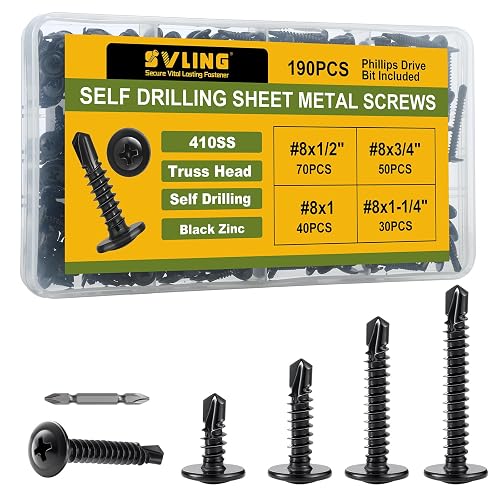
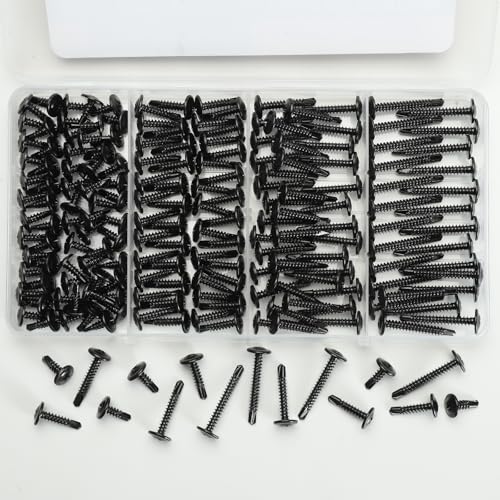
Prime SVLING 190PCS Black Self Tapping Screws Kit #8


As an Amazon Associate we earn from qualifying purchases. Product prices and availability are accurate as of the date/time indicated.
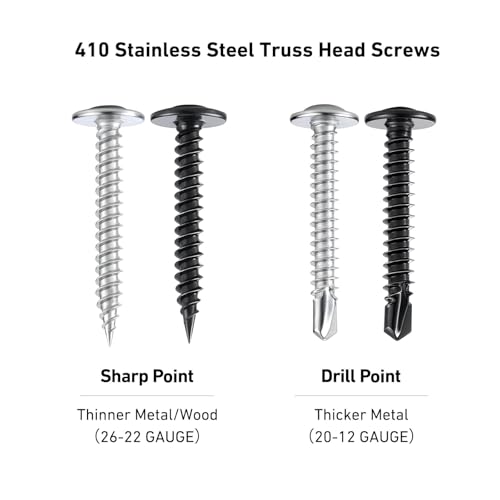
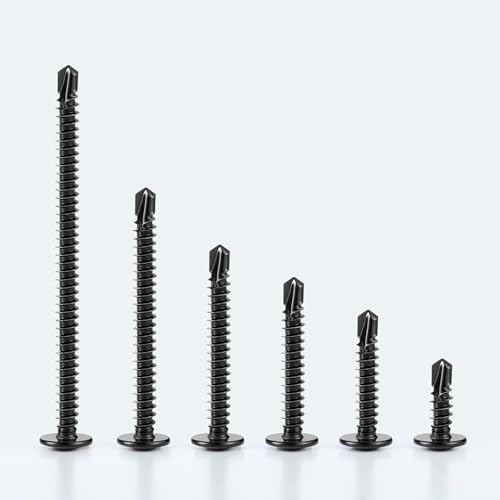
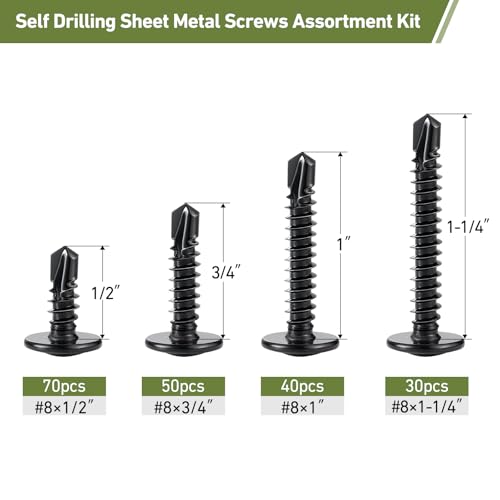
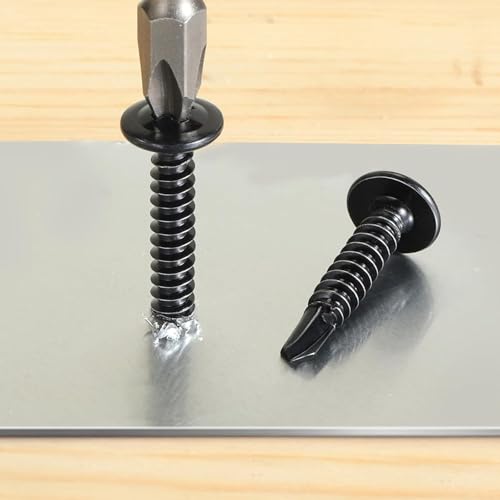
The Black Self Tapping Screws Assortment Kit 190PCS includes multiple lengths with a modified truss head that spreads pressure and a sharp drill point for more controlled penetration, which can be helpful when your original screws were too short, too narrow, or had shallow heads that stripped easily.
When to Skip This and Call a Professional
This general troubleshooting is not ideal for situations where slatwall is holding heavy or overhead loads, where you are drilling into concrete, block, or electrical walls, or where repeated stripping suggests the wall itself is damaged or crumbling. If you see cracked drywall, loose panels that will not stay mounted, or you need to add blocking behind the wall, skip this DIY fix and have a qualified installer or contractor assess the backing and anchoring.
Frequently Asked Questions
Why do my slatwall screws keep stripping even with a new drill?
A new drill often defaults to high torque and high speed, which will strip soft slatwall material quickly. Try lowering the clutch, using low speed, and making sure your bit is new and fully seated, and check that you are driving into a stud or proper anchor rather than drywall alone.
Should I use pilot holes for slatwall panels?
It depends on the wall and panel material. For soft MDF slatwall into studs, you can often drive without a pilot hole at slow speed, but for hardwood, concrete, or metal studs a small pilot hole helps the screw cut cleanly and reduces the chance of cam-out and stripping.
How do I remove a slatwall screw that is already stripped?
Try placing a wide rubber band between the bit and screw head for extra grip, or switch to a slightly larger bit that still fits snugly. If the head is fully rounded, use pliers on an exposed head or a screw extractor made for that head type, then replace it with a new screw driven at lower torque.
Browse more picks in our Slatwall System category, or see our related guide on Best Slatwall Hooks for Basement Storage in 2026: 10 Picks.



Write Your Review
No reviews yet. Be the first to share your experience!