

Quick Answer
If your slatwall storage panel is rusting, the panel itself is rarely the source. Most modern PVC slatwall is waterproof and rust proof, so the rust is almost always coming from the mounting screws, metal hooks, brackets, or the aluminum inserts in older MDF or metal slatwall. Clean the rust off the hardware, treat or replace any pitted fasteners, and reduce moisture in the area to keep it from coming back.
Why This Happens
True PVC slatwall does not rust because it is plastic. If you see orange or brown staining, check the metal parts first. Screws, anchors, hooks, and the lip inside the slat are the usual culprits, especially if they are plain steel without a protective coating.
Garage humidity is a major driver. Concrete floors release moisture, cars bring in rain and snow, and poor ventilation traps damp air against the wall. That constant dampness lets bare metal oxidize, and the rust can bleed onto the panel surface and make it look like the panel is failing.
Cheap or damaged hardware rusts faster. If the zinc or powder coating on a hook or screw gets scratched during install, the exposed steel underneath will start to corrode. This is common around the screw heads and where hooks slide in and out of the slat, which wears the finish over time.
Chemicals and salt make it worse. Road salt, fertilizer, pool chemicals, and even salty coastal air accelerate corrosion on metal accessories. If you store those items near the slatwall or hang wet tools without drying them, you may see rust spots appear much sooner.
Older slatwall materials are more vulnerable. MDF based slatwall can swell and expose its internal staples or aluminum rails to moisture, while thin metal slatwall can rust if its paint chips. If you are seeing bubbling, flaking, or soft spots behind the rust, the underlying board may be holding moisture. For more on material differences, see 7 alternatives to NewAge slatwall panels for small spaces.
Fixes to Try
Start with the gentlest approach and work up. Always wear gloves and eye protection when you work with rust and cleaners, and try any cleaner in a hidden spot first.
- Identify the true source. Wipe the panel with a dry cloth and look closely at screw heads, hook bases, and the inside of each slat groove. If the PVC itself is clean but the hardware is orange or pitted, you can focus on the metal instead of the whole wall.
- Remove surface rust from hardware. Take hooks and accessories off the wall, scrub light rust with a nylon brush or non scratch pad, and use a rust remover formulated for household hardware if needed. Rinse, dry completely, and let the pieces air dry before you rehang anything.
- Treat and protect the metal. For screws that are still solid, you can lightly sand the rust, apply a rust converter or primer made for metal, and touch up with rust resistant paint. Replace any screws that are deeply pitted, stripped, or crumbling, and consider stainless or coated replacements. If screws are stripping as you remove them, these fixes for slatwall panel screws stripping during install can help you get them out without damaging the panel.
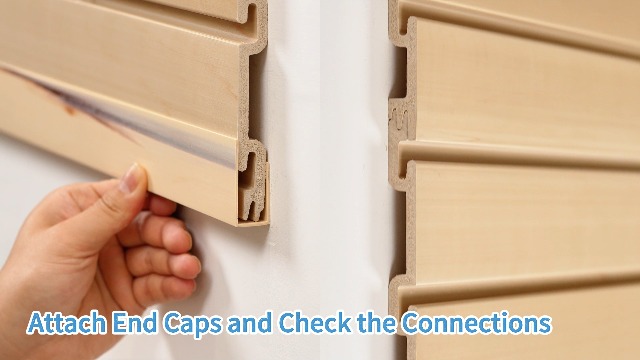
- Clean the PVC panel itself. Wash the panel with warm water and mild dish soap, then rinse and dry thoroughly. Avoid abrasive pads or harsh solvents that can dull the finish. Once dry, check that the interlocking edges and sealing strips are seated correctly so moisture cannot sit behind the panels.
- Control moisture going forward. Improve airflow with a fan or by cracking the garage door after wet weather, use a dehumidifier if humidity stays high, and avoid hanging wet tools directly on the wall. Store chemicals and salt in sealed bins away from the slatwall, and wipe hooks dry after use. Choosing coated or stainless hooks rated for garage use, like those in best slatwall hooks for heavy totes, can also slow future corrosion.
If the rust keeps returning in the same spot after cleaning, look for a slow leak, condensation line, or unsealed concrete behind that section. Addressing the moisture source is often more effective than repeatedly cleaning the surface.
When to Consider Replacing It
Cleaning and treating hardware makes sense when the rust is light and the panel is still solid. If the board is swelling, delaminating, flaking heavily, or the grooves no longer hold hooks securely because the metal insert has corroded away, repair will not last. The same is true if most of your screws and hooks are deeply pitted across a large area.
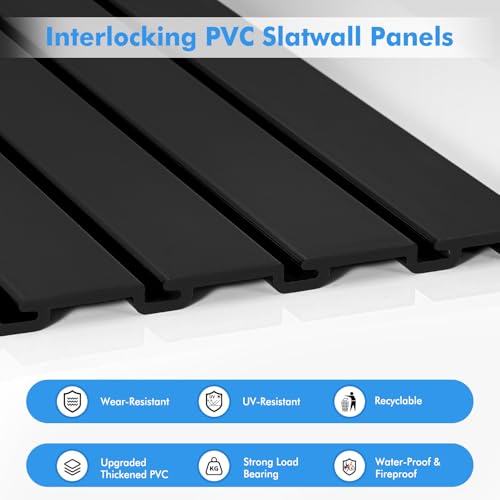
If you would rather replace it than keep troubleshooting, switching to a rust proof PVC system removes the main material that can corrode. PVC panels are waterproof, resist fading and cracking, and work with standard slatwall accessories while avoiding the rust issues of MDF or bare metal boards.
This article contains affiliate links. If you buy through one of our links, TheGarageCrafted may earn a commission at no extra cost to you. Commissions never influence which products we recommend or how we rank them. Read our Affiliate Disclosure for details.

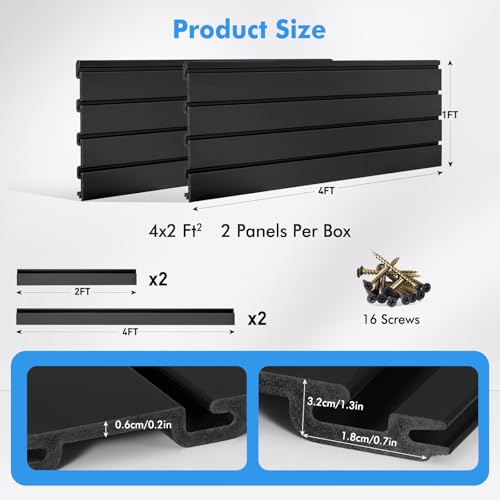
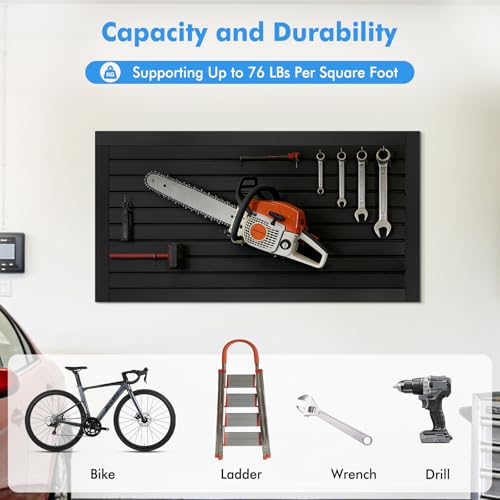
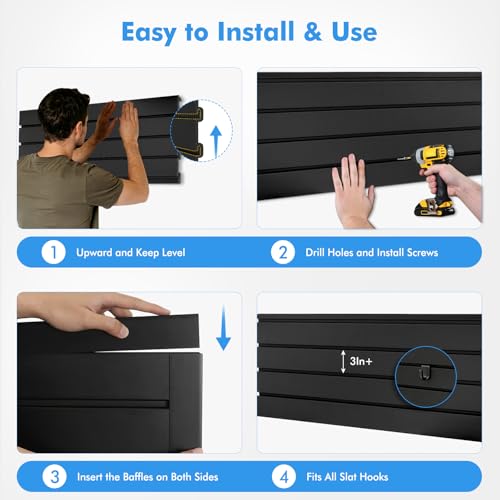
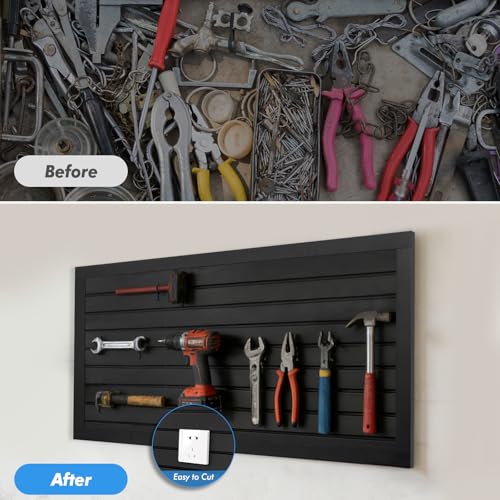
QUEENLINK PVC Slatwall Panels 8 Sq Ft System


As an Amazon Associate we earn from qualifying purchases. Product prices and availability are accurate as of the date/time indicated.
Look for panels that are easy to cut to size, include sealing strips, and can be mounted to wood studs, drywall, or masonry with corrosion resistant fasteners. That combination helps you customize the layout and reduce the chance of future rust at the mounting points.
When to Skip This and Call a Professional
DIY cleaning is not ideal for widespread rust that has spread behind the panels, caused the wall to feel soft or spongy, or involves electrical outlets or wiring running through the slatwall area. This approach is also not a good fit if you see mold, persistent damp drywall, or water staining on the ceiling above the wall. In those cases, skip this and have a qualified contractor or building professional assess for leaks, ventilation issues, or wall damage before you reinstall anything.
Frequently Asked Questions
Why is my PVC slatwall showing rust stains if PVC cannot rust?
PVC itself does not rust, so the color is almost always transfer from nearby metal. Check screws, hooks, brackets, and tools hanging on the wall. Cleaning the metal and replacing uncoated hardware usually clears the stains on the PVC.
Can I paint over rust on slatwall hooks and screws?
You can try painting over light surface rust after you clean and prime the metal, but heavy pitting often comes back. If the hardware feels rough, flakes, or no longer holds securely, replacing it with coated or stainless hardware tends to last longer than repainting.
How do I prevent slatwall storage panel rust in a humid garage?
Focus on keeping metal dry and air moving. Use a dehumidifier or fan, wipe down wet tools before hanging, choose rust resistant hooks and fasteners, and keep salt and chemicals sealed and away from the wall. Regularly dusting the slat grooves so moisture cannot collect also helps.
Browse more picks in our Slatwall System category, or see our related guide on NewAge Slatwall Alternatives.
Write Your Review
No reviews yet. Be the first to share your experience!