

Quick Answer
If your slatwall storage panel won’t stay mounted, the most common cause is that the screws are not anchored into studs and the wall anchors cannot hold the load. Try removing the panel, locating the studs with a stud finder, and reinstalling with proper wood screws into studs or rated drywall anchors where studs are not available, then reduce the weight until it holds securely.
Why This Happens
Most slatwall panels pull away because they were fastened only to drywall. Drywall alone cannot support sustained weight, especially when hooks are loaded with tools or totes. Even strong PVC panels will sag or pop off if the screws have nothing solid behind them.
Another common issue is incorrect anchor selection. Lightweight plastic anchors, short screws, or expansion plugs used without hitting a stud can work at first, then loosen as weight and vibration work them free. This is a frequent reason for panels that seem tight one day and loose the next. For related anchor problems, see slatwall panel screws stripping during Install? 5 fixes before you give up.
Installation direction and wall conditions also matter. If the grooves are not facing up, hooks cannot seat correctly and they lever the panel away from the wall when loaded. Uneven or bowed walls, or panels installed without enough fasteners across the length, can create gaps that let the panel flex and eventually detach.
Overloading is the final factor. Even when a system is rated for heavy storage, concentrating too much weight on one hook, one section, or the bottom edge can overload the fasteners in that area. Weight should be spread across multiple grooves and stud locations, not stacked in one spot.
Fixes to Try
Work through these steps in order, starting with the easiest and safest. Always unload the panel completely before you try any fix.
- Locate studs and check existing fasteners. Use a stud finder to mark every stud behind the panel area, then check if your current screws hit them. If you find only drywall anchors, plan to reposition screws to align with studs.
- Remove the panel and inspect the wall and anchors. Look for enlarged holes, crumbled drywall, or loose expansion plugs. If holes are damaged, you will need to patch them or shift the panel slightly to drill fresh holes into solid material.
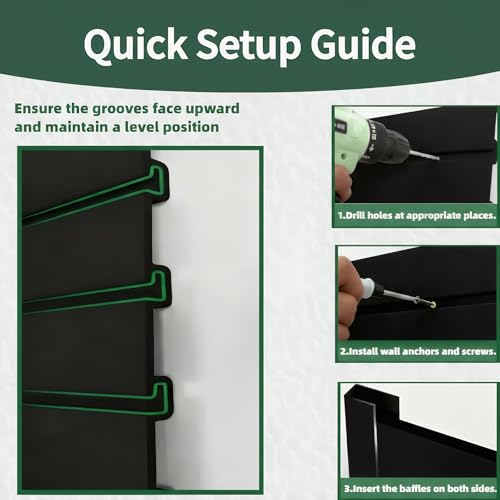
- Reinstall with proper fasteners for your wall type. For stud locations, use long wood screws that penetrate well into the stud. For drywall-only sections, use rated hollow-wall anchors or toggle-style anchors matched to the expected load, and follow the anchor manufacturer’s instructions.
- Confirm panel orientation and add support points. Make sure grooves face up so hooks lock in without pulling outward, keep the panel level, and add screws at every stud intersection along the panel length rather than just at the ends. This spreads the load more evenly.
- Reload gradually and distribute weight. Start with lighter items in the center and near studs, avoid hanging the heaviest items on a single hook, and keep frequently used tools within a balanced layout. If you use heavy totes, review options for best slatwall hooks for heavy totes to match hooks to the load.
If the panel still moves after these steps, check whether the wall itself is the issue. Soft, damp drywall or a wall with no studs in the desired location may not provide enough holding power without adding a horizontal mounting board or choosing a different wall.
When to Consider Replacing It
Repair makes sense when the panel is intact and the problem is just fasteners or layout. Consider replacement when the panel is cracked, the grooves are warped or stripped, screw holes are blown out across the entire board, or the material has bowed so it no longer sits flat against the wall. At that point, new panels with clean grooves and solid mounting points will hold more reliably than trying to patch a damaged board.
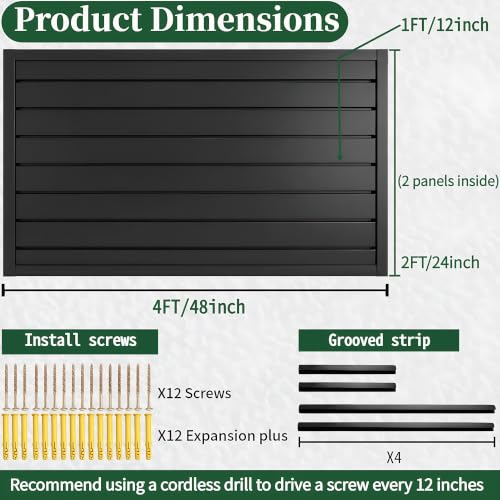
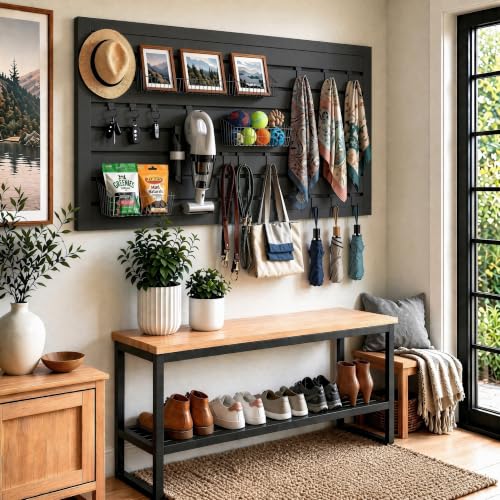
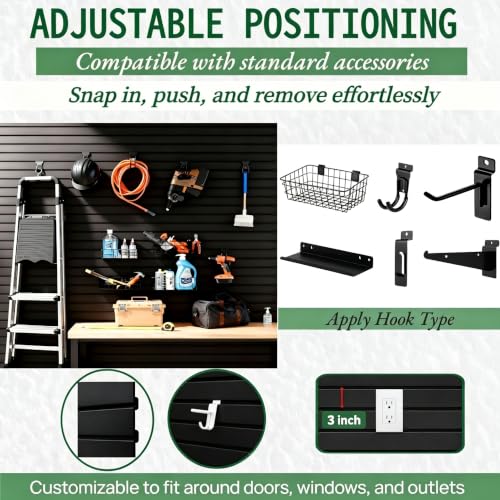
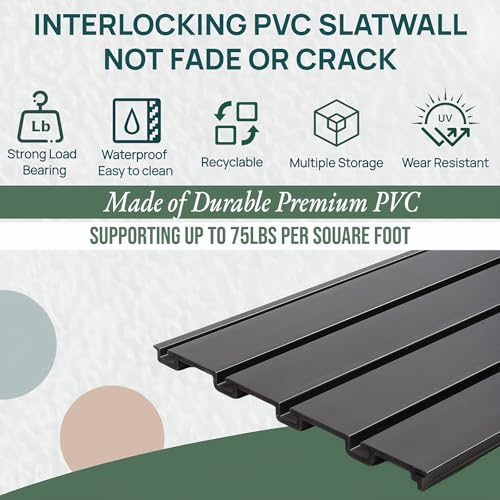
If you would rather replace it than keep troubleshooting, a modular PVC option with standard 3-inch slot spacing can simplify reinstallation and accessory compatibility. One practical option to evaluate is shown here:
This article contains affiliate links. If you buy through one of our links, TheGarageCrafted may earn a commission at no extra cost to you. Commissions never influence which products we recommend or how we rank them. Read our Affiliate Disclosure for details.
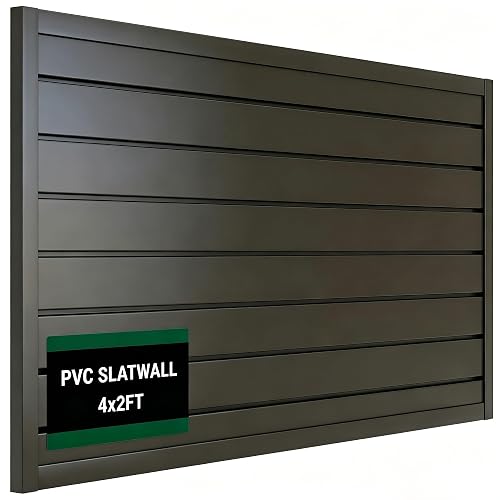
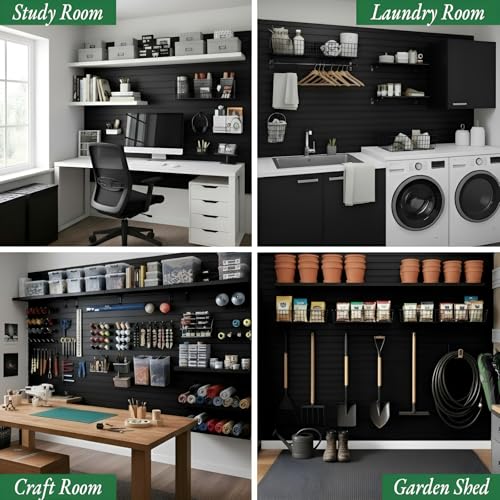
Prime VDTEB Heavy Duty PVC Slatwall Panels 4x2FT Garage


As an Amazon Associate we earn from qualifying purchases. Product prices and availability are accurate as of the date/time indicated.
When you compare replacements, look for included trim, the number of mounting points, and compatibility with standard hooks and baskets so you can reuse accessories. You can also explore 7 alternatives to NewAge slatwall panels for small spaces if you need a different size or layout for your wall.
When to Skip This and Call a Professional
This DIY approach is not ideal for situations where safety is at risk. If the panel is holding very heavy or overhead loads, if the wall shows signs of water damage or mold, if you need to open up the wall to add blocking, or if the panel supports items above a workbench where a fall could cause injury, skip this and get help. Follow the manufacturer’s weight capacity and anchoring instructions closely, and for any wall that may need structural reinforcement, have a qualified contractor assess the best way to secure it.
This guidance also is not the right choice if you are unsure what is behind the wall, such as plumbing or electrical lines. A professional can verify stud locations, wall condition, and proper anchor selection without creating additional damage.
Frequently Asked Questions
Why does my slatwall storage panel keep pulling away from the wall even after tightening the screws?
Tightening screws in damaged drywall rarely holds for long. One common cause is that the screw threads have nothing solid to grip, so they spin or the anchor loosens again under load. Try removing the panel, checking for enlarged holes, and reinstalling into studs or with new rated anchors in fresh holes.
Can I mount a slatwall panel with only drywall anchors and no studs?
You can in some cases, but it is not recommended for heavy tools or totes. Drywall anchors vary widely in holding power and wall condition matters a lot. For heavier use, at least some screws should go into studs and the remaining anchors should be rated for hollow walls and installed per the manufacturer’s directions.
How do I know if my slatwall panel is overloaded?
Signs include bowing in the middle, gaps opening at the top edge, hooks that tilt forward, or screws that slowly back out. Try unloading the panel and reloading with weight spread across multiple hooks and grooves, keeping the heaviest items closest to stud locations and avoiding a single overloaded point.
Browse more picks in our Slatwall System category, or see our related guide on NewAge Slatwall Alternatives.





Write Your Review
No reviews yet. Be the first to share your experience!