

Quick Answer
If your garage slatwall wall panel keeps falling, the most common cause is fasteners that are not anchored into studs or solid backing. Check that every mounting screw hits a stud or a wall anchor rated for your wall type, make sure the panel interlocks are fully seated, and remove weight until you can reinstall it securely.
Why This Happens
Most PVC slatwall panels rely on screws through the slat channels into studs or into anchors that match your wall material. If screws go only into drywall without an anchor, or into a weak plastic anchor, the panel can pull away as soon as you add hooks and tools. Even one row of missed studs can let the whole section sag and then drop.
The interlocking edges and trim pieces also matter. Many systems use a coupling structure where the top and bottom edges lock together to form a continuous surface. If those joints are not pressed fully together, or if the top trim is loose, the panel can bow outward and slide off the screws. Cutting panels to size without cleaning the edge can leave a gap that prevents a tight lock.
Overloading is another frequent reason. Slatwall is designed for vertical storage, but every wall and anchor has a limit, and weight that is concentrated on one hook puts more stress on a single slat. If you hang heavy items like ladders, large totes, or multiple power tools on one section without spreading the load, the screws can loosen over time. For related mounting issues, see slatwall panel screws stripping during Install? 5 fixes before you give up.
Wall conditions can contribute as well. Uneven drywall, soft or crumbling masonry, or studs that are not level can leave gaps behind the panel so it never sits flat. Moisture, temperature changes, and vibration from garage doors can then work screws loose. If your ceiling is low and the panel is near the top plate, flex in the wall can also make alignment harder, which is covered in best slatwall panels for low ceilings.
Fixes to Try
- Remove all hooks and weight and inspect the panel and wall. Look for loose screws, wall anchors that have pulled out, cracked drywall around screw heads, and gaps where the panel pulls away from the wall. Keep the panel supported while you work so it does not fall further.
- Locate solid backing and mark it clearly. Use a stud finder to find studs and mark the center of each one, or identify masonry or concrete if that is your wall type. Confirm your marks are level across the panel length so screws will line up with the mounting channels.
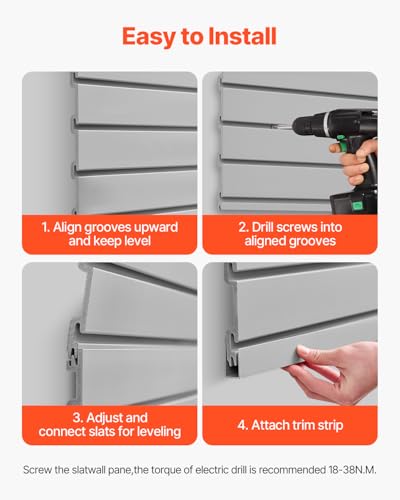
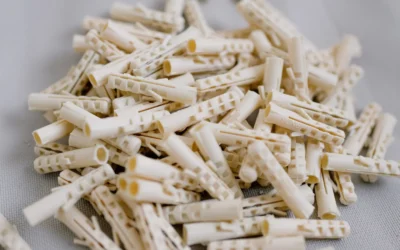
- Reinstall with the right fasteners for your wall. For wood studs, use wood screws long enough to get solid bite, and do not overtighten to the point the PVC dimples. For drywall without a stud, switch to anchors rated for your wall material and load, and for masonry use masonry screws or expansion anchors with a proper pilot hole. Tighten screws evenly and then add the sealing strip or trim to lock the joint.
- Reseat the interlocks and edges. Press the coupling edges together firmly along the full length until they click or sit flush, and make sure edge trim pieces are secured so they hold the panel flat. If you cut a panel, clean the cut edge so it can still mate cleanly with the next panel or trim.
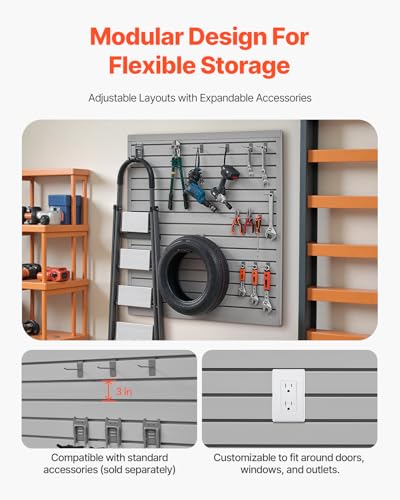
- Reload gradually and check hook fit. Use hooks made for 3-inch standard slatwall spacing and make sure they seat fully in the groove before adding weight. Spread heavy items across multiple slats and studs, and recheck screws after a day of use to see if anything has loosened.
When to Consider Replacing It
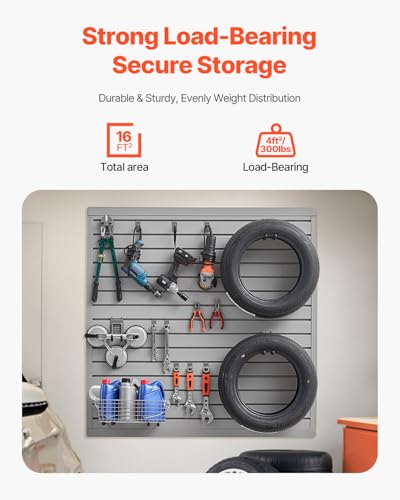
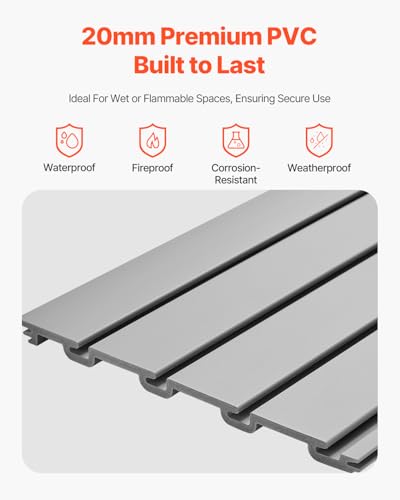
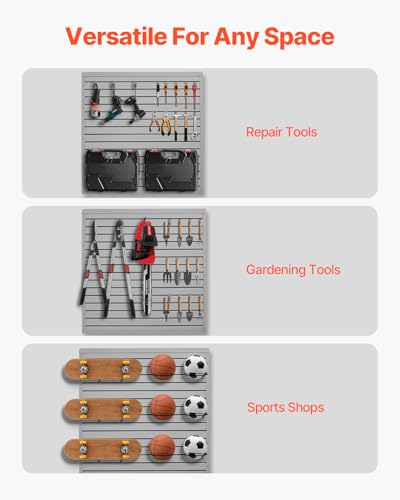
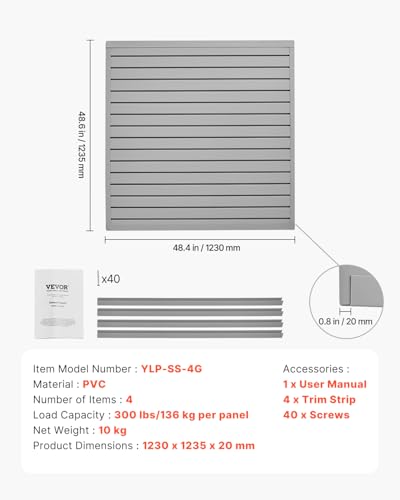
If the panel is cracked at the screw channels, the interlocks are warped and will not stay engaged, or the wall surface is too damaged to hold anchors even after you try new fastener locations, repair may not hold long term. At that point it is often simpler to replace the damaged section than to keep patching it. If you would rather replace it than keep troubleshooting, one modular option to evaluate is the VEVOR Slat Wall Paneling, 4 x 4 ft, which uses a PVC construction and coupling structure that is designed for adjustable accessory placement.
This article contains affiliate links. If you buy through one of our links, TheGarageCrafted may earn a commission at no extra cost to you. Commissions never influence which products we recommend or how we rank them. Read our Affiliate Disclosure for details.

Prime VEVOR PVC Slat Wall Panel 4x4 FT Grey


As an Amazon Associate we earn from qualifying purchases. Product prices and availability are accurate as of the date/time indicated.
You can also compare layouts and sizing ideas in 7 alternatives to NewAge slatwall panels for small spaces if you want to rethink coverage or panel size before you buy.
When to Skip This and Call a Professional
This type of reinstall is not ideal for walls with hidden electrical wiring, plumbing, or structural damage, and it is not a good fit if the panel is pulling large chunks of drywall or masonry with it. If you are unsure where studs or utilities are, if the wall is soft, crumbling, or water damaged, or if the panel must support very heavy loads overhead, skip this DIY fix and have a qualified contractor or installer assess the wall and follow the manufacturer’s anchoring and weight capacity instructions.
Frequently Asked Questions
Why does my garage slatwall wall panel keep falling even after I tighten the screws?
Tightening alone will not help if the screws are not in solid backing. Try verifying stud locations, replacing drywall-only screws with proper anchors for your wall type, and making sure the panel joints are fully seated so the load is shared across the whole panel.
Can I use adhesive instead of screws to keep a slatwall panel from falling?
Adhesive is not recommended as the primary support for slatwall that will hold tools. Panels need mechanical fasteners into studs or rated anchors to handle shear and pull-out forces, and adhesive can fail with temperature changes and dust in a garage.
How do I know if my hooks are causing the panel to fall?
Check that hooks are made for standard 3-inch slatwall and that they lock fully into the groove without rocking. If hooks are loose, mismatched, or all the weight is on one slat, try spreading items across more hooks and studs and see if the panel stays flat and secure.
Browse more picks in our Slatwall System category, or see our related guide on NewAge Slatwall Alternatives.



Write Your Review
No reviews yet. Be the first to share your experience!