

Quick Answer
Fixing sagging slatwall storage panel issues usually starts with unloading the panel and checking how it is anchored. In most garages the panel sags because screws missed the studs, wall anchors have loosened, or too much weight is hanging from one groove, so re-securing the panel into studs and spreading the load more evenly often flattens it out again.
Why This Happens
The most common cause is fasteners that are not in solid backing. If screws go only into drywall, even with plastic anchors, the panel can slowly pull away and bow under everyday tool weight. Over time gravity and vibration from opening and closing garage doors make that sag worse.
Weight distribution matters just as much as anchoring. Hanging several heavy items on one horizontal groove, or using deep hooks that lever outward, puts focused stress on the middle of the panel. You may notice the center bows while the top and bottom edges still look tight to the wall, which points to groove flex rather than a full mounting failure.
Material and environment also play a role. MDF-based panels can absorb moisture in humid garages and soften or warp, while PVC panels can flex if they were installed without enough screws or with screws driven too tight. If you had trouble during install, like slatwall panel screws stripping during install, the panel may not have been pulled snug to begin with, leaving a gap that turns into a sag.
Finally, missing reinforcement and uneven walls contribute. Standard slatwall grooves are designed to work with inserts or rails for heavier loads, and without them the lips of the groove can spread. If the wall itself is uneven or the panels were not leveled and interlocked correctly, one section will carry more load than the others and start to dip.
Fixes to Try
- Unload everything and inspect the sag. Remove hooks, baskets, and shelves, then look along the top, middle, and bottom for gaps between the panel and wall, cracked grooves, or screws that have pulled out. This makes the panel lighter and lets you see where it is actually flexing.
- Find the studs and check every fastener. Use a stud finder to mark stud locations, then verify each screw is hitting solid wood. Tighten any loose screws by hand first, and if a screw just spins, try a slightly longer screw with a washer or replace the wall anchor with one rated for the wall type.
- Re-secure the panel evenly and level. Add fasteners so there is consistent support across the top and bottom edges and through the middle where the manufacturer indicates. Keep the panel level as you go and avoid overtightening, which can strip the groove or dimple the face.
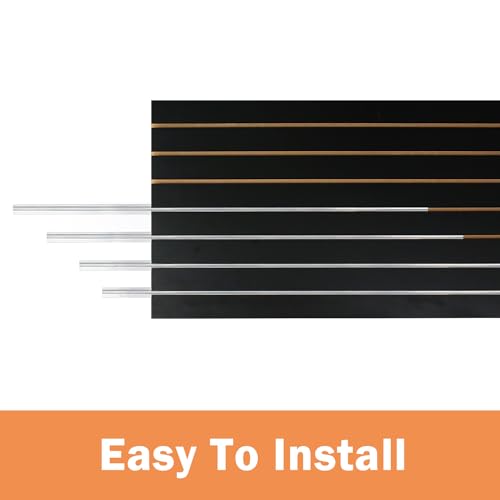
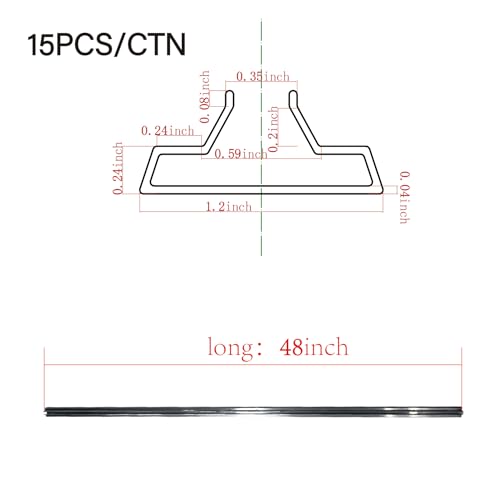
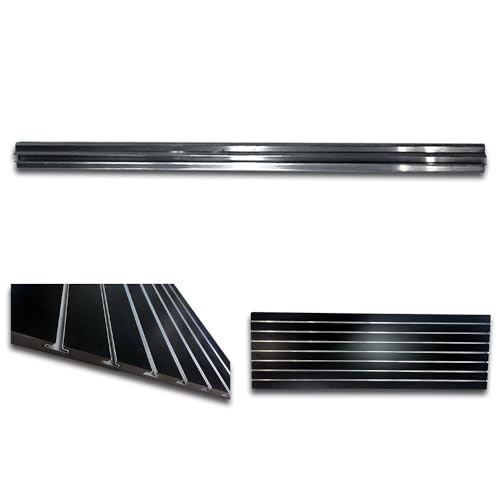
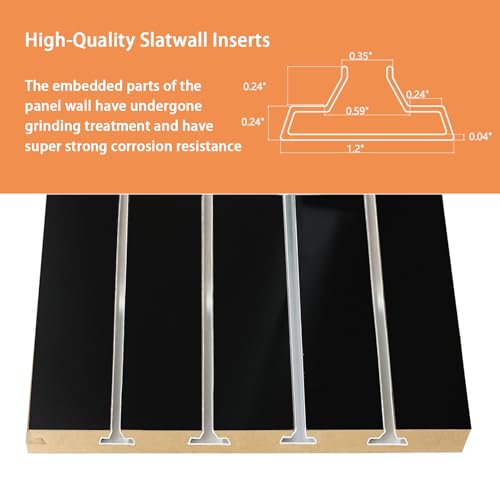
- Add groove reinforcement if the lips are spreading. Aluminum channel inserts that slide into the slat grooves can stiffen the panel and help hooks sit more securely, especially on longer 4-foot runs that see heavier tools. They are also useful if you plan to keep the same layout but want less flex.
- Redistribute weight and reinstall accessories. Spread heavy items across multiple grooves and studs, place the heaviest hooks closest to fastener lines, and use more hooks for long items like ladders. If you are working around a tight space, ideas from best slatwall panels for low ceilings and 7 alternatives to NewAge slatwall panels for small spaces can help you plan a layout that keeps load balanced.
When to Consider Replacing It
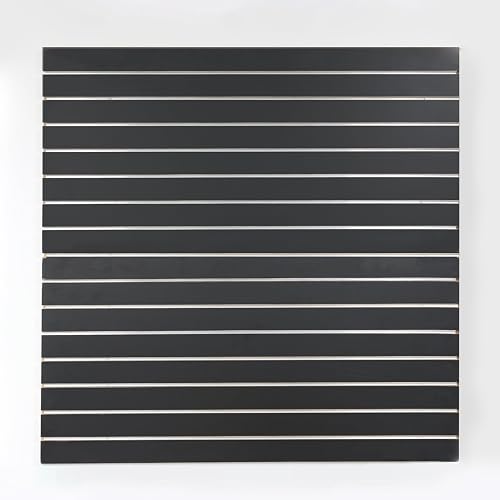
Try replacing rather than continuing to patch if the panel is cracked through the groove, the groove lips are broken or permanently spread, or the board stays bowed even after you have re-anchored it into studs and unloaded it. Warped MDF that has swollen from moisture, or PVC that has deformed from heat, often will not return to flat. If you would rather start fresh than keep troubleshooting a fatigued panel, a reinforcement option like the 15-Pack Aluminum Slatwall Inserts can add strength to a new or existing standard slatwall setup without changing your whole system.
This article contains affiliate links. If you buy through one of our links, TheGarageCrafted may earn a commission at no extra cost to you. Commissions never influence which products we recommend or how we rank them. Read our Affiliate Disclosure for details.

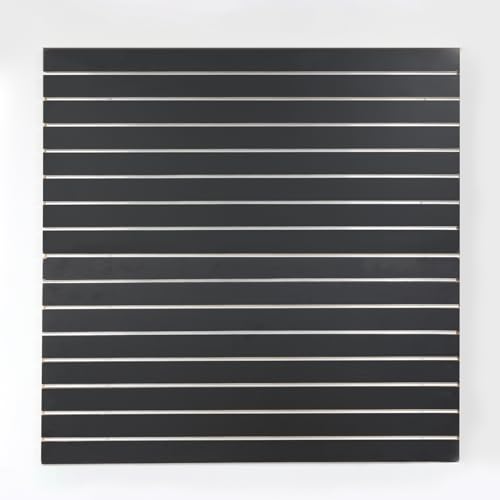
Prime WISDOMFUR 15-Pack 48-Inch Aluminum Slatwall




As an Amazon Associate we earn from qualifying purchases. Product prices and availability are accurate as of the date/time indicated.
When to Skip This and Call a Professional
This type of DIY re-anchoring is not ideal for panels that have pulled a large section of drywall away, walls with visible water damage or mold, or any install where you suspect electrical wiring or plumbing behind the mounting area. If the sag involves ceiling-mounted slatwall, overhead racks, or very heavy loads that require following the manufacturer’s weight capacity and joist anchoring instructions, skip this and have a qualified installer or licensed electrician verify the structure before you reload the wall.
Frequently Asked Questions
Why is my slatwall sagging in the middle but not at the edges?
That pattern often points to groove flex in the center where weight is concentrated and there is less direct screw support. Try unloading the center, adding reinforcement in the grooves, and making sure fasteners hit studs evenly across the span.
Can I fix a sagging slatwall panel without taking it off the wall?
Sometimes you can, if the panel is just loose. Try removing the accessories, tightening or replacing loose fasteners, and adding a few additional screws into studs while the panel stays in place. If the board is warped or the grooves are damaged, you will likely need to remove it to assess and reinforce it properly.
How do I keep my slatwall from sagging again after I fix it?
Spread weight across multiple grooves and keep the heaviest items over stud lines, and avoid overloading a single hook or shelf. Check fasteners periodically for looseness, keep humidity under control, and consider groove inserts for added rigidity if you regularly hang heavy tools.
Browse more picks in our Slatwall System category, or see our related guide on NewAge Slatwall Alternatives.





Write Your Review
No reviews yet. Be the first to share your experience!