

Quick Answer
If your slatwall garage system not holding weight, the most common reason is hooks that are not fully locked into the groove or panels that are not secured into wall studs. Remove the load, lift and reseat each hook until the top lip is fully engaged and you feel it seat, then check that every panel is fastened into studs with the correct screws and spread heavy items across multiple hooks lower on the wall.
Why This Happens
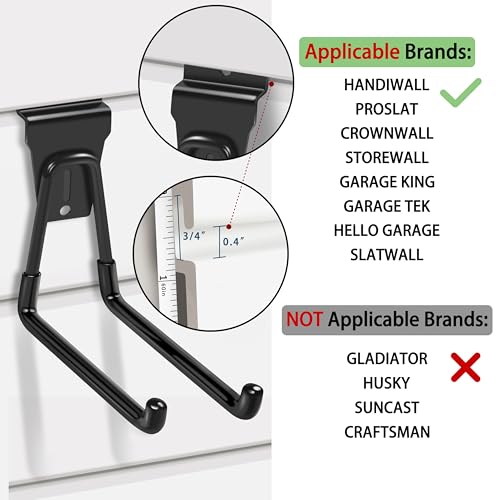
Hook and panel mismatch is the top cause. Many garage systems use a standard 3 inch on center groove, but other brands use different spacing or lip thickness, so a hook can look like it fits while only catching the edge. That shallow engagement slips or pops out as soon as you add weight, especially with single hooks holding drills, leaf blowers, or extension cords, and the problem gets worse as you add heavier gear.
Inadequate anchoring lets the whole panel flex and sag. Panels fastened only to drywall, with screws missing studs, or with too few screws will bow outward and the grooves will open slightly under load. You may also see cracked screw holes or panels that pull away at the top, which is a sign the fasteners are not biting into solid framing. For help with fastener issues, see this guide on slatwall panel screws stripping during Install? 5 fixes before you give up.
Overloading a single point creates leverage that the slat was not designed to handle. Hanging a bike, ladder, or heavy tote from one hook concentrates all the force on a small section of PVC or MDF, and hanging it high on the wall increases the pull. Baskets, shelves, and paired hooks distribute weight across several grooves and studs, which keeps the system stable and reduces stress on any single slat.
Daily use and garage conditions loosen things over time. Vibration from doors, seasonal humidity, and frequent repositioning of hooks can back screws out and wear the groove edges. Rubber coated hooks can also collect dust and oil in the groove, reducing friction so items slowly slide or tilt forward until they fall, even if they seemed secure at first.
Fixes to Try
- Confirm compatibility and reseat every hook. Check your panel brand and groove size against the hook specs, then remove all items, lift each hook up and in, and push down until the back plate sits flush and does not wobble when tugged.
- Verify stud anchoring and add fasteners where needed. Use a stud finder to locate framing, ensure each panel has screws in every stud it crosses, and replace any loose or enlarged holes with the proper length and head type for your wall material.
- Redistribute weight across multiple points. Move the heaviest gear to the lowest row closest to studs, use two hooks for bikes and ladders, and switch from single hooks to double hooks or baskets for totes and bulky items. You can find ideas for heavier loads in best slatwall hooks for heavy totes.
- Tighten, reinforce, and clean the grooves. Snug all panel screws without over driving, add washers or appropriate wall anchors if a hole is enlarged, vacuum dust from the slats, and wipe hooks so the rubber coating grips cleanly.
- Use locking or securing accessories for high vibration areas. Try hooks with locking tabs, add end caps or retainers if your system offers them, and use velcro straps or bins with lips for items that tend to bounce or shift when the garage door moves.
When to Consider Replacing It
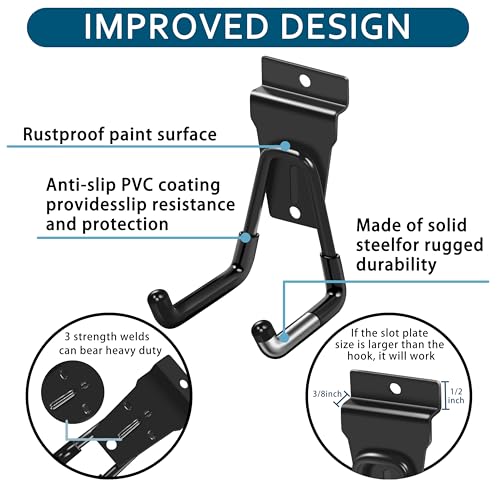
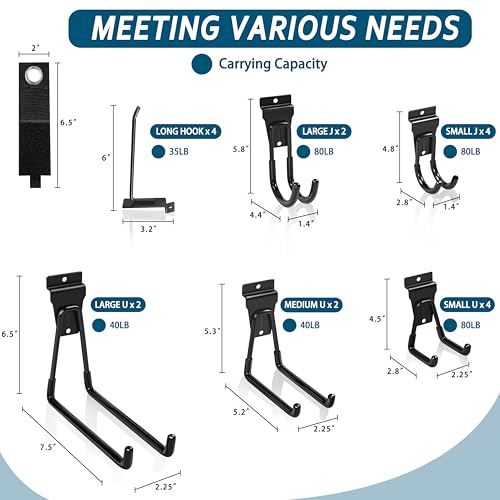
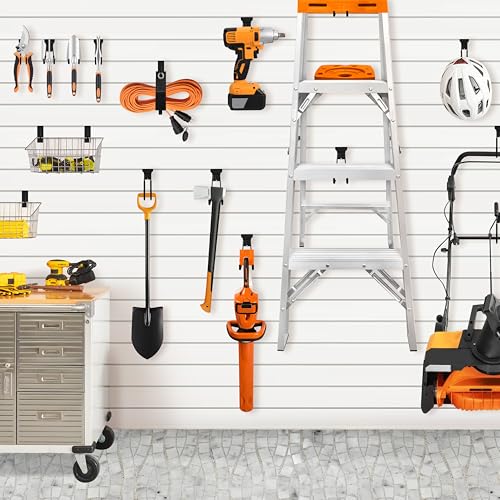
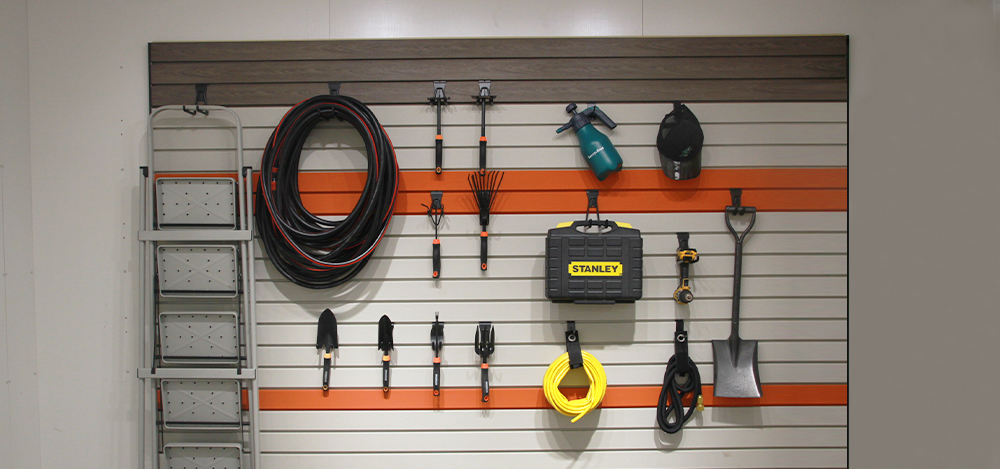
If grooves are cracked, chipped, or visibly spread open, or if screw holes are enlarged and will no longer hold even after reinforcement, repairs tend to be temporary. Bent or cracked hook back plates and hooks that still slip after reseating are also signs the hardware is worn beyond a quick fix. At that point, swapping to a fresh set of matched accessories often saves time and prevents damage to tools. If you would rather replace than keep troubleshooting, one practical option is the klasit Slatwall Hooks Black 20Pack Firmly, which offers multiple hook sizes with reinforced weld points and rubber coating. For panel options, you can also explore 7 alternatives to NewAge slatwall panels for small spaces.
This article contains affiliate links. If you buy through one of our links, TheGarageCrafted may earn a commission at no extra cost to you. Commissions never influence which products we recommend or how we rank them. Read our Affiliate Disclosure for details.

Prime klasit 20-Pack Slatwall Hooks


As an Amazon Associate we earn from qualifying purchases. Product prices and availability are accurate as of the date/time indicated.
When to Skip This and Call a Professional
This DIY approach is not ideal for walls with hidden electrical, plumbing, or structural damage, or for concrete and masonry where special anchors and tools are needed. If panels are pulling away with large sections of drywall, if you see bowed studs, cracked PVC, or you need to hang extremely heavy or overhead loads, skip this and consult a qualified installer or contractor who can follow the manufacturer’s weight and anchoring instructions and ensure the wall can support the load safely.
Frequently Asked Questions
Why do my slatwall hooks keep falling out when I hang heavy tools?
This usually means the hook lip is not fully seated or the hook style does not match your panel groove. Try removing the hook, clearing debris from the slat, and reinstalling it with a firm upward then downward motion until it locks, and confirm the hook is rated for your panel brand and groove size.
Can I fix a slatwall panel that sags in the middle?
Sagging often points to missing stud anchoring or too few screws. Try adding screws into every stud the panel crosses, support the panel while you fasten it to keep it flat, and move heavier items to areas directly over studs or to lower rows to reduce leverage on the center of the panel.
How do I know if I overloaded my slatwall garage system?
Signs include hooks that tilt forward, grooves that spread or crack, and panels that bow away from the wall or creak when loaded. Try removing some weight and spreading the load across more hooks, baskets, or shelves, and check the manufacturer’s guidance for your specific panel and hook combination before reloading.
Browse more picks in our Slatwall System category, or see our related guide on NewAge Slatwall Alternatives.






Write Your Review
No reviews yet. Be the first to share your experience!