
Quick Answer
When pegboard hooks keep falling out, the most common cause is a loose fit between the hook prongs and the pegboard holes combined with the upward angle you use to lift tools off. Check that each hook is fully seated with both prongs through the board, then add a simple retainer or lock to keep it from lifting out, and make sure your board is mounted with a small gap behind it so the prongs can fully engage.
Why This Happens
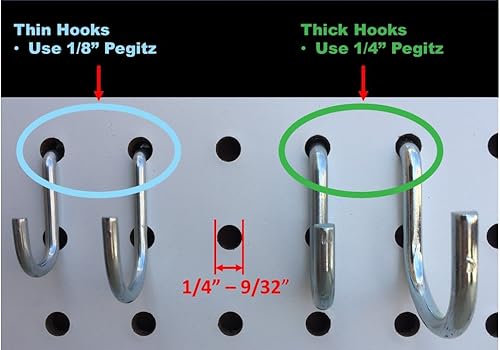
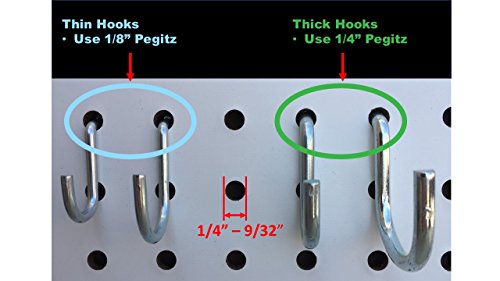
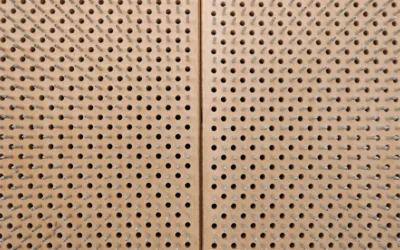
Standard pegboard uses 1/4 inch holes, but many hooks have a slightly smaller wire diameter. That small clearance is intentional so hooks go in easily, but it also means they can wobble and lift out with light upward pressure, especially after the holes have widened a bit from repeated use and weight.
Hook design matters too. Single-prong hooks and thin double-prong hooks rely only on gravity and friction. If the prongs are not bent to the correct angle or are not pushed all the way through, the hook sits shallow in the hole and any bump when you remove a tool can pop it free.
Board mounting is another common factor. Pegboard needs spacers or furring strips behind it so the prongs have room to drop and lock. If the board is flat against the wall, the prongs cannot seat properly and will feel loose from the start. A board that flexes because it is thin, damp, or only supported at the edges can also enlarge holes over time. If you are comparing options, this guide to the best metal pegboard for workshop explains why metal panels avoid some of these flex issues.
Finally, how you use the hooks plays a role. Pulling tools straight out or at an upward angle tends to lift the hook with the tool. Heavy or awkward items like hammers and drills increase that leverage. Over time, repeated lifting can slightly deform the hole or the hook itself, making the fit even looser.
Fixes to Try
Try these steps in order, starting with the easiest and least invasive. You can often stabilize your current hooks without buying a new system.
- Reseat and adjust each hook. Remove the hook, check that the prongs are not bent outward or flattened, and gently adjust the lower prong so it angles slightly upward once through the hole. Reinsert it fully until you feel it drop and sit flat against the board face.
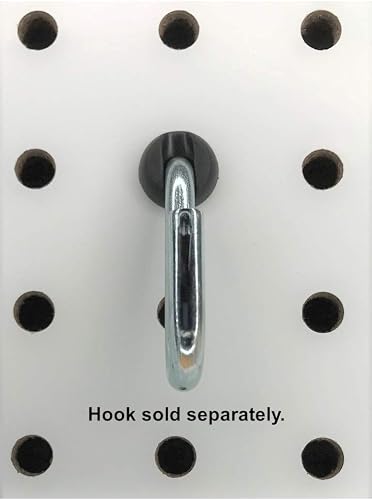
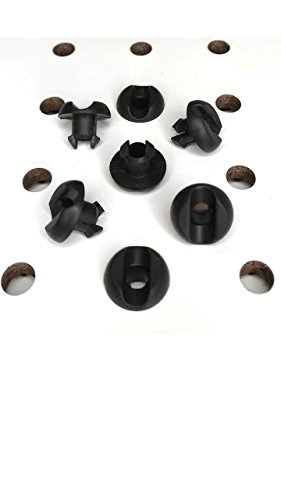
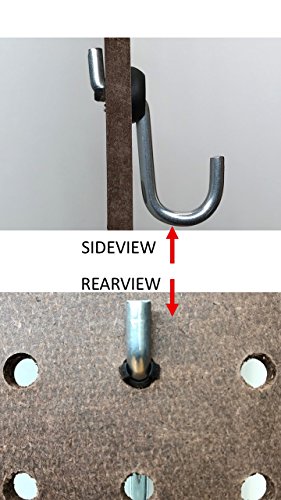
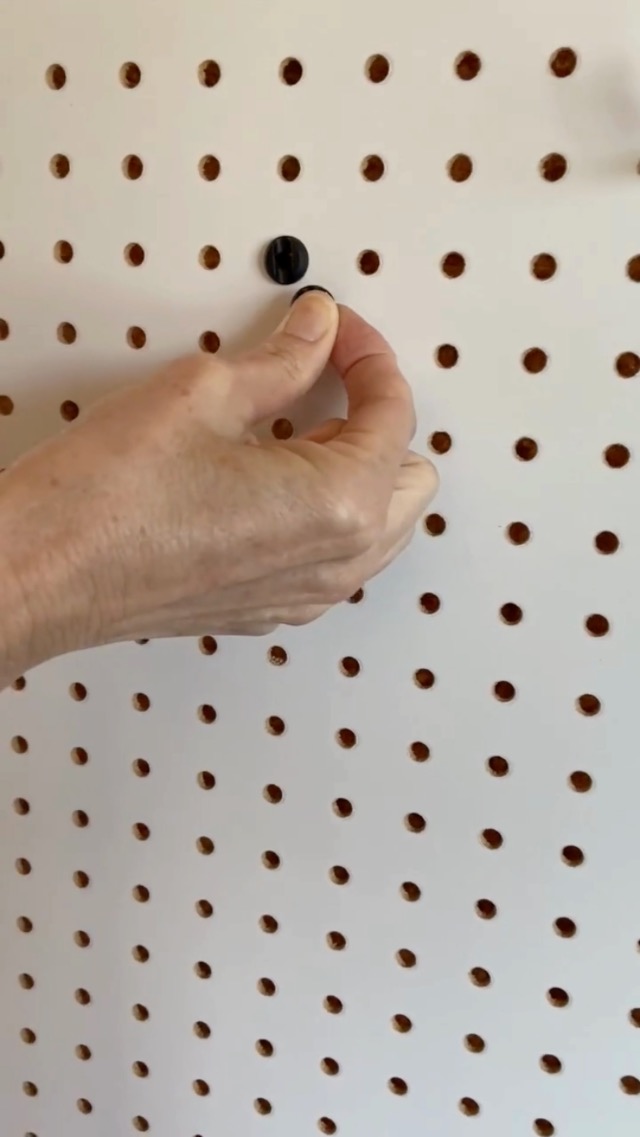
- Add pegboard hook locks or retainers. These small rubber or plastic inserts fit into the pegboard hole alongside the hook wire and expand to create a snug fit. Push the lock into the hole first, then insert the hook through it for a more secure hold that is still removable when you want to rearrange.
- Use a temporary stabilizer if you need a quick fix. A small zip tie, twist tie, or piece of wire threaded through the hole behind the hook can act as a keeper to prevent lift-out. Trim any excess so it does not interfere with other holes and check that the hook still sits flush.
- Check board spacing and mounting. Confirm there is at least a small standoff behind the pegboard so prongs clear the wall. Tighten any loose mounting screws and add additional spacers or furring strips if the board bows when you press on it. A solid, flat mount reduces wobble that works hooks loose.
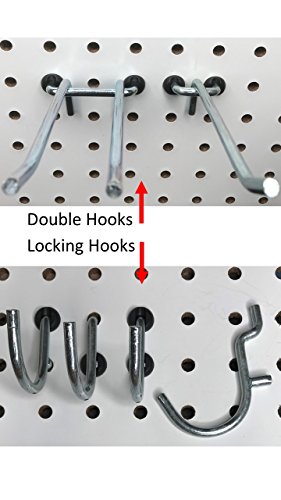
- Switch hook style for problem spots. For tools you grab often, try a locking pegboard hook, a double-prong hook with a locking tab, or a hook with a secondary support arm. These designs resist upward pull better than basic single-wire hooks, especially for heavier hand tools. For damp spaces, consider whether a best metal pegboard for basement storage might reduce hole wear and humidity-related warping.
When to Consider Replacing It
If holes are visibly enlarged, cracked, or the board surface is flaking and hooks no longer grip even with retainers, repair stops being practical. The same is true if the board is warped from moisture or the hook wires themselves are bent and will not hold tension. In that case, replacing the worn panel or upgrading to more secure retainers and hooks is often faster than continuing to adjust loose holes. If you would rather replace than keep troubleshooting, one practical option is a dedicated peg lock set designed for standard 1/4 inch holes.
This article contains affiliate links. If you buy through one of our links, TheGarageCrafted may earn a commission at no extra cost to you. Commissions never influence which products we recommend or how we rank them. Read our Affiliate Disclosure for details.
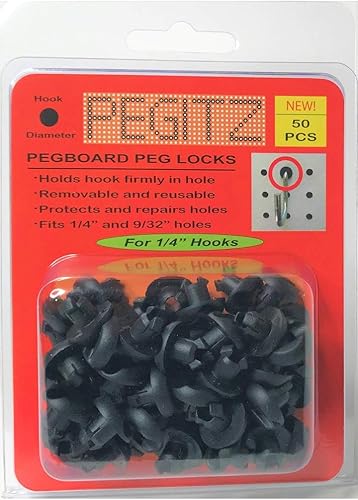
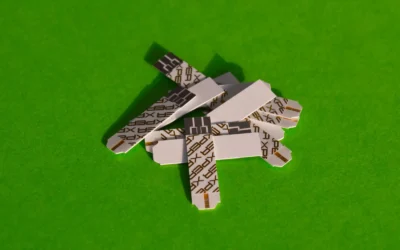
Prime Pegitz Peg Locks 50 Pack




As an Amazon Associate we earn from qualifying purchases. Product prices and availability are accurate as of the date/time indicated.
You can also browse the full Pegboard & Metal Pegboard category for other organization ideas that work with your existing setup.
When to Skip This and Call a Professional
This troubleshooting is not ideal for situations where a falling tool could cause injury or where the pegboard is overloaded with heavy items above a workspace, vehicle, or walkway. If your board is ceiling-mounted, holds heavy power tools, or shows signs of wall anchor failure, skip this DIY fix and have the mounting assessed. For heavy overhead storage, always follow the manufacturer’s weight capacity and anchoring instructions for your wall type and joists, and do not try to reinforce a failing overhead install with extra hooks or adhesives.
Frequently Asked Questions
How do I keep pegboard hooks from falling out without buying new hooks?
Try reseating each hook so both prongs are fully through the board and the hook sits flat, then add a rubber retainer lock in the same hole. A small zip tie behind the board can also work as a temporary keeper. Make sure the board has spacers behind it so the prongs can properly engage.
Why do my pegboard hooks fall out only when I take tools off?
That usually happens because you are lifting the tool at a slight upward angle, which lifts the hook with it. Hooks rely on gravity to stay seated, so any upward pull can dislodge a loose-fitting hook. A retainer lock or a locking-style hook helps resist that upward motion while still letting you remove the tool easily.
Are metal pegboards better if pegboard hooks keep falling out?
Metal pegboards can help because the holes do not enlarge or fray like hardboard and the panels flex less, so hooks stay snug longer. They still need correct hook sizing for 1/4 inch holes and proper mounting with standoffs. If your current hardboard is worn or damp, upgrading the panel and using retainers together often gives the most stable result.


Write Your Review
No reviews yet. Be the first to share your experience!