

Quick Answer
If your pegboard hook holes stripped or enlarged, the hook no longer has a snug fit and will wobble, tilt, or fall out under even light weight. In most cases the hardboard itself has worn or crumbled around the hole from repeated use or overloading, not the metal hook. Try securing the hook with peg locks or retainer clips first, then move the hook to an unused hole nearby if the original hole is too loose to hold. If several holes in one area are enlarged, reinforcing that section or switching to a thicker, better fitting hook diameter often restores stability without replacing the whole panel.
Why This Happens
Standard hardboard pegboard is made from compressed wood fibers, so each hole is essentially a punched opening with thin walls. Every time you insert, remove, or wiggle a hook, you abrade those fibers a little more. After months of reorganizing tools, the holes gradually become oval or oversized, especially in the spots you use most often.
Weight and leverage accelerate the wear. A long hook holding a heavy wrench or drill creates outward pull at the top of the hole and downward pressure at the bottom. That rocking motion slowly crushes the fiber around the rim, and once the hole is enlarged, even lighter items will not stay secure. Overloading a single hook is one common cause of rapid enlarging.
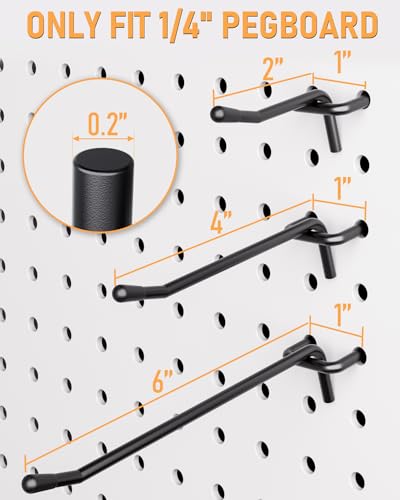
Mismatched hook and hole size also causes problems. Many boards use 1/4 inch holes on 1 inch spacing, while others use 1/8 inch holes, and hooks are made to match one size. If you use a thin wire hook in a 1/4 inch board, it will feel loose from day one and wobble until the hole widens further. For help matching the right diameter, see this guide to best pegboard hooks for workshop.
Environment plays a role as well. Hardboard absorbs moisture in humid garages, basements, or unconditioned sheds, which softens the fibers and makes them crumble more easily. An older board that has been exposed to dampness, direct sunlight, or frequent temperature swings will strip out faster than a newer board or a metal panel. If your board feels soft, fuzzy, or flaky around the holes, moisture damage is likely.
Fixes to Try
- Add peg locks or retaining clips to stabilize the hook. These small plastic pieces snap into the hole alongside the hook prongs and prevent lift out and rotation, which is often enough to make an enlarged hole usable again. Check that the lock matches your board thickness and hole spacing before installing.
- Move the hook to a fresh, unused hole nearby. If only one or two holes are stripped, simply shifting the hook an inch over to solid material gives you a tight fit again. Reserve the damaged holes for very light items or leave them empty to avoid further crumbling.
- Reinforce the back of the board around the damaged hole. For hardboard, you can try placing a small fender washer or a piece of thin plywood behind the hole to give the hook prongs more to grip, then secure the washer with a short screw into the board if needed. This adds support without replacing the entire panel.
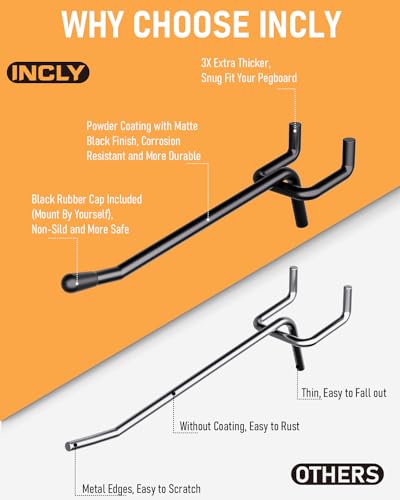
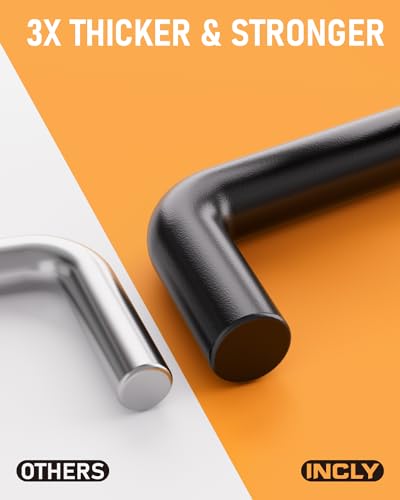
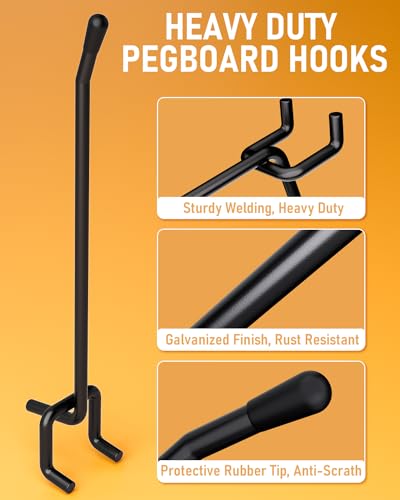
- Switch to hooks with a thicker shank and double pegs. Hooks with a 0.2 inch diameter and two stabilizing pegs spread the load across two holes instead of one, which reduces wobble in slightly enlarged openings. Make sure the new hooks are rated for 1/4 inch pegboard if that is what you have.
- Patch or bridge a badly worn section. For a small cluster of enlarged holes, cover the area with a short metal pegboard strip or a pegboard spacer panel mounted over the existing board, then hang hooks through the new, solid holes. If the damage is widespread across the board, it is usually more efficient to replace the board than to patch dozens of holes.
When to Consider Replacing It
If more than a third of the holes in your main work zone are enlarged, crumbling, or visibly oval, repairs become tedious and hooks will keep loosening. At that point, replacing the hooks with a more stable set or moving to a fresh board saves time and keeps tools secure. If you would rather replace the hooks than keep troubleshooting loose fits, a thicker, locking option can help.
This article contains affiliate links. If you buy through one of our links, TheGarageCrafted may earn a commission at no extra cost to you. Commissions never influence which products we recommend or how we rank them. Read our Affiliate Disclosure for details.

Prime INCLY 60 Pack Pegboard Hooks 2/4/6 Inch Heavy Duty



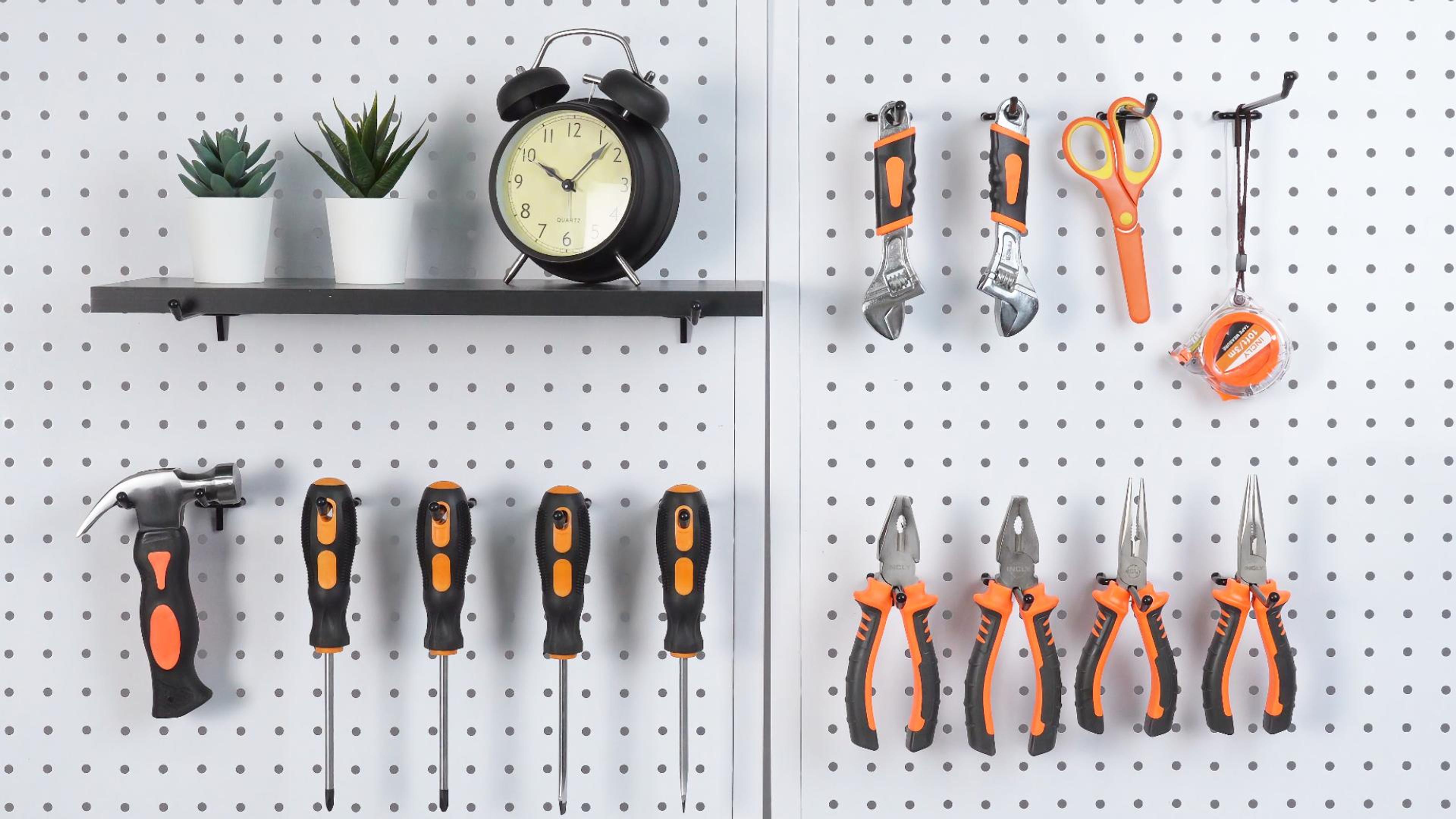
As an Amazon Associate we earn from qualifying purchases. Product prices and availability are accurate as of the date/time indicated.
Consider a metal pegboard if you have had repeated issues with fiber wear. Metal panels do not enlarge the same way hardboard does and they pair well with locking hooks. You can compare options in best metal pegboard for workshop and best metal pegboard for basement storage to see which style fits your wall space.
When to Skip This and Call a Professional
These fixes are not ideal for boards that are structurally failing, heavily water damaged, or pulling away from the wall. If the pegboard is sagging, the mounting screws have pulled out of drywall, or the wall behind it is soft or cracked, skip this DIY repair and address the wall anchoring first. This is also not the right choice if you are hanging very heavy or sharp tools overhead where a fall could cause injury, in that case follow the manufacturer’s mounting and weight instructions closely and get help to ensure the board is anchored into studs.
Frequently Asked Questions
Can you fix pegboard hook holes stripped or enlarged without replacing the board?
Often yes, if only a few holes are affected. Try peg locks to stop wobble, move hooks to unused holes, or reinforce the back of the hole with a washer or backing strip. If the board is soft or crumbling across a large area, replacement is usually more reliable than patching.
Why do my pegboard hooks keep falling out even in new holes?
One common cause is a size mismatch between hook and board, such as using 1/8 inch hooks in a 1/4 inch board. Another is missing peg locks, which are needed to keep hooks from lifting out when you remove a tool. Check the hook diameter and add locks that match your hole spacing.
Should I switch to metal pegboard if holes keep enlarging?
Metal pegboard is a good option if your hardboard holes enlarge repeatedly, especially in humid spaces or high use zones. Metal holes do not wear or crumble the same way fiberboard does and they work well with double peg, locking hooks. If you want to stay with hardboard, try thicker hooks and avoid overloading any single hook.
Browse more picks in our Pegboard & Metal Pegboard category, or see our related guide on Fix a Bowing Pegboard Panel.




Write Your Review
No reviews yet. Be the first to share your experience!