

Quick Answer
If your utility shelving unit wobbles, the most common cause is uneven flooring combined with loose leveling feet or untightened frame bolts. Try adjusting the feet until all four posts sit firmly on the floor, then snug every bolt, clip, and shelf tab while the unit is empty. In most garages this simple leveling and tightening sequence stops the rocking without any replacement parts.
Why This Happens
Garage and basement floors are rarely perfectly flat, and even a small dip under one post can make a tall shelving unit rock. Concrete often slopes slightly toward a drain or doorway, and expansion joints, cracks, or patched areas create high and low spots that standard feet cannot bridge without adjustment. For more context on floor related leveling problems, see shelving unit Won’t stay Level? 5 fixes before you give up.
Hardware loosens over time from repeated loading, unloading, and everyday vibration. Boltless shelving relies on friction clips, sleeves, and interlocking tabs, while bolted units rely on nuts and bolts, and if any connection is not fully seated the whole frame can flex and sway. Overloading one side or placing the heaviest bins on the top shelf also stresses joints and amplifies that wobble, especially on taller units.
Missing, cracked, or incorrectly threaded leveling feet are another frequent culprit. Many utility shelves ship with adjustable plastic or steel feet, and if one foot is lost, stripped, or threaded at an angle, that corner will sit lower and the unit will pivot. Humidity and temperature swings in a garage can also cause slight changes in shelf decks or cause metal to expand and contract, which loosens the fit at joints that once felt solid.
Finally, an unanchored tall unit will feel wobbly even when it is level because it lacks wall support. Utility shelving becomes top heavy when loaded, and without a wall anchor any push, pull, or uneven load creates noticeable sway. Comparing your setup to other frame designs can help you spot structural differences, like in HOMEDANT black 47.7″ deep 5 tier storage shelves vs heavy duty garage shelving 36″ W x 16″ D x 72″ H.
Fixes to Try
Work with the unit empty and on a clear area so you can see movement clearly. Try these steps in order from easiest to more involved, and check for wobble after each one before moving to the next.
- Check the floor and adjust the leveling feet. Place a level on a shelf and identify the low corner, then turn that adjustable foot outward until all four feet make firm, even contact with the floor and the unit no longer rocks when you push the top. If your unit lacks adjustable feet, try hard plastic shims designed for furniture rather than soft wood or cardboard that can compress over time.
- Tighten every connection while the unit is empty. For bolted units, snug each nut and bolt evenly in a cross pattern without overtightening, which can strip threads or bend the post. For boltless units, tap clips, sleeves, and shelf decks fully into their slots with a rubber mallet and confirm each tab is locked and flush.
- Square the frame if it was assembled out of square. Loosen the hardware slightly, set the frame on the flattest area you have, measure the diagonals from corner to corner to check for square, gently adjust until both diagonals are equal, then retighten. A frame that is even slightly out of square will always wobble under load.
- Add wall anchoring or cross bracing for tall units. Secure the top of the unit to wall studs with a manufacturer approved anchor strap or L-bracket, and consider adding a back panel or cross wires if your model supports them. For ideas on working with solid walls, see how to organize boltless shelving on concrete walls.
- Redistribute weight and inspect shelf clips. Place heavier bins and tools on lower shelves centered over the posts, keep lighter items up top, and confirm each shelf clip or plastic sleeve is fully engaged and not cracked or deformed. Replace any bent clips or worn sleeves before reloading, as they allow shelves to shift and create sway.
When to Consider Replacing It
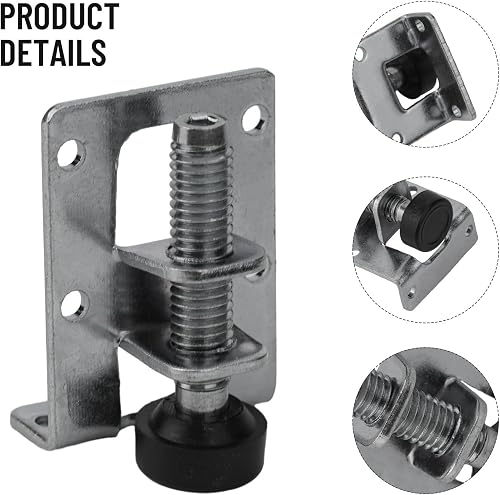
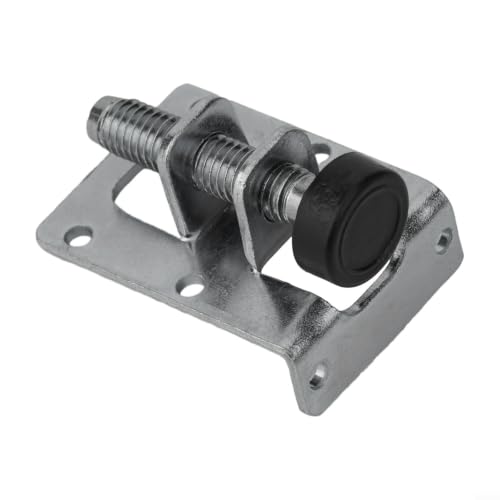
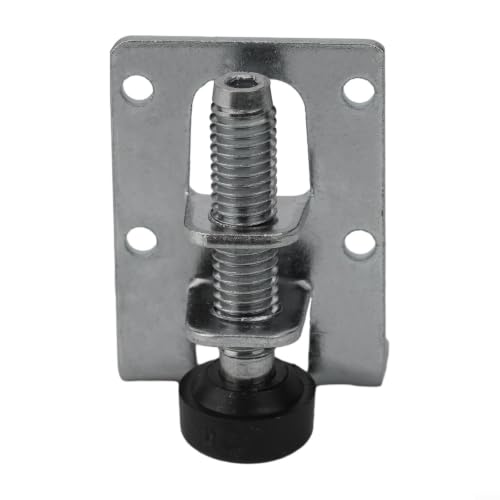
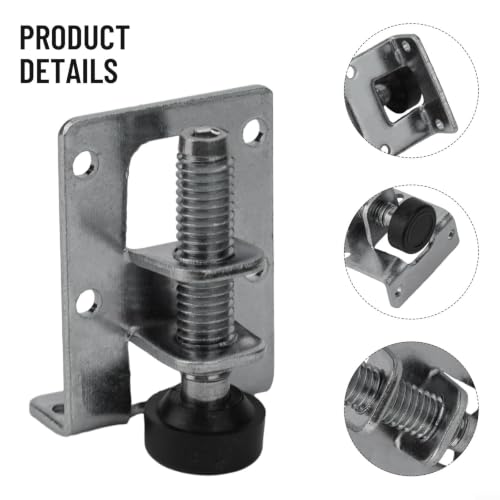
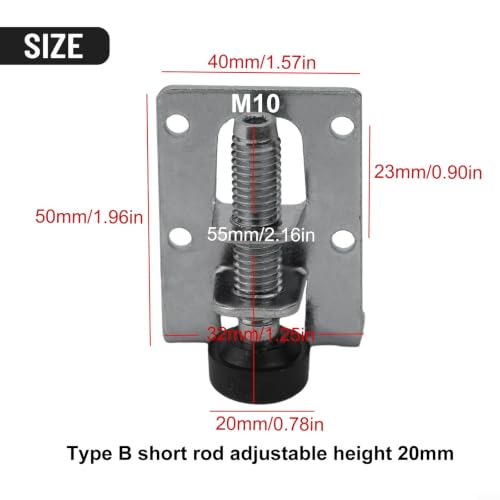
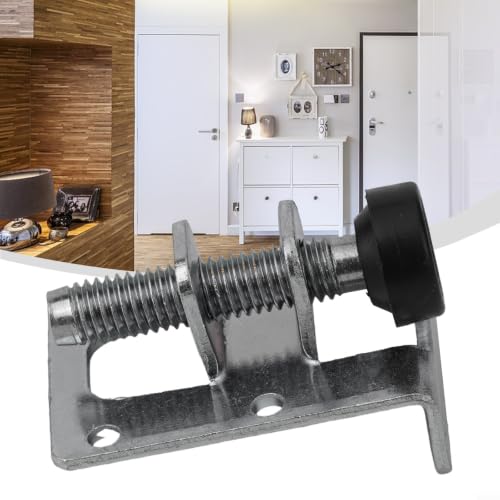
If posts are visibly bent, the threads for leveling feet are stripped and will no longer hold adjustment, or clips and sleeves no longer lock after tightening and squaring, repairs may not hold for long. Repeated wobble after you have leveled, tightened, and redistributed weight often points to fatigued joints or worn connection points that keep loosening. If you would rather replace the leveling hardware than keep troubleshooting the same rocking corner, one practical option is the for Furniture Leveling Feet Adjustable Steel Legs, which are made from cold-rolled steel with an electroplated finish to resist rust and allow fine height adjustment on uneven floors.
This article contains affiliate links. If you buy through one of our links, TheGarageCrafted may earn a commission at no extra cost to you. Commissions never influence which products we recommend or how we rank them. Read our Affiliate Disclosure for details.

Prime YobiLife Adjustable Furniture Leveling Feet




As an Amazon Associate we earn from qualifying purchases. Product prices and availability are accurate as of the date/time indicated.
When to Skip This and Call a Professional
This type of DIY leveling and tightening is not ideal for shelving that is heavily loaded, over six feet tall, showing cracked welds, severely bent uprights, or pulling away from the wall. Tall or heavily loaded shelving can tip over and cause serious injury, so always follow the manufacturer’s weight capacity and wall anchoring instructions and anchor the unit to wall studs to prevent tip over. If the unit requires drilling into masonry, anchoring to ceiling joists, or you are unsure about load limits and wall construction, skip this and consult a qualified professional or the manufacturer for guidance.
Frequently Asked Questions
Why does my utility shelving unit wobble even on a flat floor?
Even floors that look flat can have slight variations, and a frame that is not square will wobble regardless of the surface. Check that all leveling feet touch the floor evenly and that every clip or bolt is fully seated, then confirm the frame is square by comparing diagonal measurements before reloading.
Can I fix a wobbly shelving unit without anchoring it to the wall?
You can often reduce wobble with leveling feet, tightening, and better weight distribution, but tall or top heavy units will still sway without wall support. For units above chest height or those holding heavy bins, a wall anchor strap into studs is a widely recommended safety step rather than an optional fix.
How do I know if my shelving unit is overloaded?
Signs include shelves that sag in the center, clips that pop out, posts that bow outward, or wobble that returns soon after tightening. Try removing weight, placing heavier items on lower shelves centered over the posts, and reviewing the manufacturer’s load rating for each shelf and for the total unit.
Browse more picks in our Heavy Duty Shelving & Racking category, or see our related guide on Boltless Shelving vs Storage Rack Compared.







Write Your Review
No reviews yet. Be the first to share your experience!