

Quick Answer
If your shelving unit won’t stay level, the most likely cause is an uneven garage or basement floor and feet that are not adjusted to match it. Try placing a small level on the top shelf front to back and side to side, then slowly raise the lowest foot until all four feet sit firmly without rocking.
If that does not steady it, check that the shelves are locked into the posts evenly and that the unit is not overloaded on one side, since uneven weight can make a level unit look and feel tilted.
Why This Happens
Most garage and basement floors are not perfectly flat. They often slope slightly toward a drain or doorway, and concrete can have low spots or raised seams. A rigid shelving unit with four small feet will rock on that surface unless the feet are adjusted to compensate.
Assembly issues are another common cause. If one shelf clip or bracket is not fully seated, or if the posts are not inserted to the same depth, the frame can twist slightly. That twist makes the unit wobble even on a flat floor, and it gets worse as you add weight. Choosing storage designed for heavy, uneven loads, like options in heavy tote garage cabinets, can help you understand how weight distribution affects stability.
Weight distribution also matters. When heavy bins or tools are all on one side or on a top shelf, the center of gravity shifts and the unit may lean or flex. Over time, plastic connectors can creep and metal frames can bend slightly if the load is consistently unbalanced, which makes leveling harder to maintain.
Finally, missing or worn floor protection can create movement. Hard plastic feet can slide on smooth concrete, and thin rubber caps can compress unevenly. If the feet are damaged, bent, or missing lock nuts, they may slowly unscrew or sink, so the unit drifts out of level after you adjust it.
Fixes to Try
- Check the floor and the frame first. Place a level on the top shelf in both directions, then check the floor itself near each foot. Try to identify which corner is low or which foot is lifting, and confirm the unit is square by measuring diagonally from corner to corner if you can.
- Empty the shelves and reseat all connections. Remove items, then make sure each shelf, clip, and post is fully locked at the same height on all four sides. Tighten any screws or bolts by hand, but avoid over tightening plastic parts, and confirm the unit stands square before reloading.
- Adjust the feet slowly and lock them. Turn the lowest leveling foot out a quarter turn at a time until the rocking stops, then check with the level again. If your feet have a lock nut, try tightening it gently against the bracket to help keep the setting from drifting.
- Redistribute weight low and evenly. Try placing the heaviest bins or tools on the bottom shelf and centered, with lighter items up top. Avoid putting all the weight on one side, and leave a small gap from the wall so you can see if the unit is leaning.
- Anchor for stability if the manufacturer recommends it. Many tall or heavily loaded units include wall brackets or straps to prevent tipping when level. Try installing the included hardware into a wall stud following the instructions, and check ideas for sturdy wall storage in best metal garage cabinet for basement if you need a more stable alternative for uneven areas.
When to Consider Replacing It
Consider replacing the feet or the hardware if the threads are stripped, the foot pads are cracked, the lock nuts will not hold, or the brackets are bent and no longer sit flat against the frame. If the posts or shelves themselves are bent, cracked, or the unit still rocks after you have reseated everything and adjusted the feet, it may be more practical to replace the leveling system than to keep shimming it.
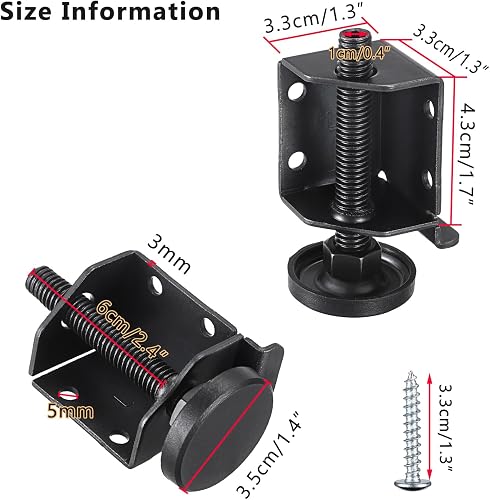
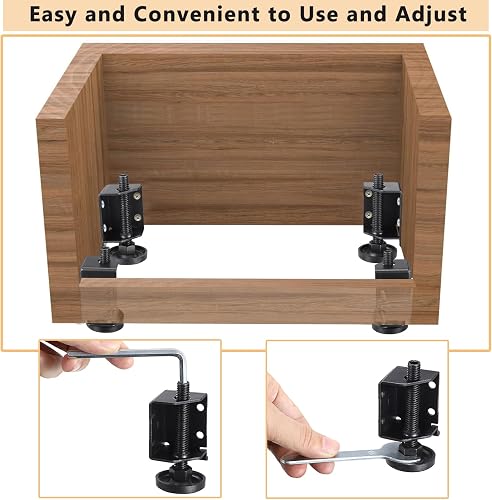
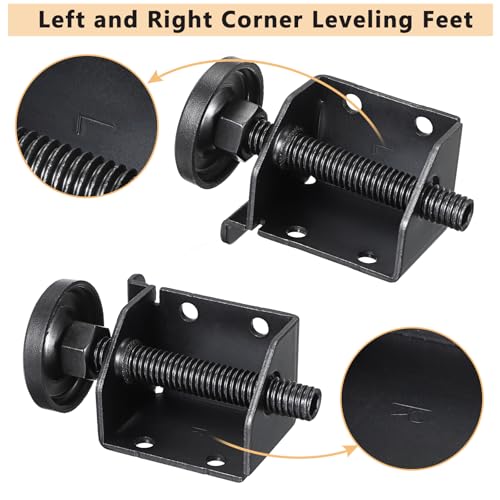
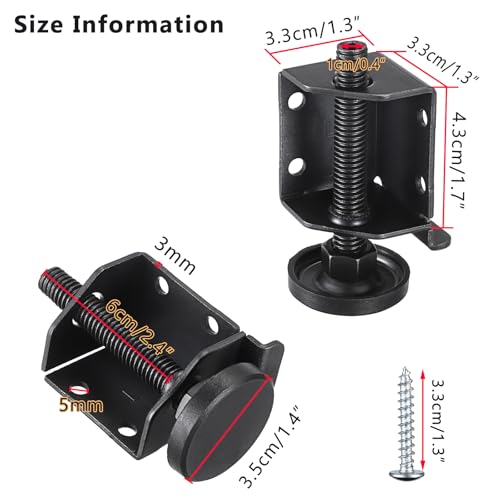
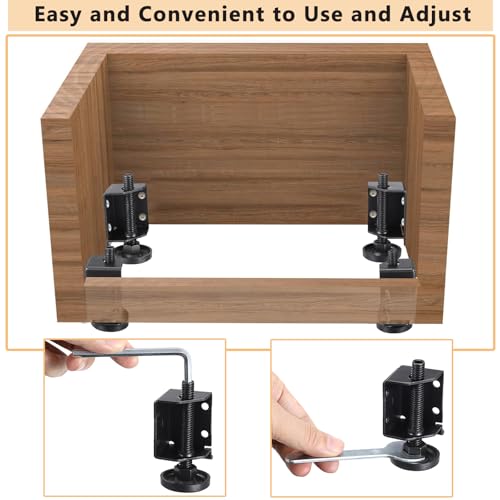
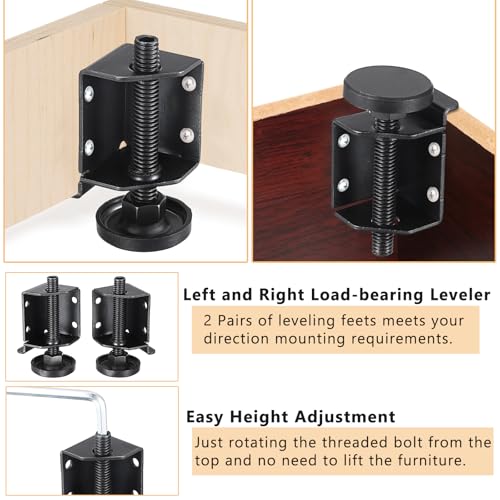
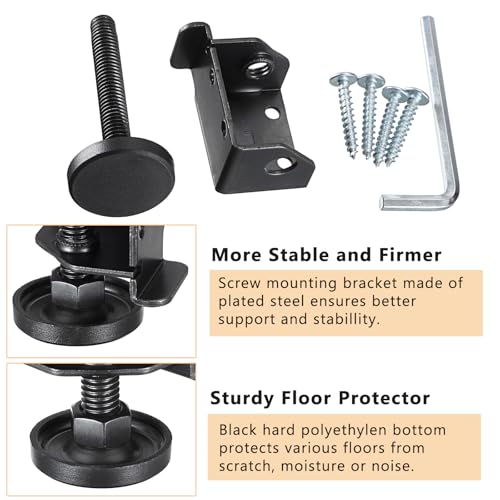
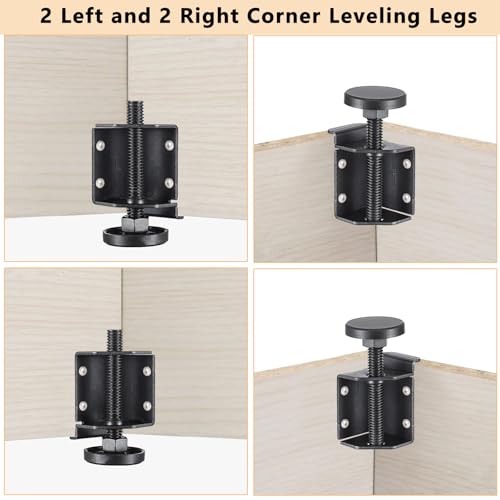
If you would rather replace the feet than keep troubleshooting, a corner mounted option can help spread the load and adjust for irregular floors.
This article contains affiliate links. If you buy through one of our links, TheGarageCrafted may earn a commission at no extra cost to you. Commissions never influence which products we recommend or how we rank them. Read our Affiliate Disclosure for details.

Prime OwnMy Heavy Duty Adjustable Corner Furniture



As an Amazon Associate we earn from qualifying purchases. Product prices and availability are accurate as of the date/time indicated.
When to Skip This and Call a Professional
This type of leveling is not ideal for units that are very tall, heavily loaded, or already showing signs of structural failure. If the shelving is leaning heavily, welds or posts are bent, anchors have pulled out of the wall, or the unit holds hazardous materials and could tip, skip this DIY adjustment. For tall or heavily loaded shelving, always follow the manufacturer’s weight capacity and wall anchoring instructions to prevent tip over, and get help from a qualified installer or handyman if you are unsure about stud locations or proper anchoring.
Frequently Asked Questions
Why does my shelving unit stay level for a day and then start rocking again?
This is often because a leveling foot slowly turns or sinks under load, or a lock nut was not secured. Try adjusting in small increments, then gently snug the lock nut if your model has one, and check that the foot pad is not cracked or compressed. Reloading with weight centered and low can also reduce drift.
Should I use shims or adjustable feet to fix a shelving unit that won’t stay level?
Adjustable feet are usually the cleaner option because you can fine tune height without stacking material that can slip. Shims can work as a temporary check to find the low corner, but they can shift, trap moisture, or crack under heavy loads. If you use a shim to diagnose the spot, try replacing it with a proper adjustable foot for a more stable long term setup.
Can an uneven floor damage my shelving unit over time?
Yes, a unit that rocks or twists can stress joints and cause shelves to sag or connectors to loosen. Keeping the unit level, distributing weight evenly, and anchoring it as directed by the manufacturer can help reduce that stress. If you notice persistent bending, cracking, or leaning, it is a good sign to reduce the load or replace worn hardware.
Browse more picks in our Heavy Duty Shelving & Racking category, or see our related guide on Best Storage Rack for Concrete Wall: 10 Heavy Duty Picks for 2026.





Write Your Review
No reviews yet. Be the first to share your experience!