

Quick Answer
If your welded steel shelving keeps falling, the most common cause is an unanchored frame combined with uneven weight distribution. Try unloading the shelves completely, leveling the unit on a flat, solid floor, securing it to wall studs per the manufacturer’s instructions, and then reloading heavy items low and evenly across each shelf.
Why This Happens
Welded steel frames are strong, but they are also rigid. That rigidity means if one foot is off the floor or one shelf is overloaded on one side, the whole unit can rack, wobble, and eventually tip. Even a small lean gets worse as you add weight up high.
An unanchored unit is a common culprit. Tall, narrow shelving has a high center of gravity, especially when the top shelves hold heavy bins or tools. Without a wall anchor or anti-tip strap into a stud, a bump, an uneven load, or opening a bin can start a fall.
Floor and assembly issues also play a role. Garage floors often slope toward the door for drainage, and expansion joints or cracked concrete can leave feet unstable. Loose leveling feet, missing cross-braces, or a shelf deck that is not fully seated in its frame can let the structure flex under load.
Finally, how you load the shelves matters more than the frame material. Top-heavy loading, placing all the weight on one side, or exceeding the manufacturer’s recommended capacity for a single shelf can cause sagging and sudden collapse. For related leveling problems, see shelving unit Won’t stay Level? 5 fixes before you give up.
Fixes to Try
Work from the safest, easiest checks first. Unload the unit before you adjust anything, and wear gloves when handling steel edges.
- Unload and inspect the frame. Remove everything, then check for bent uprights, cracked welds, missing bolts, or deck clips that are not fully engaged. Tighten all hardware by hand first, then snug it evenly without over-torquing, and replace any bent or missing fasteners with manufacturer-specified parts.
- Level the unit on a solid surface. Place the empty frame where you plan to use it and check for rocking. Adjust leveling feet if present, or use steel shims under the low feet until all four feet sit firmly. If your floor has a noticeable slope, try rotating the unit 90 degrees or choosing a flatter section of floor as described in how to organize boltless shelving on concrete walls.
- Anchor to wall studs. Locate studs with a stud finder and attach the anti-tip hardware or L-brackets supplied with the unit, following the manufacturer’s instructions for fastener type and height. For concrete or block walls, use the correct masonry anchors, and do not rely on drywall anchors alone for tall or heavily loaded shelving.
- Reinstall shelves and braces correctly. Make sure every shelf deck, beam, and diagonal brace is fully seated and locked. On welded units with adjustable clips or pilaster slots, confirm each clip is the same height on all four corners and clicks securely into the slot before loading.
- Reload low, even, and within limits. Place the heaviest items on the bottom shelf and distribute weight evenly from side to side and front to back. Avoid stacking heavy bins above shoulder height, keep the center of gravity low, and follow the manufacturer’s listed capacity per shelf and for the total unit.
If the unit still wobbles after these steps, check that the floor itself is not flexing and that the shelving feet have non-slip pads. A thin rubber mat under the feet can reduce sliding on smooth concrete, but it is not a substitute for proper leveling and wall anchoring. You can also compare frame styles in HOMEDANT black 47.7″ deep 5 tier storage shelves vs heavy duty garage shelving 36″ W x 16″ D x 72″ H to understand how different bracing affects stability.
When to Consider Replacing It
Repair makes sense when the issue is loose hardware, missing anchors, or uneven loading. If welds are cracked, uprights are bent, or shelf decks are warped and no longer sit flat, the frame has lost its structural integrity and shimming or tightening will not restore stability.
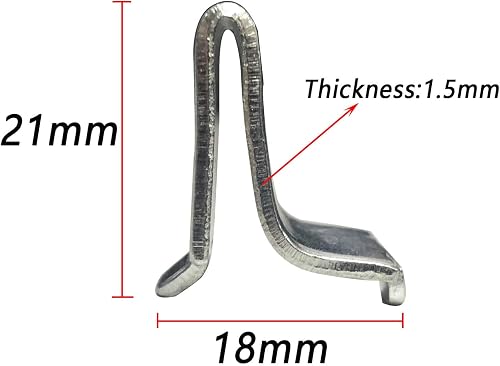
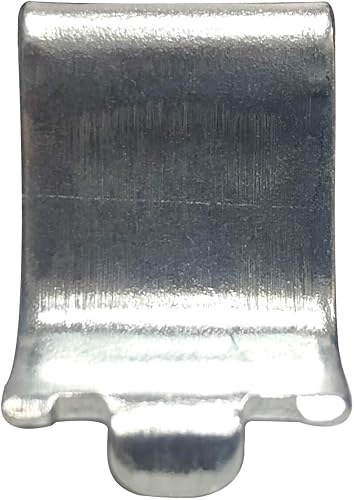
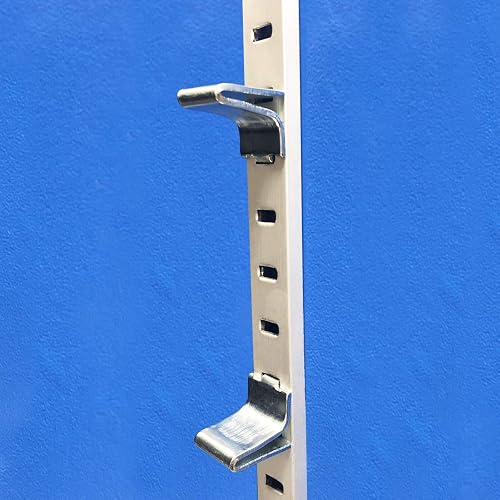
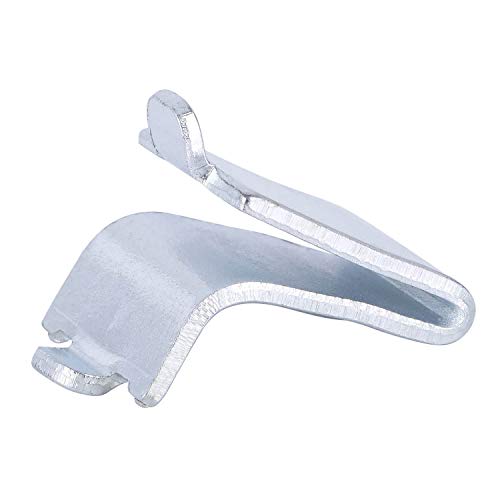
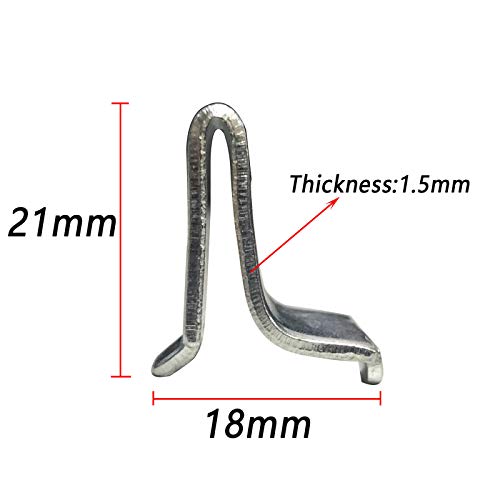
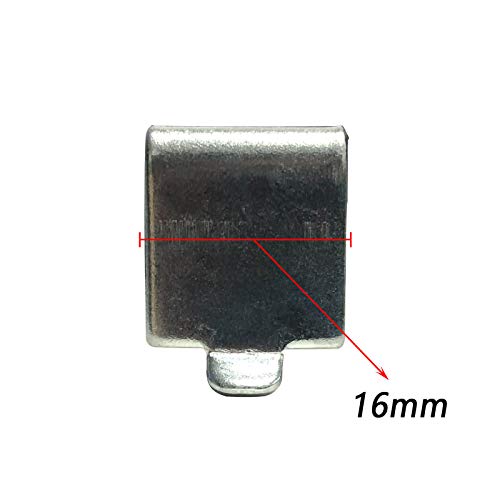
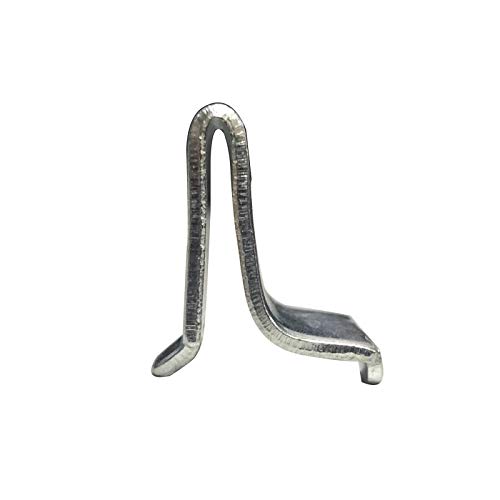
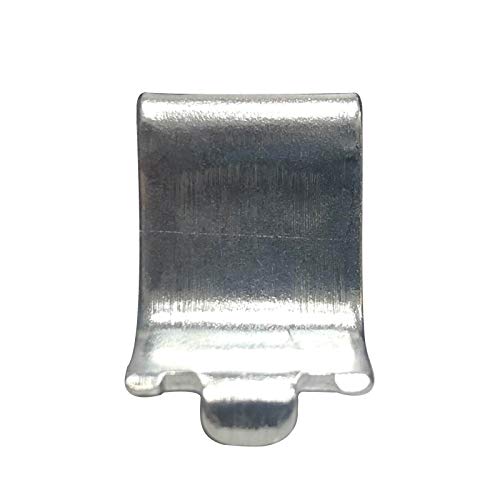
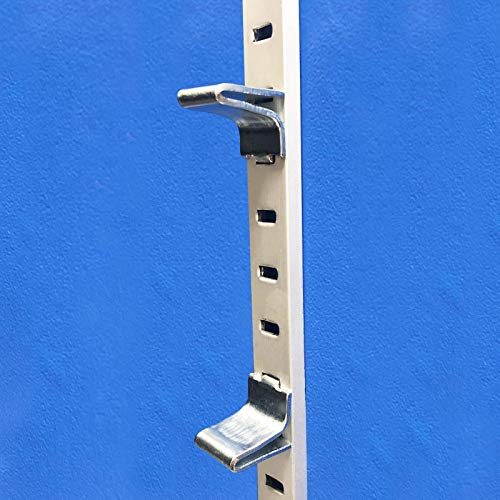
Repeated falling can also damage clips and slots so they no longer hold securely. If you have straightened, tightened, leveled, and anchored the unit and it still racks or shelves slip out of position, it may be time to replace worn hardware or the unit itself. If you would rather replace small worn parts than keep troubleshooting, one option is the Adjustable Steel Pilaster Shelf Support Clips -14, which are designed for pilaster-style systems and may help restore a secure shelf seat when the original clips are lost or deformed.
This article contains affiliate links. If you buy through one of our links, TheGarageCrafted may earn a commission at no extra cost to you. Commissions never influence which products we recommend or how we rank them. Read our Affiliate Disclosure for details.

Prime Bueyfolt Adjustable Steel Pilaster Shelf Support





As an Amazon Associate we earn from qualifying purchases. Product prices and availability are accurate as of the date/time indicated.
When choosing any replacement, confirm it matches your exact shelving system, slot size, and gauge, and that it is rated for your intended load. Mixing incompatible clips or brackets can create a false sense of security and lead to another fall.
When to Skip This and Call a Professional
This DIY approach is not ideal for units that have already caused injury, damaged a wall, or show failed welds and severely bent uprights. It is also not a good fit if you need to anchor into questionable concrete, cannot locate solid studs, or are storing extremely heavy or hazardous materials up high. For tall or heavily loaded shelving, always follow the manufacturer’s weight capacity and wall-anchoring instructions to prevent tip-over, and consult a qualified professional or the manufacturer if the frame is structurally compromised. Do not attempt to reweld a failed frame or create custom overhead anchoring as a workaround.
Frequently Asked Questions
Why does my welded steel shelving keep falling forward even when it looks level?
Forward tipping is often top-heavy loading or a missing wall anchor rather than a leveling issue. Try moving heavy items to the lowest shelf, keeping weight centered, and securing the top of the frame to wall studs with the supplied anti-tip hardware.
Can I fix wobbling without drilling into the wall?
You can reduce wobble by leveling the feet, tightening all braces, and loading weight low and evenly, but freestanding tall shelving remains prone to tipping without wall anchoring. If drilling is not possible in your space, consider a shorter, wider unit with a lower center of gravity and follow the manufacturer’s guidance for freestanding use.
How do I know if the floor is the problem?
Try placing the empty unit on a known flat area and check for rocking, then use a level across the top. If the wobble disappears on flat ground but returns in its usual spot, the floor slope or an uneven joint is likely contributing, and you may need to relocate the unit or use proper shims and anchoring.
Browse more picks in our Heavy Duty Shelving & Racking category, or see our related guide on Boltless Shelving vs Storage Rack Compared.



Write Your Review
No reviews yet. Be the first to share your experience!