

Quick Answer
To fix a wobbly welded steel shelving unit, first make sure all four feet sit solidly on a level surface, then check for a cracked weld or loose brace. Most wobble comes from an uneven garage floor or one failed joint that lets the frame rack diagonally. Try leveling the feet and shimming the low corner, then inspect and reinforce any moving joint before you decide to replace the rack.
Why This Happens
Welded steel shelving is built to be rigid, so it has very little ability to flex and absorb an uneven surface. Unlike bolt-together shelving where you can retighten nuts and bolts, a welded frame relies on the welds themselves to keep the rectangle square. If one foot is even slightly off the floor or one weld has developed a hairline crack, the entire top will sway when you push it or load it unevenly.
Garage floors are a common culprit. Most concrete slabs have a slight slope for drainage and small dips or high spots from finishing, which means one leg may hover just enough to create a diagonal rock. Add heavy storage that is stacked higher on one side, and the frame can twist a little over time. That twist makes the wobble more noticeable when the upper shelves are loaded, even if the unit felt stable when empty.
Impact and overloading can also break the stiffness at the joints. Dragging the unit across the floor, hitting it with a vehicle or cart, or repeatedly overloading a single shelf can crack a weld where the leg meets the shelf support or bend a thin cross brace. You may not see the damage right away, but you will feel movement at that corner and often hear a faint creak. For related leveling issues, see shelving unit Won’t stay Level? 5 fixes before you give up.
Missing anchors and worn foot pads make the problem worse. Tall, narrow welded racks have a high center of gravity, so without a wall anchor or proper foot caps they will sway when you load or unload them. Some manufacturers design these units to be anchored to studs or to concrete walls for stability, so check your manual to see if anchoring was intended for your model and height.
Fixes to Try
- Empty the unit completely and check both the floor and the frame for level. Place a level on the top frame front to back and side to side, then check the floor under each foot to find the low spot that is causing the rock.
- Adjust the feet or shim the base correctly. If your shelving has adjustable leveling feet, turn them until all four make firm contact and the top reads level. If it has fixed feet, use hard plastic or metal shims rated for heavy furniture under the low leg, not soft wood that can compress or slip.
- Inspect every weld and brace for cracks or movement. With the unit empty, gently push the top corner diagonally and watch each leg-to-shelf joint closely. If you see flex, separation, or hear creaking at one joint, mark it and avoid loading that area until it is stabilized.
- Add stability to a loose joint without welding. For light duty joints where the base material can accept screws, you can bridge a cracked or flexing area with a flat mending plate or corner brace using appropriate screws for metal and pre-drilled pilot holes. Keep the plate flat, use all holes, and make sure it does not block shelf adjustment clips.
- Anchor the unit and reload it evenly. Once the base is solid, secure tall units to wall studs with a shelving anchor strap or L-bracket designed for storage racking, then place heavier items on the lower shelves and distribute weight evenly side to side. For layout ideas on uneven concrete, see how to organize boltless shelving on concrete walls.
When to Consider Replacing It
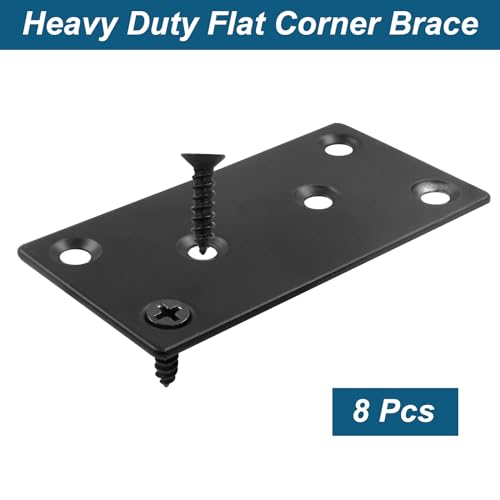
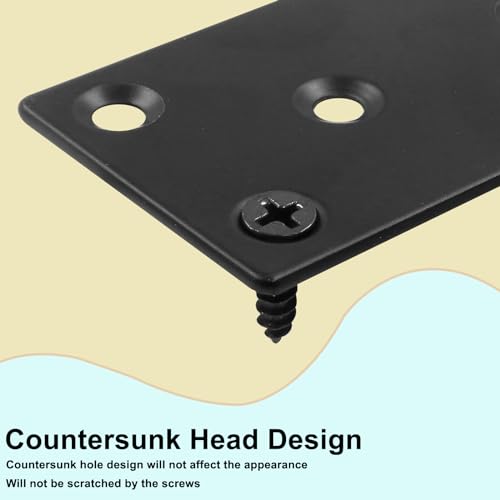
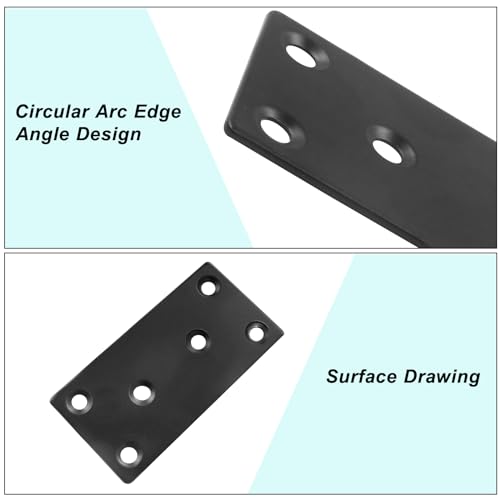
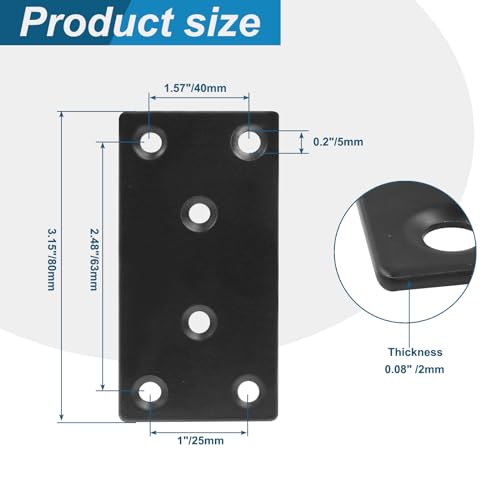
If a main leg weld is fully broken, the frame is visibly twisted out of square, or the wobble comes back right after leveling and bracing, repair is often no longer practical. Repeated flexing can widen a crack and make the unit less predictable under load. If you would rather reinforce a single loose joint than replace the entire rack, one practical option is the BokWin 6Pcs Mending Bracket Plate, 80x40x2mm, which offers a stainless steel flat plate with countersunk holes and included screws to help bridge a small, accessible joint when the material can hold fasteners. You can also compare systems in HOMEDANT black 47.7″ deep 5 tier storage shelves vs heavy duty garage shelving 36″ W x 16″ D x 72″ H if a new frame makes more sense.
This article contains affiliate links. If you buy through one of our links, TheGarageCrafted may earn a commission at no extra cost to you. Commissions never influence which products we recommend or how we rank them. Read our Affiliate Disclosure for details.

Prime BokWin 6 Pack Black Stainless Steel Mending Plates


As an Amazon Associate we earn from qualifying purchases. Product prices and availability are accurate as of the date/time indicated.
When to Skip This and Call a Professional
This type of DIY leveling and bracing is not ideal for units that are over six feet tall, heavily loaded, visibly leaning, or that have multiple broken welds on load-bearing legs. Tall and heavily loaded shelving can tip over and cause serious injury, so always follow the manufacturer’s weight capacity and anchoring instructions and anchor the shelving to the wall to prevent tip-over. If a structural weld has failed, the frame is bent, or the repair would require welding structural steel, skip this and have a qualified welder or installer assess the rack rather than trying a temporary screw fix.
Frequently Asked Questions
Why does my welded steel shelving wobble even on flat concrete?
Even concrete that looks flat often has a slight slope or a small dip under one foot, and a rigid welded frame will rock diagonally instead of flexing. Try checking each foot with a level and also inspect for a cracked weld that lets one corner move on its own.
Can I fix a cracked weld on steel shelving without welding?
You can sometimes stabilize a small crack in a light duty area by bridging it with a flat mending plate and screws if the surrounding metal is thick enough to hold fasteners. This is not a structural weld repair, so if the crack is on a main leg or a shelf support that carries heavy weight, have a professional welder evaluate it.
Should I anchor wobbly welded shelving to the wall to stop the wobble?
Anchoring to wall studs can greatly reduce sway in tall units when the manufacturer recommends it, but it will not correct an uneven base or a broken joint. Level the base and address any loose joint first, then add a proper anchor strap or bracket as a final stability step.
Browse more picks in our Heavy Duty Shelving & Racking category, or see our related guide on Boltless Shelving vs Storage Rack Compared.



Write Your Review
No reviews yet. Be the first to share your experience!