

Quick Answer
If your freestanding garage shelving is sagging, the most common cause is too much weight concentrated in the center of a shelf or on one level. Try unloading the shelf completely, confirming every connector and clip is fully seated, then reloading with the heaviest items low and weight spread evenly toward the uprights.
Why This Happens
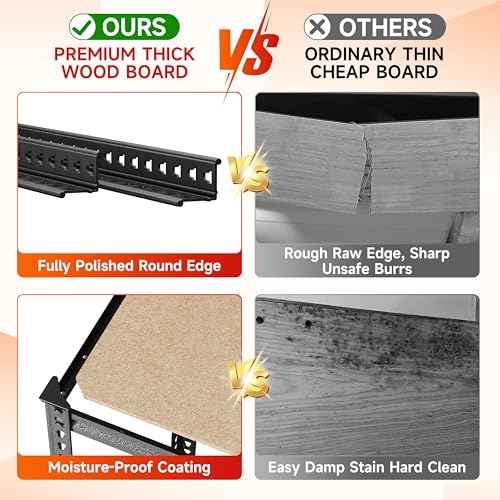
Freestanding boltless shelving relies on even weight distribution and tight connections. When you place a heavy tote or tool box in the middle of a shelf deck, the board can bow over time, even if the total load seems reasonable. Particle board and MDF decks are especially prone to this kind of sag.
Loose or partially seated connectors are another frequent culprit. Many units use a snap lock or rivet system that can look connected but is not fully locked. If a beam has slipped down a notch on one side, that shelf will tilt and sag under load. Humidity in a garage can also soften wood decks and make sagging worse.
An unlevel floor makes the problem more visible. Concrete often slopes slightly for drainage, so a shelf that is not shimmed or leveled can lean and put extra stress on one corner or beam. For more on getting a level base, see shelving unit Won’t stay Level? 5 fixes before you give up.
Finally, overloading a single shelf while leaving others empty overloads that deck and the beams supporting it. Even sturdy steel frames can flex if one shelf carries most of the weight. Spreading the load across multiple levels and keeping weight near the vertical posts reduces the leverage that causes bowing.
Fixes to Try
Work from the simplest checks first. Always unload shelves before you adjust clips or move the unit, and follow the manufacturer’s instructions for weight limits and assembly.
- Unload and inspect every shelf. Remove everything, check the deck for permanent bow or cracks, and look for loose clips, bent beams, or missing support ribs underneath. Flip a mildly bowed wood board over so the crown faces up, it may settle flatter with a lighter, more balanced load.
- Reseat all connectors and beams. With the shelf empty, tap each beam and upright connection until you hear and feel it lock. Confirm both ends of each beam are on the same notch height. Tighten any included foot pads and add shims under the feet if the floor is uneven.
- Redistribute weight low and to the edges. Place the heaviest bins, paint cans, and tools on the bottom shelf. On each level, keep heavy items near the posts and lighter items in the center. Avoid stacking all your weight on one shelf.
- Reinforce the deck. Add a center support if your model includes one, or place a length of plywood over the existing deck to spread the load. For boltless systems, adding the manufacturer supplied center brace or support rib can reduce flex. See ideas for arranging weight in how to organize boltless shelving on concrete walls.
- Anchor and stabilize the unit. Once level, use the wall fixing kit or anti tip strap if provided and secure it to a solid wall stud following the included hardware guidance. This does not fix a sagging board, but it prevents wobble and keeps the frame square so shelves stay supported evenly.
If the deck is still bowed after you reload it lightly, that board has likely taken a permanent set. Try swapping it with a less loaded shelf higher up, or replace just that deck with the same thickness and material recommended by the maker.
When to Consider Replacing It
Repair makes sense when the frame is straight and only one deck is sagging or a clip is loose. If multiple decks are warped, beams are bent, uprights are deformed, or rust has weakened the joints, reinforcing one part will not restore overall stability and you will keep chasing the sag.
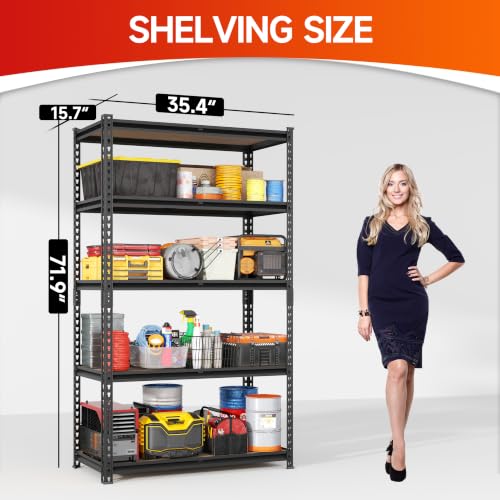
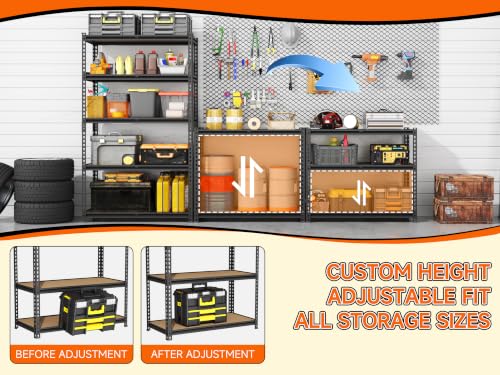
If you would rather replace the unit than keep troubleshooting, look for a design with double layer columns, reinforced beams, and adjustable shelf heights that let you spread weight more effectively. Comparing systems can help you choose the right depth and height, like in HOMEDANT black 47.7″ deep 5 tier storage shelves vs heavy duty garage shelving 36″ W x 16″ D x 72″ H
This article contains affiliate links. If you buy through one of our links, TheGarageCrafted may earn a commission at no extra cost to you. Commissions never influence which products we recommend or how we rank them. Read our Affiliate Disclosure for details.

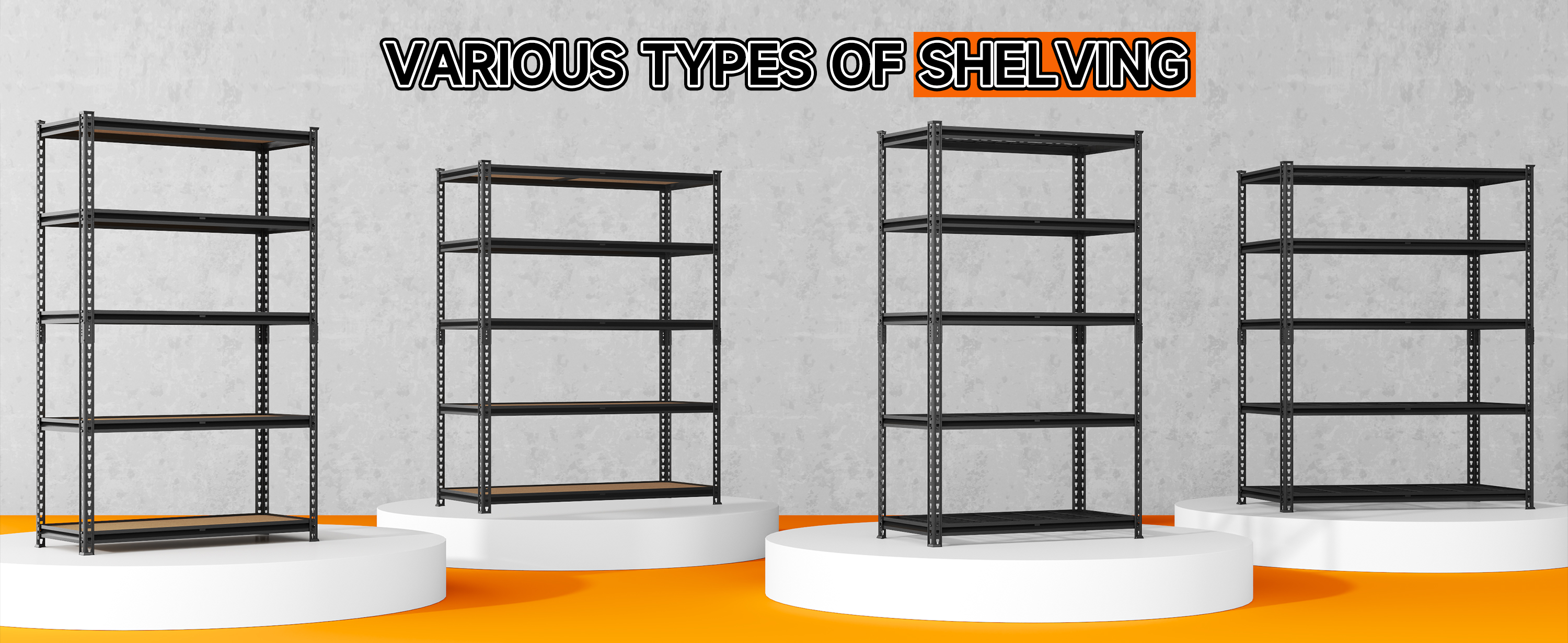
Prime LONGLINK 72 Inch 5-Tier Heavy Duty Garage Shelving



As an Amazon Associate we earn from qualifying purchases. Product prices and availability are accurate as of the date/time indicated.
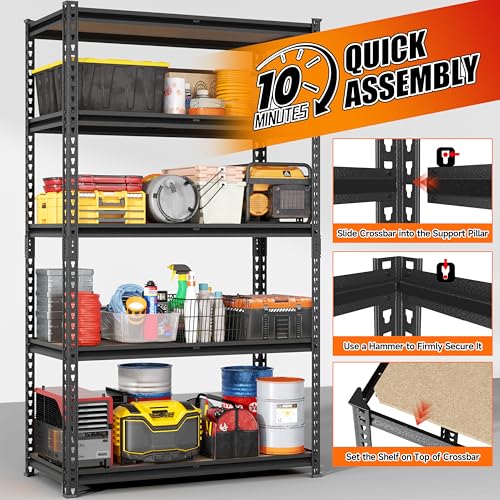
One practical option with those features is the 72”H Garage Shelving 3000lbs Garage Storage, which offers a snap on assembly, adjustable heights, and double column steel construction that helps distribute weight more evenly. Consider it if your current frame is no longer square or decks stay bowed even with light loads.
When to Skip This and Call a Professional
These DIY checks are not ideal for tall, heavily loaded, or wall anchored racking that is leaning, swaying, or at risk of tipping. If the unit is over six feet tall, holds very heavy equipment, shows cracked welds, or needs to be anchored into masonry or concrete, skip this and follow the manufacturer’s weight capacity and anchoring instructions closely. For any situation where tip over could cause injury or where you are unsure about proper wall anchors, consult a qualified professional and anchor shelving to the wall to prevent tip over rather than improvising a workaround.
Frequently Asked Questions
Why is my freestanding garage shelving sagging in the middle?
The center of the shelf carries the most leverage, so weight placed there causes the most bow. Try moving heavy items toward the uprights, keeping the heaviest loads low, and confirming support ribs or center braces are installed as directed.
Can I flip the shelf board over to fix the sag?
You can try flipping a mildly bowed wood deck so the bow faces upward, then reload it with a lighter, balanced load. If the board is cracked, delaminated, or stays bowed after flipping, it has likely taken a permanent set and should be replaced.
Should I anchor freestanding shelving to the wall?
Yes, if your unit includes a wall fixing kit, use it. Anchoring helps keep the frame square and plumb, which lets shelves support weight evenly and reduces wobble. Always anchor into a stud or appropriate masonry anchor per the manufacturer’s guidance and keep loads within the rated capacity.
Browse more picks in our Heavy Duty Shelving & Racking category, or see our related guide on Boltless Shelving vs Storage Rack Compared.






Write Your Review
No reviews yet. Be the first to share your experience!