

Quick Answer
If your boltless steel shelving wobbles, the most common cause is that one or more rivets or tabs are not fully seated and the unit is not level on the floor. Try emptying the shelves completely, tapping each beam down firmly with a rubber mallet near every post until you feel it lock into the narrow part of the keyhole, then check the frame with a level and shim under the feet if needed. Most wobble comes from a partially engaged connection or an uneven garage floor, not from a bent or defective frame, and reseating plus leveling usually steadies the unit without extra hardware.
Why This Happens
Boltless shelving relies on gravity and friction rather than bolts. The upright posts have keyhole slots and the horizontal beams have rivets that drop into the wide part of the slot and then slide down to lock. If a rivet is only halfway down, that corner will flex and the whole bay will rack side to side when you add weight or bump it.
Garage floors are rarely perfectly flat. A small dip, crack, or slope under one foot can make a tall, narrow unit rock, and even a slight difference at the base is amplified at the top shelf. This is a common reason a shelving unit won’t stay level after assembly, especially if the heaviest bins are stored up high where the center of gravity is raised.
Missing, upside down, or misaligned components also create movement. Wire decks or particle board panels installed backward, beams placed on the wrong slot level, forgotten plastic feet, or omitted center supports and cross braces can leave gaps that let the frame twist. Overloading one side or concentrating heavy totes on upper shelves makes any small looseness feel much worse.
Connections can also loosen over time with use. Repeated loading, dragging the unit across concrete, or bumping it with a vehicle can work joints loose. If you are planning layout against masonry, this guide on how to organize boltless shelving on concrete walls shows how wall proximity and anchoring affect overall stability and access.
Fixes to Try
- Empty the unit completely and check the floor. Place a level on the front and side beams, then try hard plastic shims under the feet until all four feet sit solidly without rocking, and avoid soft wood shims that can compress under load.
- Reseat every connection. Lift each beam slightly, align the rivets with the wide part of the keyholes, drop them in evenly on both posts, then tap down firmly with a rubber mallet on the beam close to each post until it stops moving and feels locked.
- Confirm shelf orientation and bracing. Make sure deck panels sit flush inside the beam ledges facing the correct direction, and check that any center supports, cross braces, or back panels shown in the instructions are installed and fully engaged.
- Square the frame before reloading. Measure diagonally from corner to corner on the top level and gently adjust the frame until both diagonal measurements match, then if your model includes a wall anchor bracket, secure tall units to wall studs following the manufacturer’s instructions.
- Reload with weight low and evenly distributed. Place the heaviest totes and tools on the bottom shelf, balance weight side to side and front to back, and avoid stacking heavy bins on the top shelf where leverage increases wobble.
When to Consider Replacing It
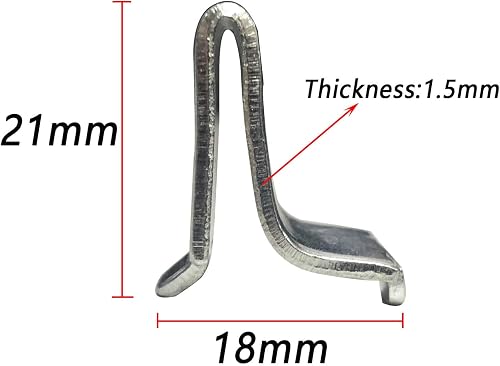
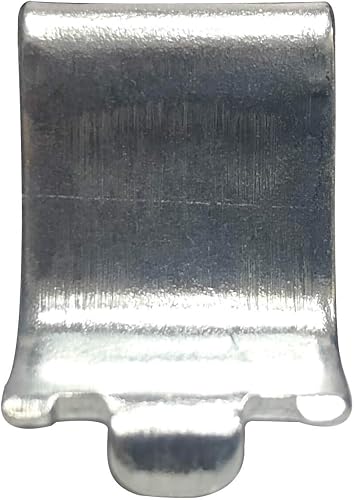
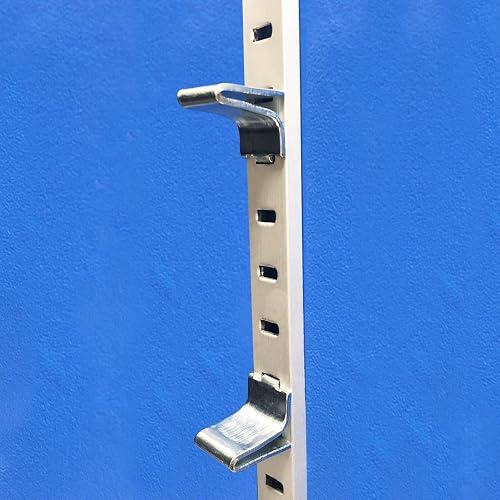
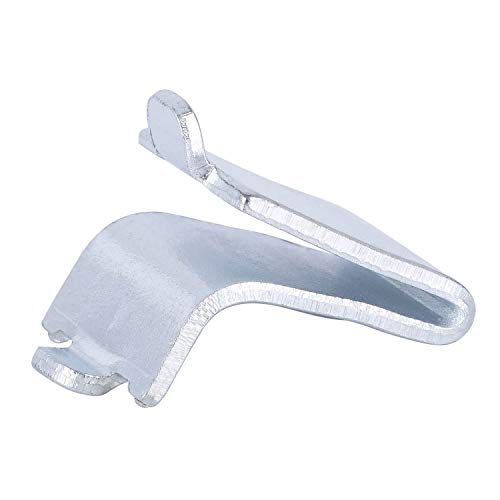
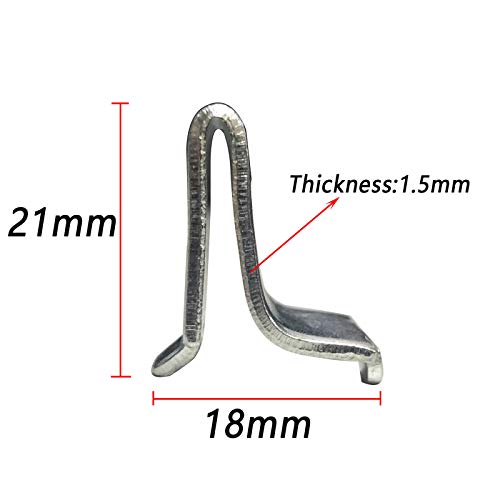
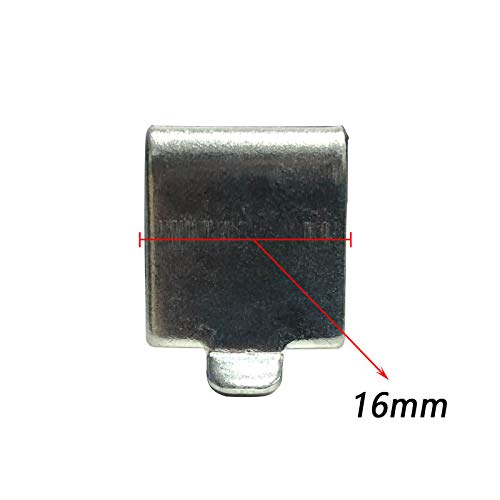
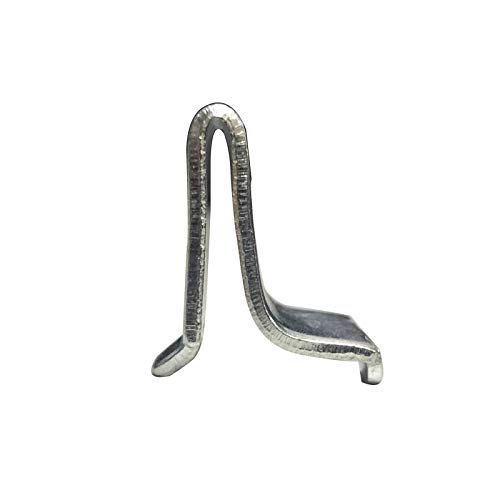
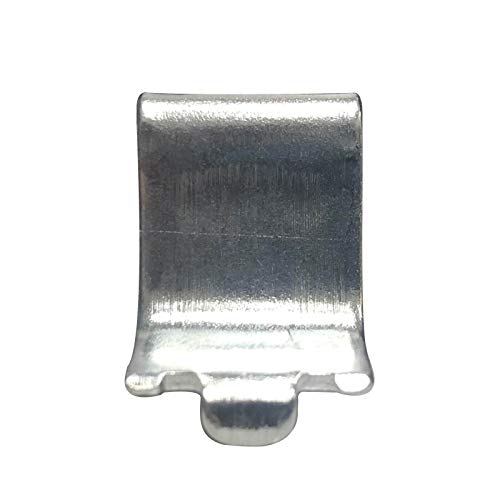
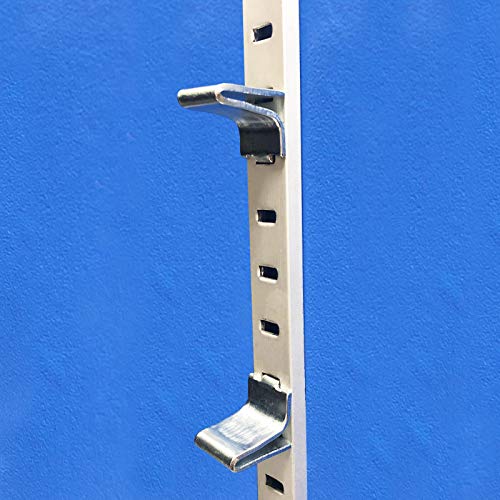
If posts are bent, keyhole slots are enlarged or cracked, rivets are deformed, or the unit still racks after reseating and leveling, repair may not be worth the effort. Small hardware like clips and supports can sometimes restore a single shelf level, but a twisted frame or damaged uprights will keep wobbling. If you would rather replace worn connection points than keep troubleshooting, one practical option is the boltless shelving vs storage rack comparison to see which system fits your space, and consider hardware like this as a replacement part:
This article contains affiliate links. If you buy through one of our links, TheGarageCrafted may earn a commission at no extra cost to you. Commissions never influence which products we recommend or how we rank them. Read our Affiliate Disclosure for details.

Prime Bueyfolt Adjustable Steel Pilaster Shelf Support





As an Amazon Associate we earn from qualifying purchases. Product prices and availability are accurate as of the date/time indicated.
When to Skip This and Call a Professional
This type of leveling and reseating is not ideal for tall, heavily loaded, or wall anchored shelving that is at risk of tipping, or for any unit that must be secured to concrete or ceiling joists to prevent collapse. If the shelving is over six feet tall, holds very heavy items, leans, or pulls away from the wall, skip this DIY approach and follow the manufacturer’s weight capacity and anchoring instructions closely, and consult a qualified professional for proper wall anchoring to prevent tip over. Do not add makeshift braces or overload beyond the rated capacity.
Frequently Asked Questions
Why does my boltless shelving wobble even on a flat floor?
One common cause is a rivet that looks seated but is still resting in the wide part of the keyhole. Try lifting and retapping each beam so all four corners lock evenly, then recheck the frame for square before you reload it.
Should I use a rubber mallet or a metal hammer to fix wobble?
Use a rubber mallet and tap on the beam near the post, not on the post itself. A metal hammer can deform the rivet or chip the finish, which can make future adjustments harder and increase the chance of rust.
Do I need to anchor boltless shelving to the wall?
Many manufacturers recommend anchoring tall or narrow units to wall studs to reduce tip over risk, especially in garages where floors are uneven and loads are heavy. If your unit came with an anchor strap or bracket, follow the included instructions and make sure it hits a stud, and if not, check the manual for the approved method for your model.
Browse more picks in our Heavy Duty Shelving & Racking category, or see our related guide on Boltless Shelving vs Storage Rack Compared.




Write Your Review
No reviews yet. Be the first to share your experience!