

Quick Answer
If your wire shelving unit won’t stay mounted, the most common reason is that the wall clips or anchors have loosened in drywall and can no longer grip the shelf. The shelf may also be loaded toward the front edge or the clips may not match the wire diameter, so they pop out under weight. Try emptying the shelf, checking each clip for cracks or movement, and confirming whether the screws are in studs or just drywall before you replace anything.
Why This Happens
Most closet and pantry wire shelving relies on small plastic wall clips that hold the back edge of the shelf to the wall. These clips work well when they are screwed into a stud or paired with the correct drywall anchor, but they can loosen if the anchor was undersized or installed in soft drywall alone. Even a small amount of outward pull from everyday loading can cause the clip to flex and the anchor hole to widen.
Overloading or uneven loading adds leverage that pulls the back clips outward. Wire shelves carry weight well along the wires, but the wall connection carries a lot of force when heavy bins or boxes sit near the front edge. If you have only a few clips on a long span, each clip carries more force than it was intended to handle, which makes it more likely to work loose over time.
Mismatched or damaged clips are another frequent cause of a shelf that will not stay put. Many systems use clips sized for a specific wire gauge, and a clip that is too loose will not snap securely around the wire. Cracked plastic from age, sunlight, or overtightening can reduce holding power, so the shelf may seem mounted at first and then sag or release after you load it. If your unit also wobbles at the floor, review shelving unit Won’t stay Level? 5 fixes before you give up to address base stability alongside wall mounting.
Wall material also matters. Drywall alone cannot hold much pull-out force, and concrete, plaster, or hollow block walls need a different anchor type than standard plastic expansion tubes. Humidity, repeated bumping when you slide items on and off, and seasonal movement can gradually loosen screws. For hard surfaces, how to organize boltless shelving on concrete walls offers ideas for choosing anchors that are better suited to masonry.
Fixes to Try
Start with the least invasive checks and work toward more secure anchoring. Empty the shelf first so you can see movement without weight hiding the problem.
- Remove everything from the shelf and gently move each wall clip to check for play. Look for cracked plastic, stripped screws, or anchors that spin in the wall, and note which locations feel loose.
- Locate studs with a stud finder and see where your current clips fall. If possible, try shifting at least some clips to align with studs, since wood framing holds screws far more securely than drywall alone.
- Replace failed drywall anchors with the correct size and type for your wall. For drywall, use anchors rated for shelving loads and follow the anchor maker’s instructions for hole size, and avoid reusing a widened hole without patching or moving the clip slightly.
- Add more clips along the back edge if your span has large gaps. Many makers suggest a clip about every 12 inches and one near each end, which helps spread the load so no single clip carries too much force.
- Re-seat the shelf wire fully into each clip and confirm the clips match your shelf. The wire should snap in with light pressure and not rattle, and leveling feet or floor supports should be adjusted so the shelf is not leaning forward and pulling on the wall clips.
After adjustments, reload the shelf gradually and watch the clips for flex or movement. Keep heavier items toward the back and avoid hanging weight from the front edge. If you are comparing wall-mounted wire shelves to freestanding options, the Heavy Duty Shelving & Racking overview can help you decide when a freestanding unit with wall tethering is a better fit than a fully wall-supported shelf.
When to Consider Replacing It
If clips keep cracking, anchors keep pulling out of the same holes, or the wire coating is bent where it meets the clips, repair may not hold for long. Repeated patching of drywall weakens the area, and a shelf that has been overloaded may have deformed wires that no longer seat properly. At that point, replacing the clips or the mounting hardware is often more reliable than continuing to reuse damaged parts.
This article contains affiliate links. If you buy through one of our links, TheGarageCrafted may earn a commission at no extra cost to you. Commissions never influence which products we recommend or how we rank them. Read our Affiliate Disclosure for details.

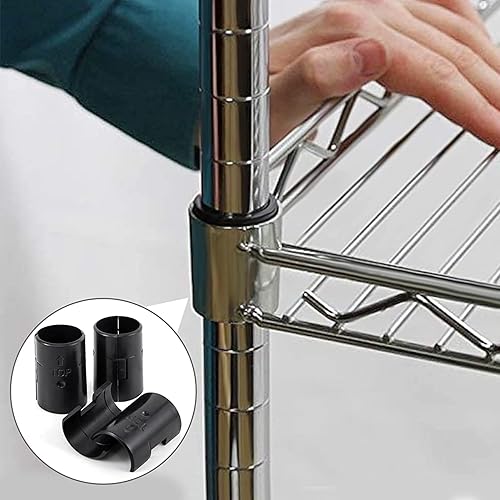
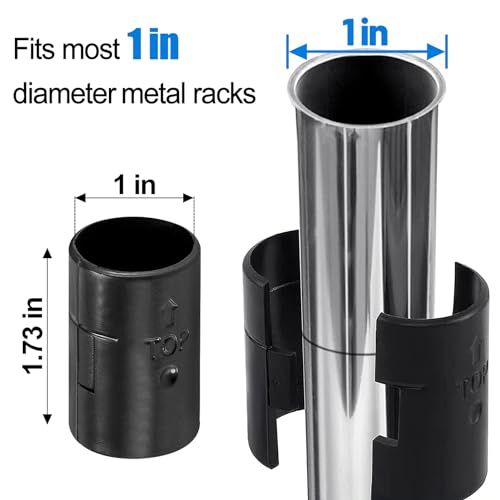
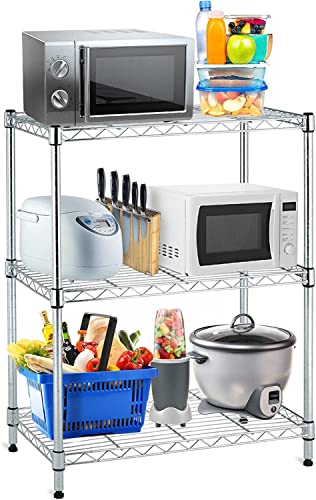
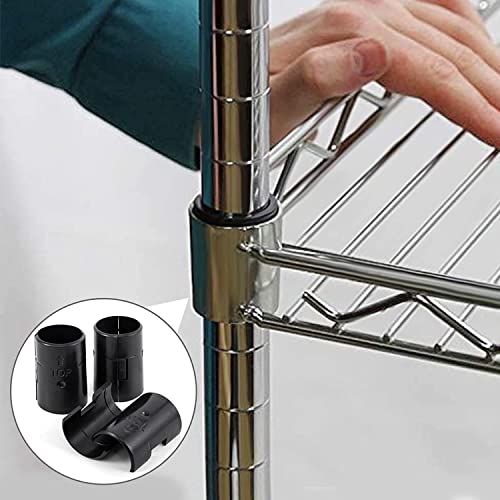
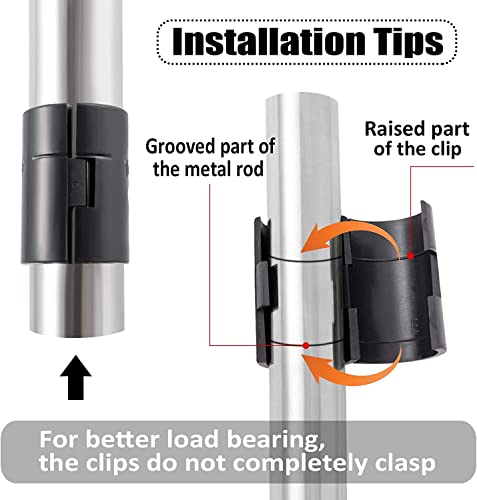
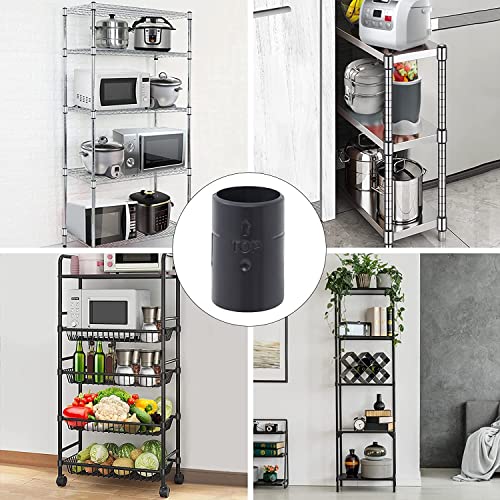
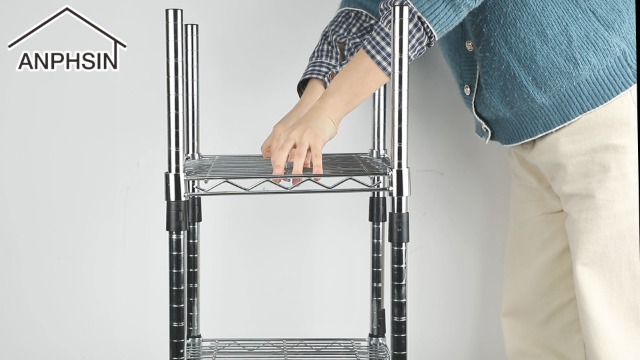
Prime ANPHSIN 24Pcs Wire Shelving Clips for 1 Inch Post




As an Amazon Associate we earn from qualifying purchases. Product prices and availability are accurate as of the date/time indicated.
If you would rather replace the hardware than keep troubleshooting, a clip set sized for your system can be a practical option. For example, the 24Pcs Wire Metal Shelving Clips for 1″ Post is designed as a replacement for 1-inch post systems and can help you avoid replacing the whole unit when only the sleeves or clips have failed. Match the diameter and style to your existing shelving before ordering, and follow the included guidance for spacing and installation.
When to Skip This and Call a Professional
This type of wall-mounted wire shelving is not ideal for very heavy or tall storage, and it is not a good fit for walls where you cannot find solid anchoring. If the shelf must hold bulky garage items, if the unit is tall enough to tip, or if the wall is plaster, concrete, or otherwise difficult to anchor securely, skip this DIY re-anchoring and follow the manufacturer’s weight capacity and wall-anchoring instructions closely. For tall or heavily loaded shelving, always anchor the unit to prevent tip-over per the maker’s instructions, and consult a qualified professional if you are unsure about wall structure or load limits.
Frequently Asked Questions
Why does my wire shelf keep falling off the wall clips?
One common cause is that the wire is not fully seated in the clip or the clip size does not match the wire gauge, so it pops out under load. Check for cracked clips and confirm the wire snaps in securely, and try reducing front-edge weight that pulls the shelf outward.
Can I mount wire shelving with only drywall anchors and no studs?
You can, but drywall alone holds less pull-out force, so the choice of anchor and the number of clips matters. Try to hit at least one or two studs along the span, use anchors rated for shelving loads where you cannot, and keep the load lighter and pushed toward the back of the shelf.
How do I know if I need new clips instead of just new anchors?
If the plastic is cracked, discolored, or the snap no longer grips the wire tightly, new anchors alone will not solve it. Also check whether the clip matches your post diameter and wire size, since a loose fit will keep slipping even with fresh anchors.



Write Your Review
No reviews yet. Be the first to share your experience!