

Quick Answer
If a dropped adjustable dumbbell cracked the plastic shell, set it back in its tray and do not lift with it until you confirm the locking mechanism still holds. One common cause of trouble after a drop is a shifted dial or a loose plate tab hidden under that cracked cover, not just the cosmetic crack itself. If the dial turns smoothly and every plate stays seated, you can plan cosmetic care, otherwise keep it out of service. Keep children and pets away from the damaged side until you finish your checks.
Why This Happens
Most adjustable dumbbells use a thin plastic housing around solid metal plates and internal locking tabs. That shell keeps dust out and guides the handle into the tray, but it is not designed to absorb a direct hit on concrete. When you drop one from bench height onto a hard garage slab, the energy concentrates on a corner and the plastic splits while the metal underneath often survives. That is why the cover often cracks first while plates and handle remain usable.
A second common issue is dial or selector misalignment after impact. Even if the crack looks small, the drop can nudge the internal cams or push grit into the selector grooves. You may notice the dial feels stiff, clicks past its mark, or one end picks up a different number of plates than the other. Forcing a jammed dial can chip internal tabs and turn a minor issue into an unsafe lock failure.
Garage conditions can make the shell more brittle over time. Cold air, heat swings, and sun from an open door can dry out plastic, so a drop that once left only a scuff now leaves a crack. Add dust buildup around the tray and the handle may sit slightly high, which increases wobble. Good garage floor protection and clean trays help reduce repeat impacts. Wiping trays clean and keeping mats dry helps the handle seat fully and absorb minor bumps.
Storage habits also play a role. Handles left on a bench edge, balanced on a plate stack, or carried without docking can roll off with surprising force. Unlike fixed hex dumbbells, selectorized handles have hollow covers and tight tolerances, so even a short fall can crack a seam. Docking each handle after every set lowers the odds of another drop. A consistent home for each handle also makes it easier to spot new damage early.
Fixes to Try
- Place both handles back in their trays on level flooring and visually check the crack without touching moving parts. Look for missing chips, lifted edges, or gaps where you can see internal gears, and note whether dial numbers still line up on both ends.
- Slowly rotate the dial through its full range with no load and listen for grinding or skipping. If it moves smoothly and plates lift evenly, the lock path is likely clear, if it sticks, remove dust with a soft brush and reseat the handle fully before trying again.
- Check every plate for looseness by nudging each end with your hand while the handle is docked. If any plate rattles, lifts unevenly, or stays in the tray when it should lift, stop using that side and keep the set docked.
- For a small hairline crack with solid locking, smooth sharp edges lightly and cover the line with strong tape to keep sweat and dust out. Consider this cosmetic care only, not a structural repair, and recheck the crack after each workout for spreading.
- Prevent the next drop by adding a rubber mat under your training spot and committing to a dock after every set habit. Review your layout with ideas for organizing a 2-car garage so benches, trays, and walk paths do not crowd each other.
When to Consider Replacing It
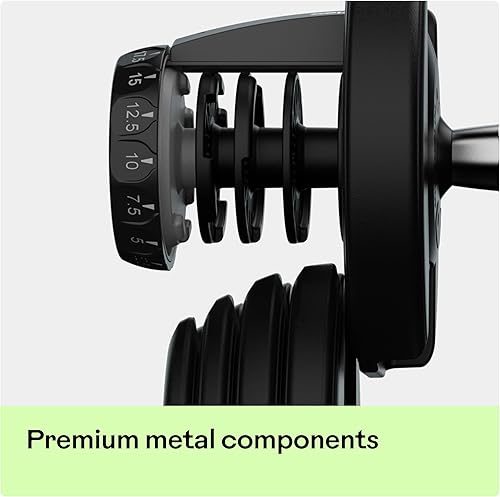
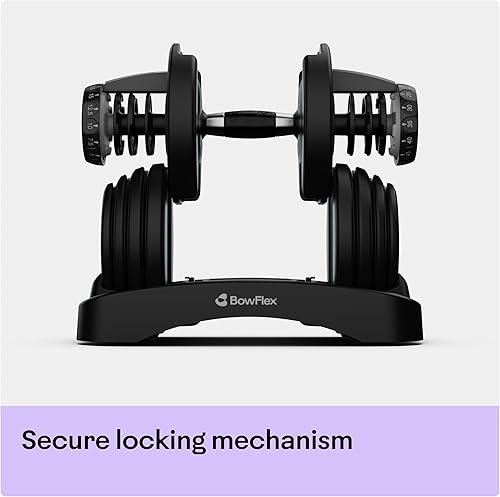
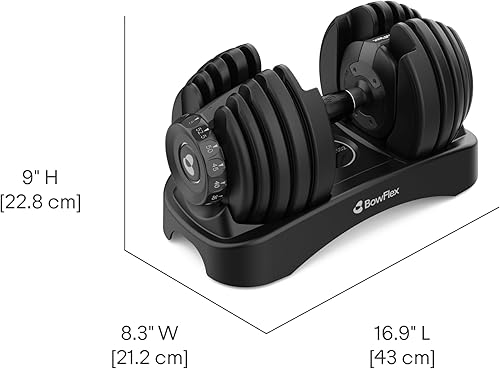
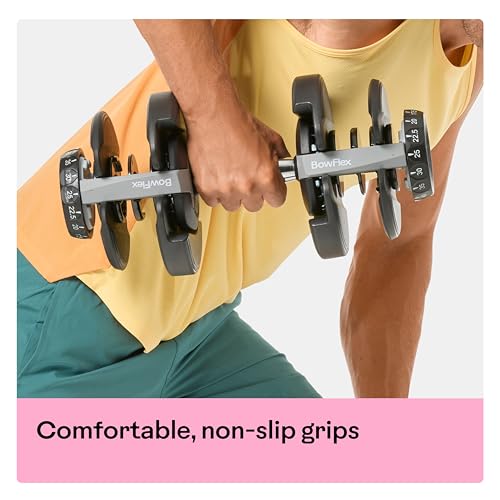
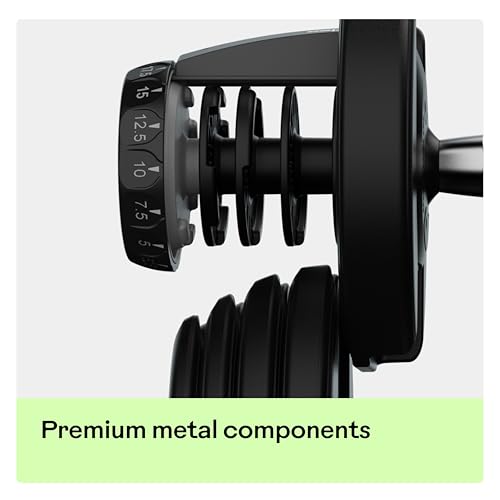
You can live with a tight hairline crack if the dial stays crisp and all plates lock evenly, but replacement makes more sense when pieces are missing, the crack runs across a dial window, or plates wobble or drop unexpectedly. A spreading crack that keeps growing after a few sessions is also a clear stop sign. If you would rather replace it than keep troubleshooting, the BowFlex Results Series SelectTech Dumbbells are one practical option with dial adjustment and included storage trays for tidy adjustable dumbbell storage. A fresh set with clean trays also makes daily docking easier and helps prevent future drops.
This article contains affiliate links. If you buy through one of our links, TheGarageCrafted may earn a commission at no extra cost to you. Commissions never influence which products we recommend or how we rank them. Read our Affiliate Disclosure for details.
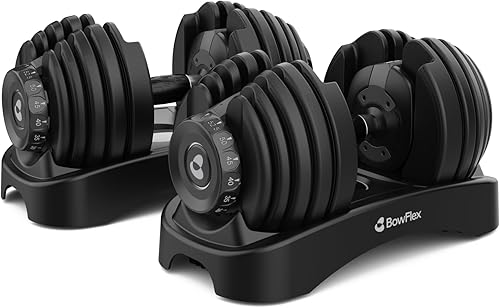
BowFlex Results Series SelectTech Adjustable


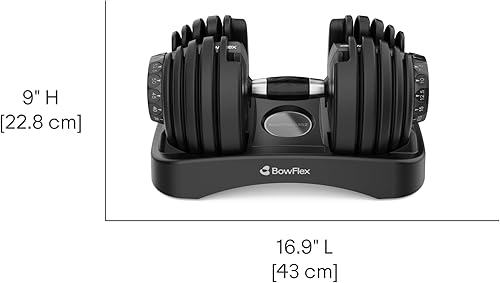


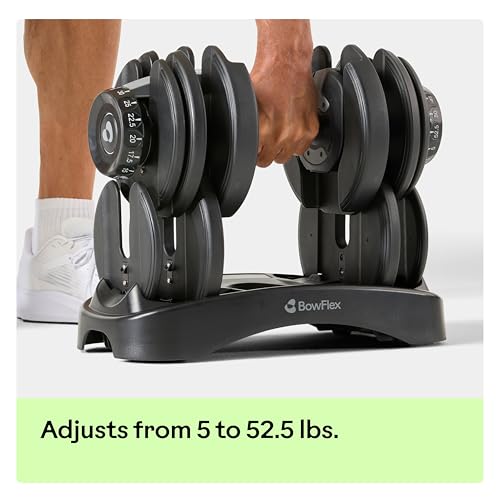
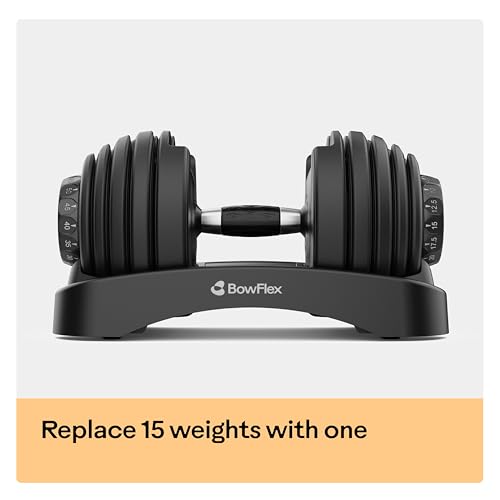
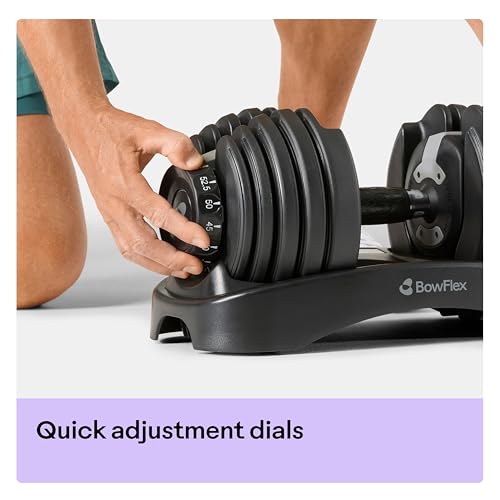

As an Amazon Associate we earn from qualifying purchases. Product prices and availability are accurate as of the date/time indicated.
When to Skip This and Call a Professional
A cracked shell with shifting plates is not recommended for overhead presses, heavy rows, or any lift where a slipping plate could fall on you or a spotter. Skip this DIY cosmetic approach if you see exposed metal gears, a dial that will not lock, or a handle that lifts unevenly, and contact the manufacturer about warranty or replacement options instead of gluing load bearing parts. Your safety is worth more than saving one handle.
Frequently Asked Questions
Can I glue a cracked plastic shell on my adjustable dumbbell?
You can tidy a small cosmetic crack for dust protection, but glue does not restore original impact strength or fix internal alignment. If the dial still turns cleanly and plates lock evenly, a light cosmetic cover may be okay for monitoring. If locking feels off, keep it docked and consider replacement.
Why will my dial not turn after I dropped my adjustable dumbbell?
One common cause is grit in the selector groove or a plate tab that shifted slightly during impact and now blocks rotation. Try reseating the handle fully in its tray on level flooring, clearing visible dust with a soft brush, and rotating slowly without force. If it still sticks or skips, stop forcing it and leave it out of service.
Is it safe to lift if the crack is small but the plates look even?
It may be okay for careful low checks if every plate lifts evenly and the dial locks crisply on both ends, but stay conservative. Avoid overhead work, watch for crack growth, and store the set on mats with proper docking. When in doubt in 2026, retire that handle until you get manufacturer guidance.


Write Your Review
No reviews yet. Be the first to share your experience!