

Quick Answer: Why Your Bike Hook Is Pulling Out
A bike hook pulling out of drywall almost always means the hook is holding weight with only drywall and a light plastic anchor, not solid wood or a proper heavy duty anchor. Drywall alone cannot support the leverage and weight of a bike over time, so the hole enlarges and the anchor slips.
Take the bike down right away, do not reload the hook, and check whether the screw hit a stud. If it did not, you will need to relocate the hook into a stud or reinstall with a toggle style anchor rated for wall hanging and follow the manufacturer instructions for hole size and capacity.
Why This Happens
Drywall is a gypsum panel, not a structural material. It can hold light pictures, but a bike creates constant downward pull plus outward leverage, especially when you lift the bike on and off. Even a well seated screw will slowly crush the gypsum and work loose.
Screw in style bike hooks are designed to thread deep into wood. When they are threaded only into drywall, the threads have nothing solid to bite. The hook may feel tight at first, but the first few times you hang the bike the threads strip a slightly larger hole.
Plastic expansion anchors that come with many hooks are often not a good match for a bike in drywall. They can spin, crack, or pull straight out under cyclic load. Once the hole is even slightly oversized, the anchor loses grip and the hook sags or tilts down.
Repeated loading makes it worse. Every lift and wiggle enlarges the hole a little more. Humidity, vibration from a garage door, and hanging the bike at an angle add side load that accelerates loosening. If you see drywall dust, a widening crack, or the hook leaning forward, the wall material has already failed around the anchor.
Location matters too. Hooks placed between studs, near a drywall seam, or in patched drywall are far more likely to pull out. For more context on how different mounting hardware holds weight, you can browse the Hooks, Holders & Specialty Mounts category to see which styles are intended for stud anchoring versus drywall anchors.
Fixes to Try
Try these steps in order, starting with the safest and most reliable. Do not hang the bike again until the hook feels completely solid with no movement when you pull down firmly by hand.
- Remove the bike and inspect the hole. Check if the hook or anchor is bent, if drywall is crumbled, and if the hole is enlarged or oval shaped. If the hook wobbles by hand, do not reuse the same hole with the same anchor.
- Find a stud and relocate if possible. Use a stud finder to locate the center of a wood stud, pre drill a pilot hole slightly smaller than the hook shank, then thread the hook in by hand until the base plate is flush and snug. This is the most secure option for wall mounted bike hooks.
- If you must stay in drywall, use a proper toggle anchor. Choose a toggle bolt or heavy duty toggle style drywall anchor that is rated for pull out load in drywall, drill the exact hole size noted in the instructions, and install per the manufacturer directions. Avoid reusing a damaged plastic expansion anchor.
- Repair an oversized or crumbled hole before reinstalling. For a hole that is only slightly enlarged, fill with a drywall repair compound, let it cure fully, then drill a fresh pilot hole. For a badly damaged section, screw a 3/4 inch plywood backer board across two studs and mount the hook through the plywood into the studs for a solid surface.
- Seat the hook correctly and check alignment. Thread the hook in straight, keep the arm level, and make sure the collar or base plate contacts the wall evenly without over tightening and crushing the drywall. After installing, give it a firm downward tug and check for any flex or rotation before hanging the bike.
If you need to keep storage off the floor but have no stud in the right spot, consider whether wall mounting is the right approach for that location. Overhead and wall systems each have different anchoring needs, and you can compare options in Heavy Duty Shelving & Racking and Pegboard & Metal Pegboard to see what fits your wall construction.
After any fix, check the hook again after the first few days of use. Look for new dust, a gap forming behind the base, or a slight tilt. One common cause of repeat failure is hanging a heavier bike than the anchor was intended for, so confirm the hook and anchor are appropriate for your bike weight and mounting surface.
When to Consider Replacing It
Repair stops making sense when the hook threads are stripped, the shank is bent, the vinyl coating is cracked and exposing bare metal, or the drywall around it has crumbled so much that even a toggle will not grip. If the hook has pulled out more than once, the wall is telling you the hardware or location is not suitable.
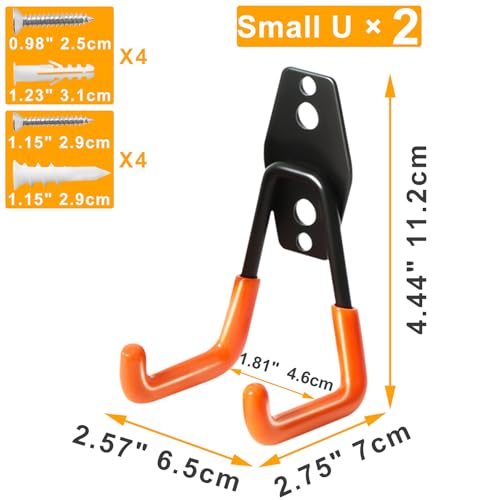
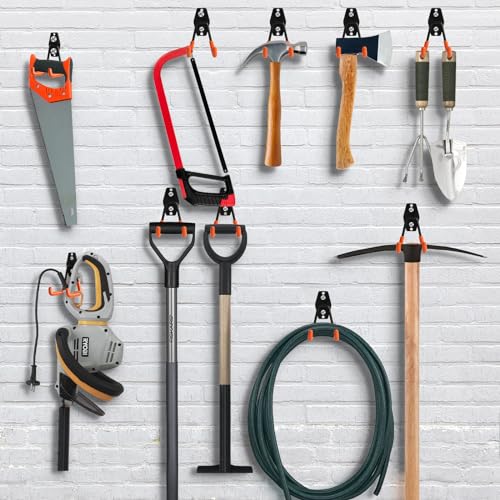
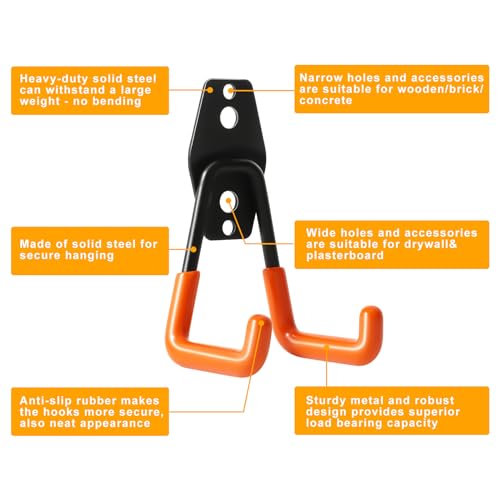
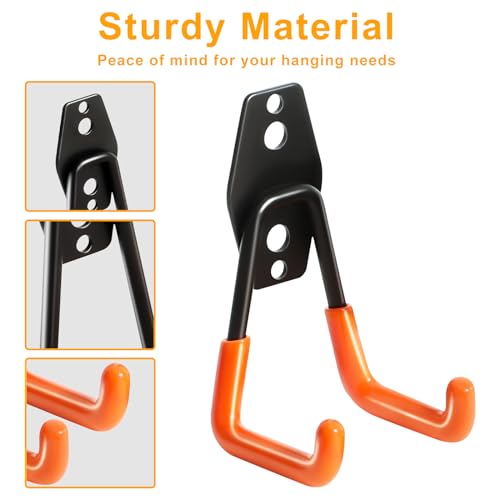
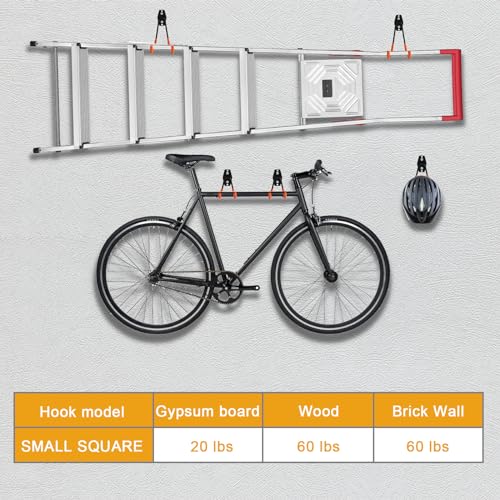
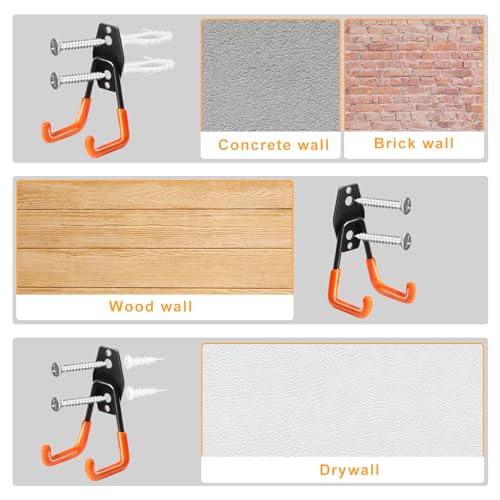
If you would rather replace it than keep troubleshooting the same hole, a wall hook with a wide base plate and included anchors for wood or masonry can be a practical option when installed into a stud per the instructions. One option to evaluate is the KURUI Heavy Duty Wall Hook for Hanging, which is made from carbon steel with a rust resistant finish and is designed for wood stud or masonry with anchors.
This article contains affiliate links. If you buy through one of our links, TheGarageCrafted may earn a commission at no extra cost to you. Commissions never influence which products we recommend or how we rank them. Read our Affiliate Disclosure for details.
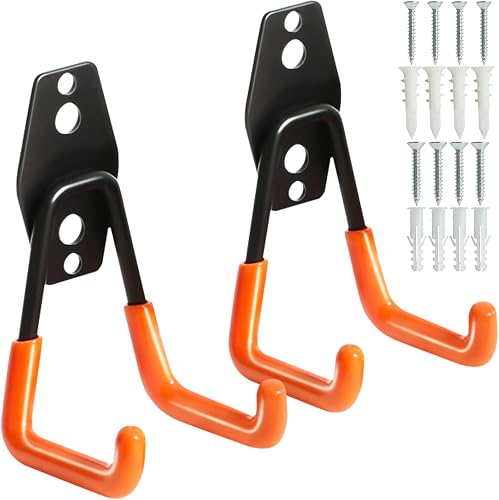
Prime KURUI Heavy Duty Garage Wall Hooks 2-Pack


As an Amazon Associate we earn from qualifying purchases. Product prices and availability are accurate as of the date/time indicated.
When you replace the hook, avoid reusing the old damaged hole. Patch it properly, locate a stud, and follow the included hardware guidance for your wall type. A fresh, solid anchor point will hold far better than trying to salvage a compromised spot.
When to Skip This and Call a Professional
This DIY approach is not ideal for ceiling mounted bike hoists, bikes hung over doorways or work areas, or any setup where a falling bike could injure someone or damage a vehicle. If the hook is in the ceiling, if you need to drill into concrete, brick, or steel, or if the drywall damage is large, skip this and get help.
For overhead storage or heavy bikes, follow the manufacturer weight capacity and ceiling joist anchoring instructions exactly and do not improvise with drywall anchors. If you are unsure about stud location, joist direction, or the right anchor for your wall, a qualified handyman or contractor can confirm the structure and install a safe, code appropriate solution.
Frequently Asked Questions
Can you hang a bike hook in drywall without a stud?
You can try, but drywall alone is not recommended for a bike. If you cannot hit a stud, use a heavy duty toggle anchor that is specifically rated for drywall and follow the manufacturer instructions for hole size and load limits. Even then, a stud mounted hook will be more secure long term.
Why does my bike hook feel tight at first, then pull out later?
One common cause is the threads cutting into soft gypsum instead of wood. It feels snug initially, but the weight and movement slowly crush the drywall and enlarge the hole. Check for an oversized hole, switch to a stud location, or use a toggle anchor and allow any patching compound to fully cure before reloading.
Should I use the plastic anchors that came with my bike hook in drywall?
Plastic expansion anchors are not a good fit for the sustained leverage of a bike in drywall alone. They are more suited to light utility items in solid walls. For a bike, try a stud mounted installation first, or use a toggle style anchor rated for drywall and confirm it is appropriate for your bike and wall type.





Write Your Review
No reviews yet. Be the first to share your experience!