

Quick Answer
Cabinet shelves sagging under tool weight are almost always overloaded for their thickness and span, or they are resting on undersized pegs or clips. Try taking everything off the shelf, flipping it over if it has a slight bow, then putting heavier tools near the sides directly over the supports and lighter items in the center, and add a center support or stiffer shelf if the sag remains.
Why This Happens
Most garage and utility cabinets use particleboard or thin plywood shelves that span too far without middle support. Tools are dense and concentrate weight in one spot, so even a shelf that looks fine with bins and paint cans will slowly bow when you load it with power tools, sockets, or hardware organizers. Humidity in a garage can make this worse by softening particleboard over time.
Support hardware is another common weak point. Small plastic spoon-style pegs, worn holes, or clips that do not seat fully can let the shelf tilt or flex in the middle. If the pegs are loose in the holes or the shelf can rock, the shelf is not getting even support and will sag faster under load. Checking how the shelf sits on all four corners often reveals the cause.
How you load the shelf matters as much as what it is made of. A single heavy toolbox or a stack of tool cases in the center creates a point load that bends the panel, while weight spread toward the vertical sides is carried more directly to the cabinet walls. Over time, that center load creates a permanent bow that does not spring back, which is why a shelf can look fine empty but sag again as soon as you reload it.
Finally, long unsupported spans are not ideal for heavy garage storage. A 30 inch or wider shelf with no center divider or rail will flex more than a shorter span of the same material. If your cabinet has adjustable shelves with no fixed middle shelf to tie the sides together, the sides can also spread slightly, which lets the shelf sink a little more in the center.
Fixes to Try
- Empty the shelf and check for a permanent bow. Place the shelf on a flat floor to see if it rocks or has a curve. If it is bowed, flip it over so the crown faces up, this can help it settle flatter under lighter loads, and inspect the peg holes for enlargement or cracking.
- Redistribute the weight toward the supports. Put the heaviest items like toolboxes, battery packs, and hardware kits directly over the left and right edges near the cabinet sides, and keep lighter items like gloves, tapes, and manuals in the center. Avoid stacking multiple heavy cases in the middle of the span.
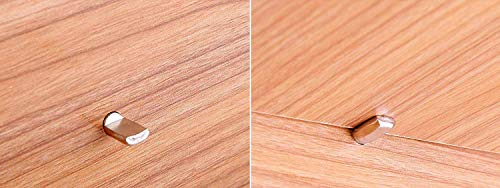
- Make sure the shelf is fully seated on all four supports. Push each peg or clip firmly into its hole until it bottoms out, and confirm the shelf sits level without wobble. Replace any bent, cracked, or loose pegs with correctly sized ones, and verify the diameter matches your cabinet holes before you buy.
- Stiffen the shelf itself. One common approach is to attach a hardwood or plywood cleat along the front and back underside of the shelf with screws and glue to act as a beam, or replace the shelf with thicker plywood or solid wood cut to the same dimensions. You can also add a vertical divider or a center support leg that transfers load to the cabinet bottom if your layout allows it.
- Reduce the span or add support from below. If possible, move the shelf to a lower set of holes where it is closer to the bottom, add an extra fixed shelf to shorten the open span, or use an adjustable support pole underneath the sagging shelf to carry center load to the floor. For ideas on choosing sturdier systems, see HOMEDANT house black 36.2″ W 5 tier storage vs garage Shelving, heavy duty storage shelves and how to organize garage shelf in low ceiling.
When to Consider Replacing It
If the shelf stays bowed after flipping, the particleboard is crumbling around the peg holes, or it sags again immediately with even a moderate load, repair is usually more work than it is worth. At that point replacing the shelf panel with thicker plywood or swapping the supports for stronger, correctly sized hardware is often more reliable than continuing to reinforce a weakened board. If you would rather replace the small hardware than keep troubleshooting the wobble, this is one practical option to consider.
This article contains affiliate links. If you buy through one of our links, TheGarageCrafted may earn a commission at no extra cost to you. Commissions never influence which products we recommend or how we rank them. Read our Affiliate Disclosure for details.

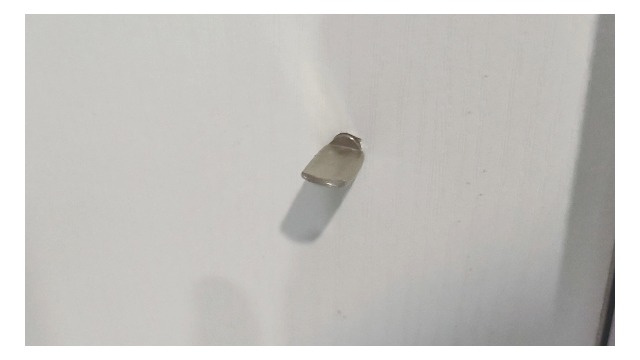
Prime Delatanus 60-Pack 5mm Spoon Shelf Pegs


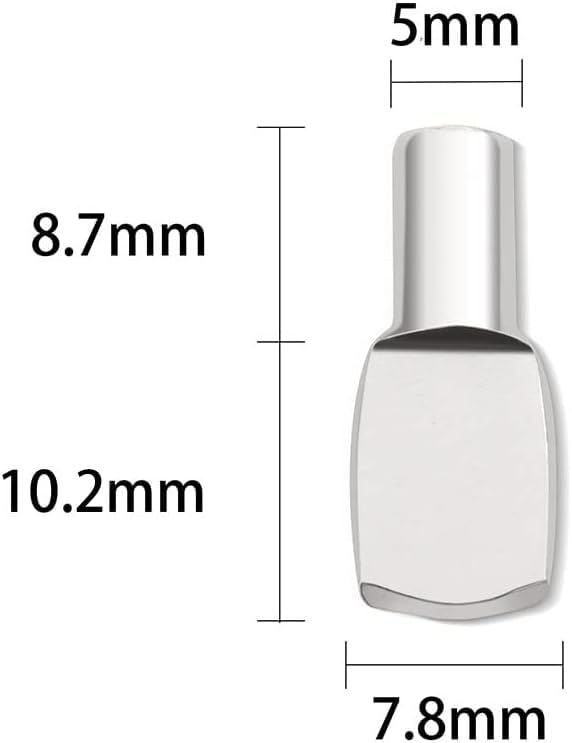
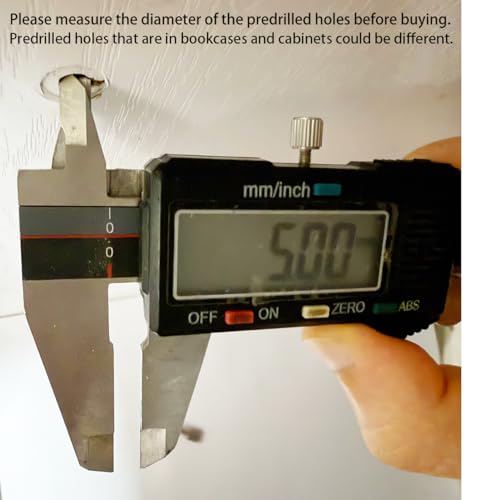
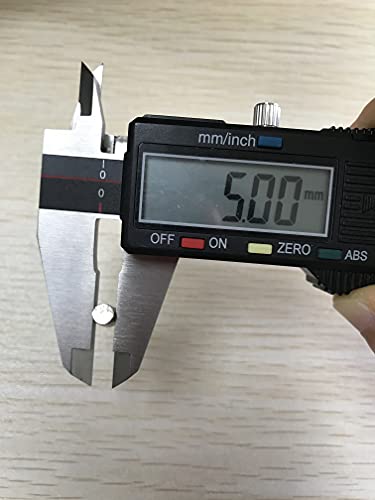
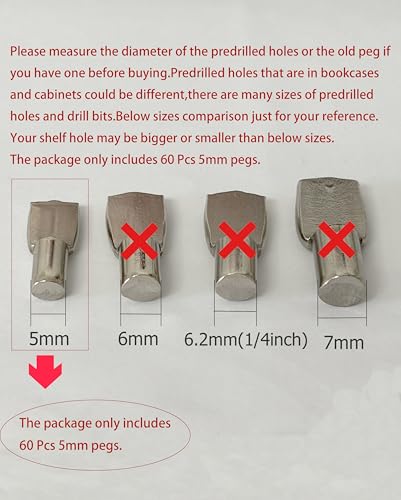
As an Amazon Associate we earn from qualifying purchases. Product prices and availability are accurate as of the date/time indicated.
When you replace pegs or shelves, measure the existing hole diameter and shelf thickness carefully, and follow the cabinet manufacturer’s guidance for maximum load and support placement. A snug peg fit and a stiffer shelf panel will do more for sag resistance than adding more weight to the same thin board. You can find more wall storage context in TORACK garage tools organizer boards kit review.
When to Skip This and Call a Professional
This type of DIY reinforcement is not ideal for cabinets that are tall, heavily loaded, or anchored to the wall to prevent tip over, or for built ins that support countertops or wall hung loads. If the cabinet itself is leaning, pulling away from the wall, or the sides are spreading under tool weight, skip this and get help. Follow the manufacturer’s weight capacity and anchoring instructions, anchor tall shelving to wall studs to prevent tip over, and consult a qualified professional if you are unsure about safe loading or wall attachment, never try to override a structural or anchoring failure with extra pegs or a makeshift brace.
Frequently Asked Questions
Why do my cabinet shelves sag only in the middle under tools?
The center of the span has the least support, so heavy point loads like toolboxes cause the most deflection there. Moving heavy items to the edges over the vertical sides and adding a front to back stiffener or center support can reduce that middle sag.
Can I just add more shelf pegs to fix sagging?
Extra pegs only help if the cabinet has additional holes at the right height and the shelf can rest on them evenly. If the board itself is thin or already bowed, the panel still needs stiffening or replacement, pegs alone will not straighten a permanently bent shelf.
Should I flip a sagging shelf over?
Flipping a mildly bowed shelf so the crown faces up is a common temporary try, and it sometimes helps the shelf settle flatter under lighter loads. If the board is cracked, swollen from moisture, or crumbling around the peg holes, flipping will not restore strength and replacing the shelf is a better path.
Browse more picks in our Garage Cabinets & Lockers category, or see our related guide on Cabinet vs Locker: Shelves or Hanging?.

Write Your Review
No reviews yet. Be the first to share your experience!