

Quick Answer
A clear storage bin turning yellow over time is most often caused by UV exposure and natural oxidation of the plastic as it ages, especially in a sunny garage, attic, or near a window. You cannot reverse deep yellowing completely, but you can often lighten surface discoloration with a gentle clean and reduce future yellowing by moving the bin out of direct sunlight and heat.
Why This Happens
Most clear storage bins are made from polypropylene or similar clear polymers. These plastics are naturally clear at first, but ultraviolet light breaks down the polymer chains over time. That breakdown creates a yellow or amber tint that starts faint and gets deeper with months or years of exposure, even if the bin looks clean.
Heat makes the process faster. Bins stored in a hot garage, attic, shed, or next to a heater or dryer will often yellow sooner than bins kept in a cool closet. This is similar to why other garage plastics and coatings discolor, as explained in garage floor coating yellowing over Time? 5 fixes before you recoat, where UV and heat are also common causes.
Chemical exposure and off-gassing inside the bin can also add to the tint. Cardboard, printed paper, rubber, or certain stored items can release compounds that interact with the plastic, especially in a sealed bin with little airflow. Smoke, cooking oils, and household cleaners left on the surface can leave a film that darkens as it oxidizes.
Age and plastic quality matter too. Older bins and thinner, less UV-stabilized plastics tend to yellow more quickly than newer bins made with better UV inhibitors. If your bins are stacked near a window or under skylights, the ones on top or on the outer edge will usually show yellowing first while bins stored inside a closed cabinet stay clearer longer. For long term organization, placement matters as much as the plastic itself, which is why planning where you store matters, see how to organize garage shelf in low ceiling for placement ideas that keep bins out of harsh light.
Fixes to Try
- Move the bin out of direct sun and heat first. Try relocating it to a shaded shelf, inside a cabinet, or away from windows and heat sources, and check if the yellowing slows over the next few weeks.
- Wash with warm water and mild dish soap using a soft cloth or sponge. Rinse well and dry completely, as this removes surface oils and film that can make yellowing look worse without scratching the plastic.
- Try a gentle baking soda paste for surface discoloration. Mix baking soda with a little water to form a soft paste, apply lightly with a non-abrasive cloth, rub gently, then rinse thoroughly and dry.
- Try a hydrogen peroxide and sunlight method for light yellowing only if the bin is empty. Apply a thin coat of standard 3 percent hydrogen peroxide, place the empty bin in indirect sunlight for an hour or two, then wash well with soap and water. Avoid harsh bleach or abrasive pads, which can cloud the plastic.
- Prevent future yellowing after cleaning. Try keeping clear bins out of prolonged UV, using opaque bins for sun-exposed spots, and leaving a small gap for airflow when possible instead of sealing bins airtight in a hot space.
When to Consider Replacing It
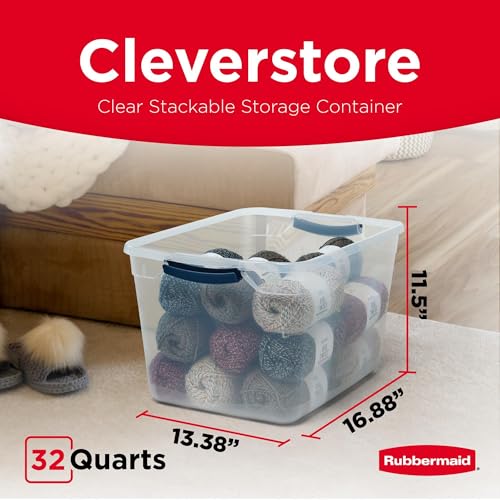
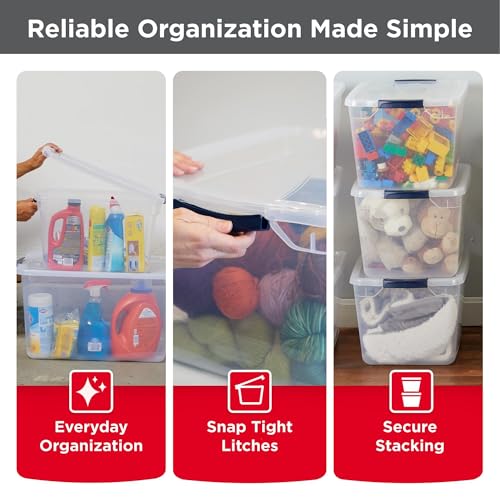
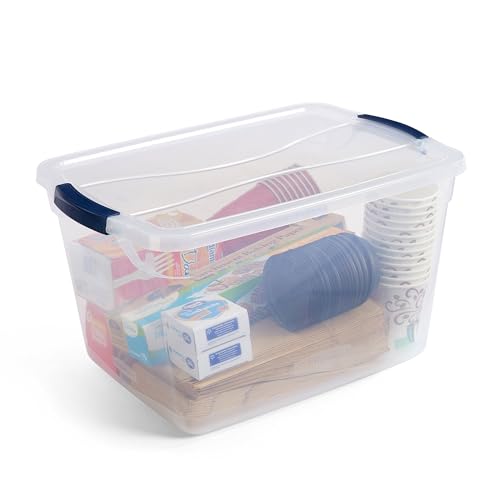
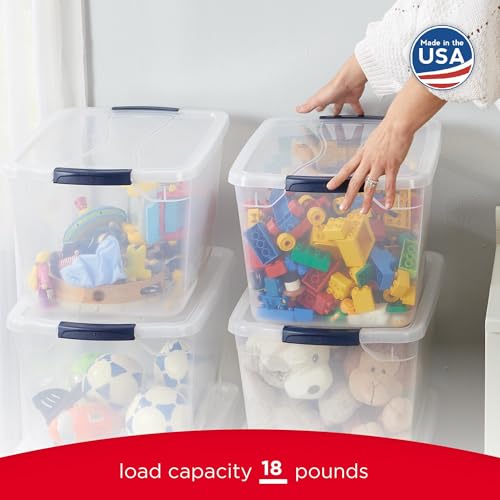
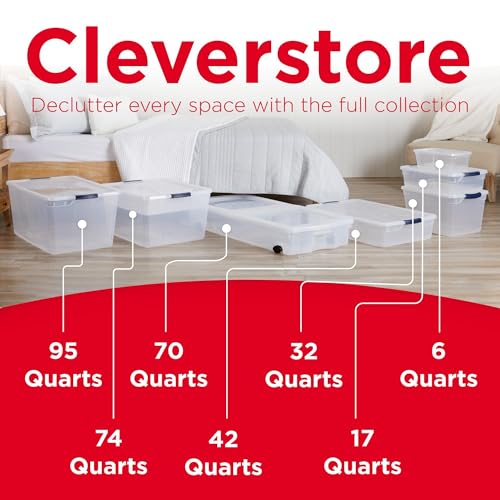
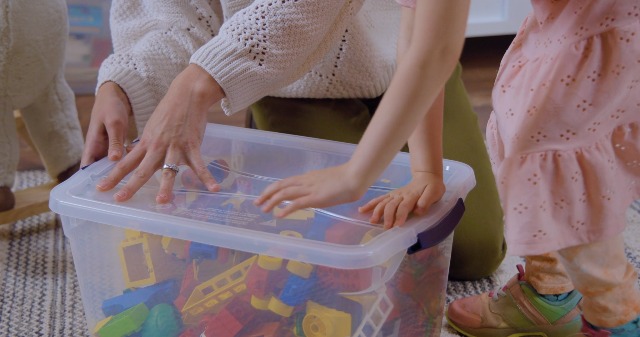
If the yellow tint is deep, uneven, and does not lighten at all after a gentle clean, the discoloration is likely through the thickness of the plastic rather than on the surface. At that point cleaning will not restore full clarity, and replacement may make sense if you need to see contents easily or want a more uniform look on shelves. If you would rather replace it than keep troubleshooting, one practical option is a bin designed with a tight-fitting lid and recessed handles for easier stacking and visibility, such as the Rubbermaid Cleverstore Clear 32 Qt.
This article contains affiliate links. If you buy through one of our links, TheGarageCrafted may earn a commission at no extra cost to you. Commissions never influence which products we recommend or how we rank them. Read our Affiliate Disclosure for details.

Prime Rubbermaid Cleverstore 32 Qt Clear Stackable


As an Amazon Associate we earn from qualifying purchases. Product prices and availability are accurate as of the date/time indicated.
When to Skip This and Call a Professional
These cleaning methods are for general household storage and are not ideal for bins used to store food, baby items, or sensitive materials if the plastic is heavily discolored, cracked, or has a strong odor. That type of degradation is not a good fit for DIY whitening attempts, and you should skip harsh chemical soaks or sanding that could weaken the plastic. If the bin is brittle, warped from heat, or used for anything where clarity indicates safety, replace it instead of trying to restore it.
Frequently Asked Questions
Can you clean a clear storage bin that turned yellow and make it clear again?
You can often lighten surface yellowing and remove hazy film with mild soap or a gentle baking soda paste, but deep UV-related yellowing is usually permanent. If the color is through the plastic, cleaning may improve appearance slightly but will not return it to like-new clarity.
Why does my clear storage bin turn yellow even when stored indoors?
Indoor light, especially near windows, plus heat and age can still cause oxidation over time. Even fluorescent or LED garage lighting and reflected sunlight can contribute slowly, and bins in hot, enclosed spaces like attics tend to yellow faster than those in cool, dark closets.
How do I keep new clear bins from turning yellow?
Try storing them out of direct and prolonged sunlight, in a cooler part of your garage or home, and clean them with gentle products only. For areas with strong sun exposure, consider using opaque or UV-stabilized totes for long term storage and reserve clear bins for shaded shelves where you need visibility, as discussed in best slatwall hooks for heavy totes for keeping totes organized and off the floor.
Browse more picks in our Clear Bins, Totes & Small Parts category, or see our related guide on Clear Tote Alternatives.

Write Your Review
No reviews yet. Be the first to share your experience!