

Quick Answer
Clear plastic gets brittle in the cold, so a small bump, an overfilled wall, or a forced lid can start a crack that spreads quickly. If you are seeing clear tote cracking in a cold garage, let the tote warm slowly to room temperature before you move or flex it, lighten the load, and get it off freezing concrete. Those three steps often prevent a small crack from becoming a full split while you plan a longer term fix.
Why This Happens
Most clear totes are made from polypropylene or similar plastics that stay flexible at room temperature but stiffen a lot near freezing. What would flex and bounce back in summer becomes rigid in an unheated garage, so an impact, a drop, or even snapping a cold lid shut can initiate a crack instead of just flexing.
Cracks almost always start at stress points where the shape changes sharply, such as corners, bottom edges, handle cutouts, and the hinge area of the lid. Stacking heavy totes, dragging them across a rough floor, or lifting with one handle concentrates force on those points. Totes that sit directly on concrete stay colder longer and pick up moisture underneath, which is why guides like best clear storage bins for concrete walls reviewed often recommend raising bins off the floor.
Repeated freeze and thaw cycles make the problem worse. Plastic expands and contracts slightly with temperature swings, and any small nick or scratch from normal use can slowly grow through winter. If the tote also gets sun near a garage window or open door, UV exposure can make the surface more brittle, so the combination of cold plus prior sun damage is a common cause of winter cracks.
How you pack the tote matters as much as the temperature. When a tote is overfilled, the sidewalls bulge and stay under constant tension, and the lid pushes down hard on the rim. In cold conditions that tension has nowhere to go, so a light knock on the side or setting it down hard can split the wall along the stressed area instead of flexing.
Fixes to Try
Work from the gentlest steps first and try to handle the tote at room temperature when you can. Avoid forcing, bending, or patching a cold, stiff tote, as that often extends the crack.
- Let a cold tote warm gradually indoors before you open, lift, or reorganize it. Move it to a milder space and give it time to come up to temperature naturally, and do not use a space heater, hot water, or a heat gun to rush it, and do not flex the sides or lids while it is still stiff.
- Lighten the load and remove pressure from the crack. Take out some weight, avoid stacking anything on top of the cracked tote, and carry it with both handles evenly, lifting straight up rather than dragging it across concrete or shelving.
- Repack so the walls and lid are not under tension. Leave a little headspace so the lid closes without forcing, distribute heavy items across several totes, and place softer or lighter items near the walls to reduce outward bulge.
- Get the tote off the cold floor and away from direct drafts. Set it on a shelf, pallet, or scrap wood to reduce contact with freezing concrete and standing moisture. This simple lift also makes it easier to apply ideas from 7 affordable alternatives to clear stackable storage tote for compact garages and closets if you need a warmer storage layout.
- Adjust your winter storage habits to prevent the next crack. Label totes clearly so you open them less often in the cold, avoid dropping or tossing them when they are frozen, and reserve thinner clear totes for indoor closets while using thicker walled, more flexible options for the garage. You can browse more ideas in the Clear Bins, Totes & Small Parts section.
When to Consider Replacing It
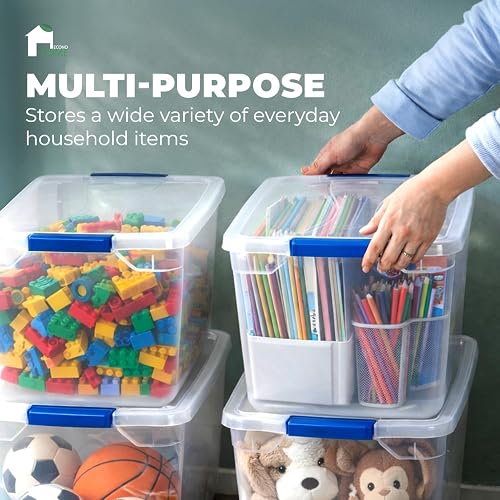
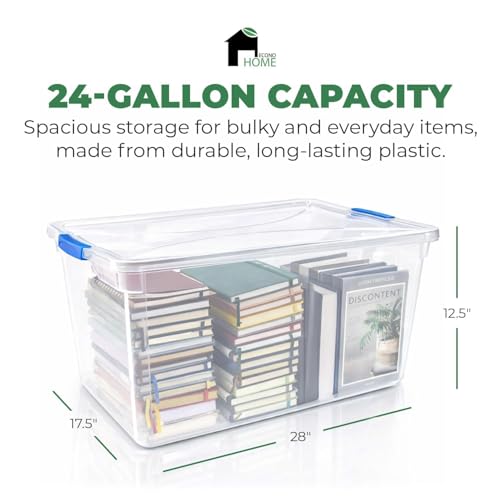
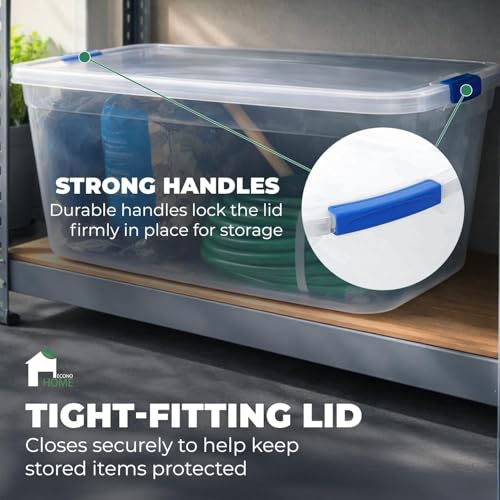
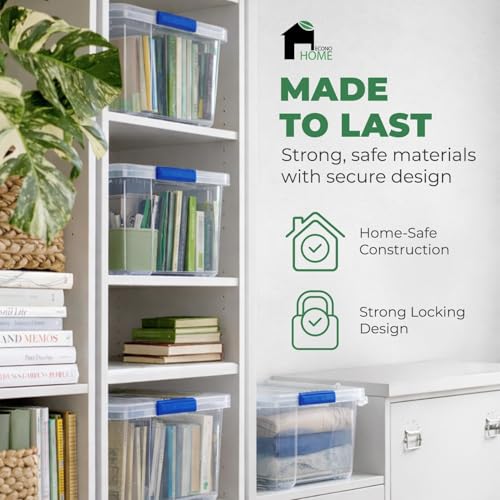
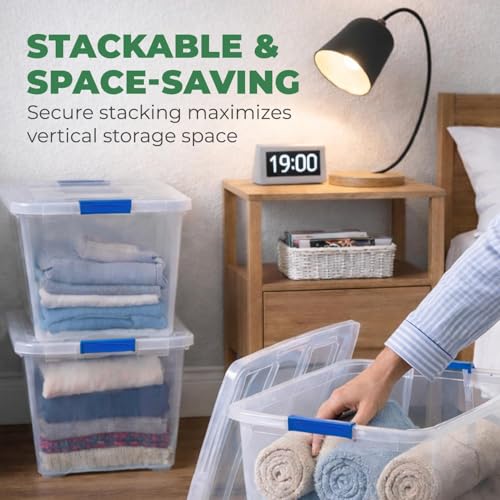
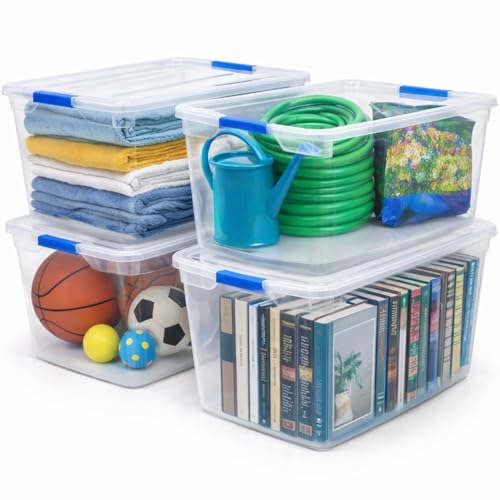
If the crack runs through a corner, across the bottom, or around a handle or latch, the tote has lost much of its strength and may split further the next time you lift it, even with a lighter load. Hairline surface crazing may be cosmetic, but a through-wall crack that lets in dust, moisture, or pests means the seal is gone and patching is not a reliable long term solution. If you would rather replace it than keep troubleshooting, one practical option with a tight fitting lid and construction built to withstand bending or cracking is the EconoHome Clear 95qt Storage Box.
This article contains affiliate links. If you buy through one of our links, TheGarageCrafted may earn a commission at no extra cost to you. Commissions never influence which products we recommend or how we rank them. Read our Affiliate Disclosure for details.

Prime EconoHome Clear 95Qt Storage Box 24 Gallon


As an Amazon Associate we earn from qualifying purchases. Product prices and availability are accurate as of the date/time indicated.
When to Skip This and Call a Professional
This advice covers general plastic storage wear, and it is not ideal for totes that hold hazardous materials, fuels, solvents, or pesticides. If a cracked tote was storing chemicals, flammable liquids, or anything with a safety label, skip this DIY approach, do not try to glue or tape the crack, and follow the product label and local disposal rules for safe handling. For food, important documents, or electronics, move the contents to an intact, sealed container right away rather than trying to repair the cracked tote.
Frequently Asked Questions
Why do my clear totes only crack in winter?
Cold temperatures make clear plastic much less flexible, so impacts and stacking pressure that are harmless in summer can start cracks in winter. Small nicks, overfilling, and sitting on freezing concrete all add stress that shows up only when the plastic is stiff.
Can I fix a cracked clear tote with glue or tape?
Tape or glue may hide the crack but it rarely restores strength, and the repair often fails when the tote is lifted or gets cold again. For light, non critical storage you can try to reduce load and avoid stacking, but for heavy items or anything you need to keep dry, replacing the tote is usually more reliable.
How should I store clear totes in an unheated garage to prevent cracking?
Keep loads moderate, leave headspace so lids close without force, and store totes off the concrete on shelves or pallets to limit cold transfer and moisture. Label them so you open them less in freezing weather, handle them gently when cold, and consider moving fragile or valuable contents to a warmer space during the coldest months.


Write Your Review
No reviews yet. Be the first to share your experience!