

Quick Answer
If dropping weights is too loud for the neighbors, try landing every rep on thick crash pads over a layered mat base and guide the bar down instead of letting it free fall. One common cause is bare concrete with thin mats that sends thud and vibration straight through walls and slabs. You can often train much quieter in a small garage without giving up deadlifts, cleans, and snatches by softening impact and moving your lifting spot.
Why This Happens
Your garage slab and drywall can carry sound farther than you expect, so a drop that feels normal inside can sound like a slam next door. Hard concrete does not absorb impact, it passes energy into the ground, framing, and any shared wall. When you add a steel bar plus hard plates, you create both a deep thud and a sharp clang that travel well.
Thin foam tiles or a single rubber mat may protect against scuffs, but they often lack the depth to dull a heavy deadlift drop. Iron plates in particular can ring on contact, while bumper plates tend to produce a duller sound that carries less. For ideas on building a more forgiving base, review this overview of Garage Floor and Safety options for home lifting areas.
Height and timing make the issue worse, since releasing from overhead or from lockout adds energy to the impact. Early morning or late evening sessions can feel far louder to family and neighbors even when the weight is moderate. Loose tools, metal shelves, and door hardware can also buzz with each landing, which adds a second layer of noise you might miss while you focus on the lift.
A tight garage with bare walls, a metal door, and hard cabinets can echo and amplify each drop. That echo makes a controlled set sound aggressive from outside, even when you lower with care. Shifting your platform away from a shared wall and leaving space for pads around the bar can help, and these Small Space Garage Gym Ideas show how to arrange a compact lifting zone with clearance.
Fixes to Try
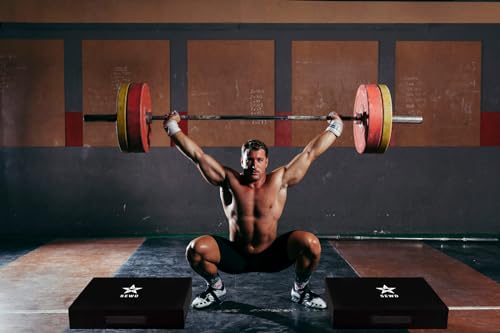
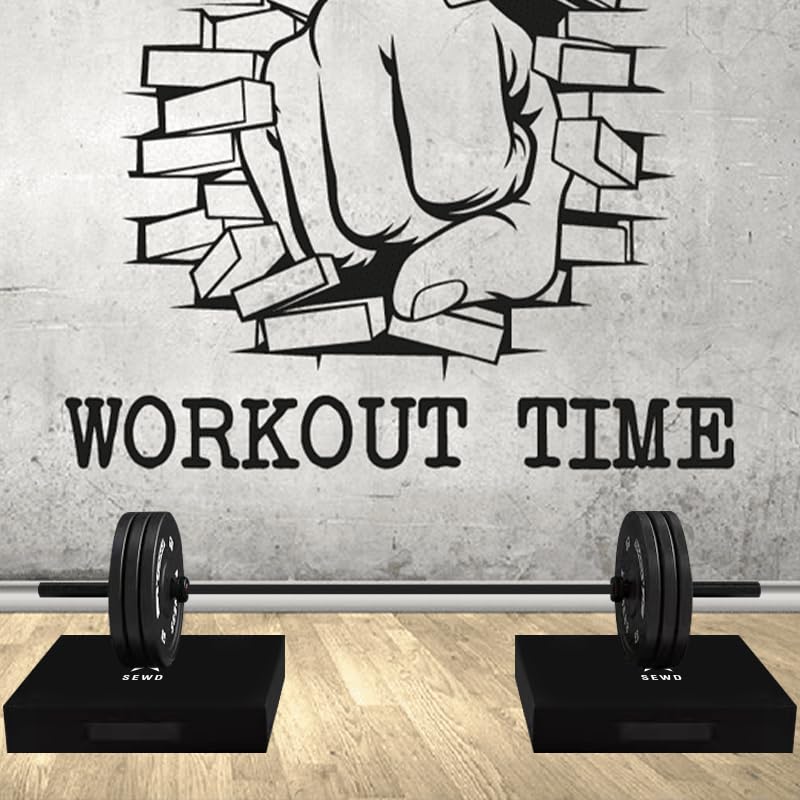
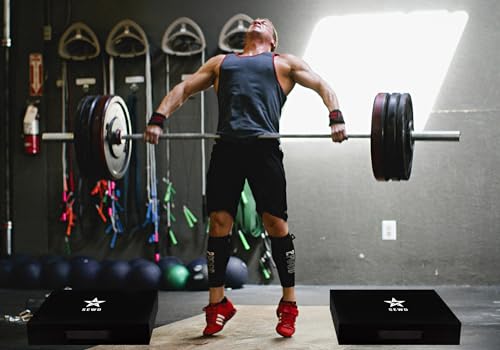
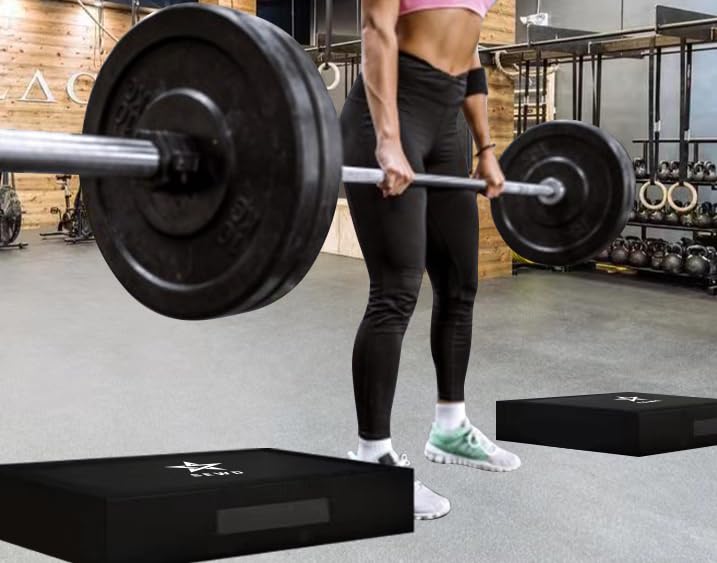
- Set a thick crash pad under each side of the bar so plates land on cushioning instead of hard flooring, and center your feet between the pads before you pull to keep landings even. Try keeping your hands on the bar as you guide it down to the pads instead of releasing at the top, which can reduce bounce, clang, and vibration that neighbors hear through walls.
- Build a layered base with flat plywood topped by dense rubber mats, then place your crash pads on top for deadlifts and Olympic pulls to spread impact over a wider area. Check that every layer lies flat without curled edges or gaps, so your stance feels stable and the bar contacts both pads at the same moment.
- Try rubber bumper plates for noisy lifts if you now train with bare iron, since rubber often sounds duller on padded surfaces and bounces less sharply. Practice hinging and bending your knees to ride the bar down for the final inches with a braced trunk, which can keep the impact softer without changing your overall program.
- Move your lifting area to the side farthest from bedrooms and neighboring homes, and train with the large door closed when possible to help contain sound inside the garage. Try asking neighbors when noise carries most and set a consistent daytime window, since predictable timing and open communication often ease tension more than random late sessions.
- Tighten or pad anything that rattles, such as shelf brackets, hooks, and cabinet doors, because secondary buzz can make one drop sound like several impacts from outside. Store loose dumbbells, collars, and tools in bins off the floor, and add rubber feet or soft washers where metal touches metal to dull the vibration that amplifies each landing.
When to Consider Replacing It
If your mats stay compressed, tear at the seams, slide apart, or no longer sit flat, added layers may only mask the issue. Worn padding can feel unstable underfoot and may allow more thud to pass into the slab, plus curled edges around a loaded bar are not ideal near your feet. If you would rather refresh the setup than keep patching it in 2026, consider how this option fits alongside sturdy Garage Cabinets and Lockers that stay quiet during drops.
This article contains affiliate links. If you buy through one of our links, TheGarageCrafted may earn a commission at no extra cost to you. Commissions never influence which products we recommend or how we rank them. Read our Affiliate Disclosure for details.

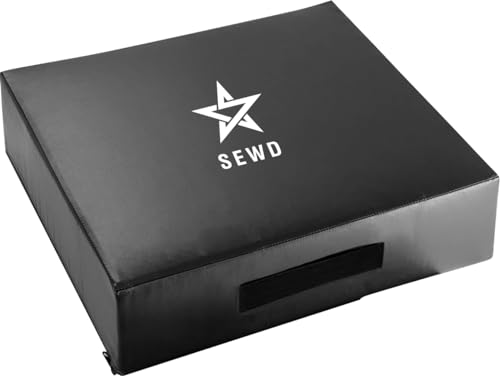
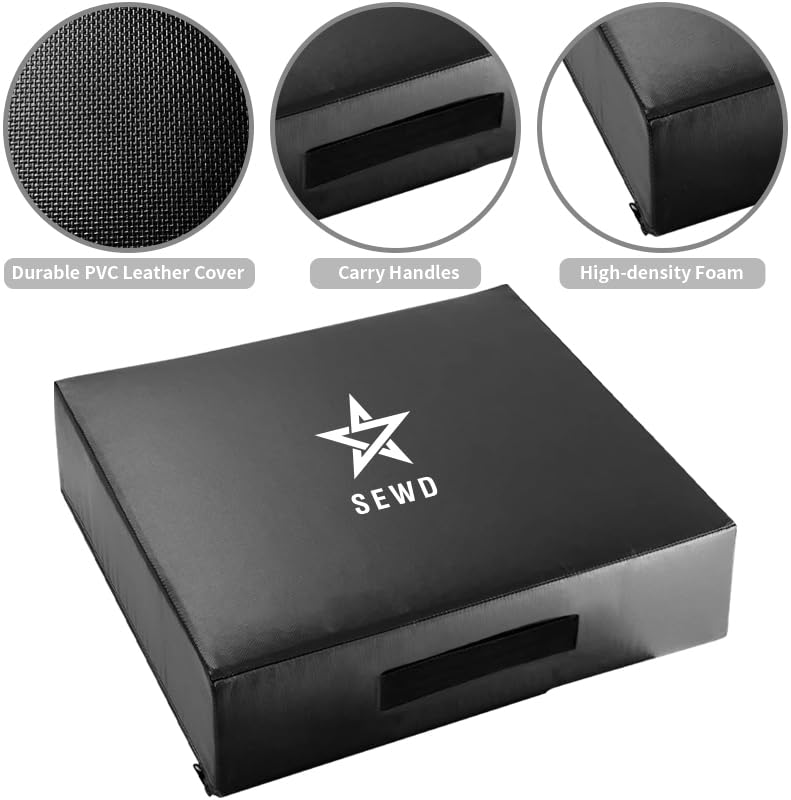
Prime SEWD Weightlifting Crash Pads Set of 2


As an Amazon Associate we earn from qualifying purchases. Product prices and availability are accurate as of the date/time indicated.
When to Skip This and Call a Professional
Extra padding is not ideal for rentals with strict noise rules, shared floors that shake with every step, or spaces with new slab cracks and crumbling drywall near the lifting zone. If you notice structural damage, sharp pain when trying to lower quietly, or repeated complaints despite quieter habits, skip this DIY route and speak with your landlord, HOA, or a qualified contractor or coach before you continue heavy drops at home.
Frequently Asked Questions
Can I keep deadlifting in my garage if dropping weights is too loud for the neighbors?
You can often keep deadlifting by combining thick pads, a layered base, bumper plates, and a more controlled lowering style. Try moving your platform away from shared walls and keeping sessions to daytime hours. If sound still travels badly, you may need to switch to quieter variations like paused reps or rack pulls for a while.
Do crash pads actually help with barbell drop noise?
Thick crash pads can help dull both the thud and the vibration that travels through concrete, especially when paired with rubber mats underneath. For best results, center each plate over padding and guide the bar down instead of dropping from full height. Check that pads stay aligned and flat, since off center landings can sound louder and feel less stable.
What is a quieter way to set down a heavy deadlift?
Try hinging back and guiding the bar down your thighs with a braced core, keeping hands in contact until plates touch padding. Avoid letting go at lockout, and keep collars snug so plates do not clang against each other. You can also close the garage door, clear rattling items nearby, and pause briefly between reps to keep noise from stacking up.






Write Your Review
No reviews yet. Be the first to share your experience!