

Quick Answer
Gaps opening up between rubber gym floor tiles are most often caused by tiles slowly walking apart on dusty concrete combined with contraction in cool garage air. Try pushing them back together from the center outward after a deep sweep, then lock the border so daily pivots cannot shove them apart again. If the tabs are stretched, curled, or will not stay linked, cleaning alone may not hold and you may need to reset the layout or swap worn pieces.
Why This Happens
Rubber and foam composite tiles expand in heat and shrink in cool air, and garages swing more than indoor rooms. You may lay them tight on a warm afternoon, then notice thin lines the next cool morning. This movement is common and not always a defect. Allowing tiles to acclimate in the room for some time before install often helps you understand why gaps opening up between rubber gym floor tiles keep returning in 2026 garages.
Every turn, lunge, burpee, sled push, or bench drag nudges tiles a fraction. Over weeks that creep adds up, especially if your workout zone floats in the middle of the floor without a wall, rack, or border to stop it. If you always train facing the same way, check which direction the gaps point. That pattern often shows where the push is coming from and where you need to add stability.
Dust, grit, and light moisture under tiles act like tiny rollers that let seams drift. Garage concrete is often dusty, slightly uneven, or sloped for drainage, so interlocking mats never fully grip. Old paint flakes, sand tracked in from outside, or a damp corner can also let edges lift. For broader prep ideas, review these garage floor safety basics before you reset, since a clean, dry, flat base helps seams stay put.
Worn or mismatched interlocks also lose holding power. If tabs were forced together at an angle, pulled apart many times, or mixed from different batches, they may not line up flush. Foam core tiles can compress under a rack leg and stay slightly shorter than nearby tiles. Once the puzzle shape is deformed, you can push the field together but it may drift open again after a few sessions. You can browse ideas in our garage gym flooring guide to see how tile size and layout affect seam stability.
Fixes to Try
- Sweep and vacuum the concrete well, then push tiles back from the middle of the mat toward the walls using your feet in clean socks. Try closing the largest gap first so smaller gaps even out as you work outward.
- Lift a small section, wipe both the floor and tile backs with a damp cloth and mild soap, let everything dry fully, then relay them snugly. Try mat tape or double sided carpet tape under the perimeter only so you can still lift the center for cleaning.
- Let shifted tiles sit flat in the garage for some time so they adjust to your room temp before you lock them in. Try to avoid judging the final fit right after bringing cold tiles inside or right after a hot door has been open.
- Trap the layout with a wall, power rack, or border strips so the field cannot walk during workouts. Try to set heavy gear so legs sit near seams and lift rather than drag benches, boxes, or dumbbells across edges.
- For a stubborn end gap, try rotating tiles or moving a stretched edge piece to a low traffic corner where movement is less. Check the subfloor for a hump, dip, or debris pile under that spot, since one high point can hold a seam open.
When to Consider Replacing It
If tabs are torn, curled up, crumbling, or will not stay linked even after a clean reset, repair stops saving time. Warped corners that create a trip edge or foam that stays dented under equipment are also signs the set is worn out. If you would rather replace it than keep troubleshooting, a larger format option with fewer seams can be simpler to keep tight and easier to reset.
This article contains affiliate links. If you buy through one of our links, TheGarageCrafted may earn a commission at no extra cost to you. Commissions never influence which products we recommend or how we rank them. Read our Affiliate Disclosure for details.
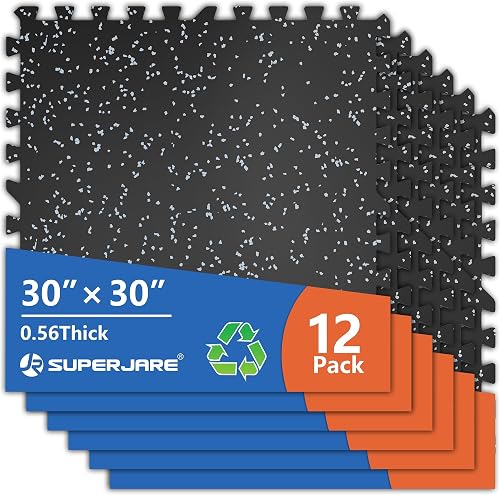
Prime SUPERJARE 30x30 Rubber Top Gym Floor Mats 12PCS 75





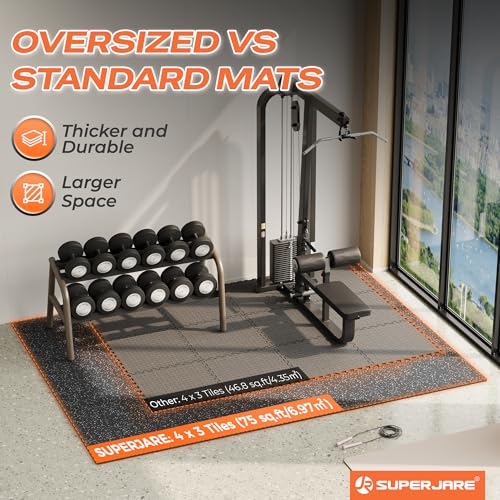


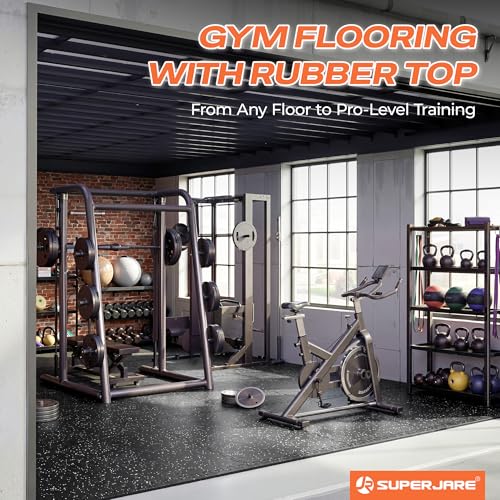
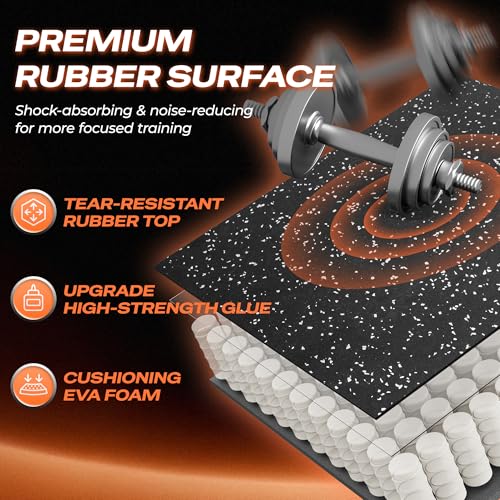

As an Amazon Associate we earn from qualifying purchases. Product prices and availability are accurate as of the date/time indicated.
When to Skip This and Call a Professional
This DIY reset is not ideal for floors with major cracking, heaving, standing water, or a strong musty odor that points to moisture intrusion. Skip this approach and call a concrete or flooring pro if the slab moves, flakes badly, or slopes enough that equipment rocks. If you use adhesive or seam sealer, follow the manufacturer ventilation instructions closely and keep extra heaters or open flames away from the area.
Frequently Asked Questions
Why do gaps keep coming back after I push rubber gym tiles together?
One common cause is daily creep from pivots and drags on a floating layout with no locked border. Try a full clean reset from the center out, then trap the edges with a wall or rack. If the interlocks are stretched, they may close for a day and then walk open again.
Should I glue down rubber gym tiles in my garage?
Full glue is often more than most home gyms need and makes future cleaning hard. Try perimeter tape first so the field stays put but remains removable. If you do use adhesive, check the tile and adhesive guidance for concrete prep and follow the ventilation instructions.
Can I cut a filler strip to close a gap along the wall?
Yes, in many cases a small filler is better than stretching the whole field to reach the wall. Try measuring the open space after the main field is pushed tight, then cut a spare tile slightly snug so it wedges in place. Keep the factory interlock facing inward where you can so the filler locks to the field.





Write Your Review
No reviews yet. Be the first to share your experience!