

Quick Answer
If your garage chemical smell won’t go away, one common cause is vapors trapped in concrete, cardboard, wood, or fabric combined with weak airflow and a lid or container that is not fully sealed. Try airing out the garage with cross ventilation, moving suspect cans and rags outside to a safe spot, and cleaning any visible residue with a garage-safe degreaser and warm water. If the smell fades with fresh air but returns when the door stays shut, you likely need deeper cleaning, better sealed storage, and moisture control rather than just a stronger fragrance.
Why This Happens
Porous surfaces hold odor longer than they appear to. Concrete, unsealed wood shelves, and drywall can absorb fuel, solvent, oil, and cleaner spills, so the floor can look clean while still releasing fumes. Cardboard boxes, paper goods, and shop fabrics stored near the floor act like sponges for those vapors. That absorption is one common reason the smell lingers for days after a quick mop.
Low airflow makes the problem worse. Many garages in 2026 stay closed for security or climate control, which lets heavier vapors settle in corners, under benches, and inside storage. Warm weather can make trapped residue more noticeable because heat encourages more vapor release. Without steady air exchange, even a small spill can keep the whole space smelling strong.
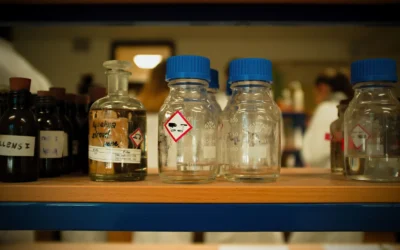
Storage habits are another frequent trigger. Lids that are loose, cracked, or missing seals let fumes escape all day and night. Oily rags, used absorbent pads, open drain pans, old paint cans, and mixed lawn or auto chemicals are common offenders. Even a slow drip under a workbench or mower can keep refreshing the odor, so try checking low and hidden spots first.
Hidden residue often explains stubborn cases. Wipe inside cabinets and lockers where a bottle may have tipped, and look under mats, behind bins, and near floor drains where cleaner runoff collects. Storing pool products, pesticides, and automotive fluids together can create a mixed chemical note that is hard to trace. Clearing those overlooked areas and separating incompatible products may help the space smell more neutral over time.
Fixes to Try
- Ventilate safely first by moving people and pets away from strong fumes, then create cross airflow by opening the main door a few feet plus a side door or window if you have one. Use a fan to push air out, not just stir it around, and follow all manufacturer ventilation guidance on product labels.
- Find and contain the source by checking lids, cans, and bottles for leaks and moving suspect containers outside to a shaded, secure spot. Place oily rags and used absorbent in a metal container with a tight lid for proper disposal and avoid piling suspect items in closed cabinets until you know what is leaking.
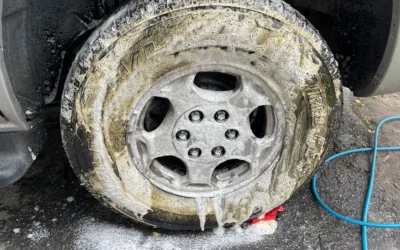
- Clean hard surfaces with a garage-safe degreaser, warm water, and a stiff brush, then rinse lightly and allow extended air drying with the door open. Try repeated light cleaning for concrete spots rather than flooding the area, and check floor safety guidance to avoid slippery residue.
- Remove soft odor holders by taking cardboard, fabric, and paper goods out of the garage and laundering washable shop towels. Wipe inside bins and cabinet interiors with warm water and mild soap, then allow everything to air dry fully before bringing items back inside.
- Control remaining background odor with unscented absorption and dryness by emptying trash often and reducing dampness. Avoid mixing bleach, ammonia, or other reactive cleaners while you work, and step out for fresh air right away if you feel dizzy or get a headache.
When to Consider Replacing It
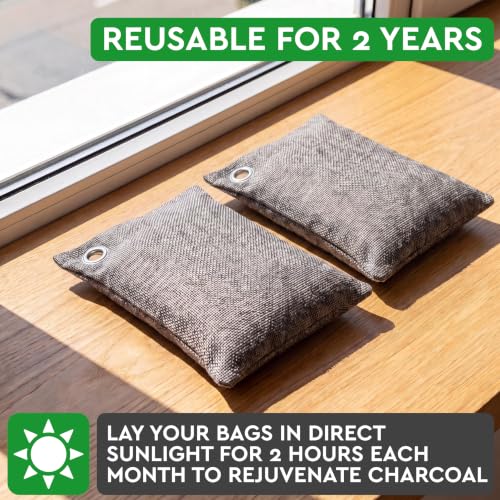
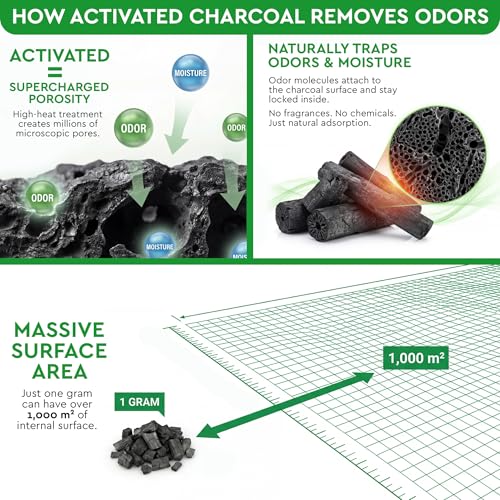
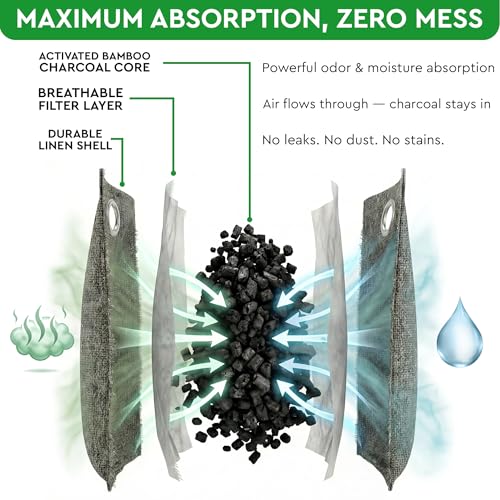
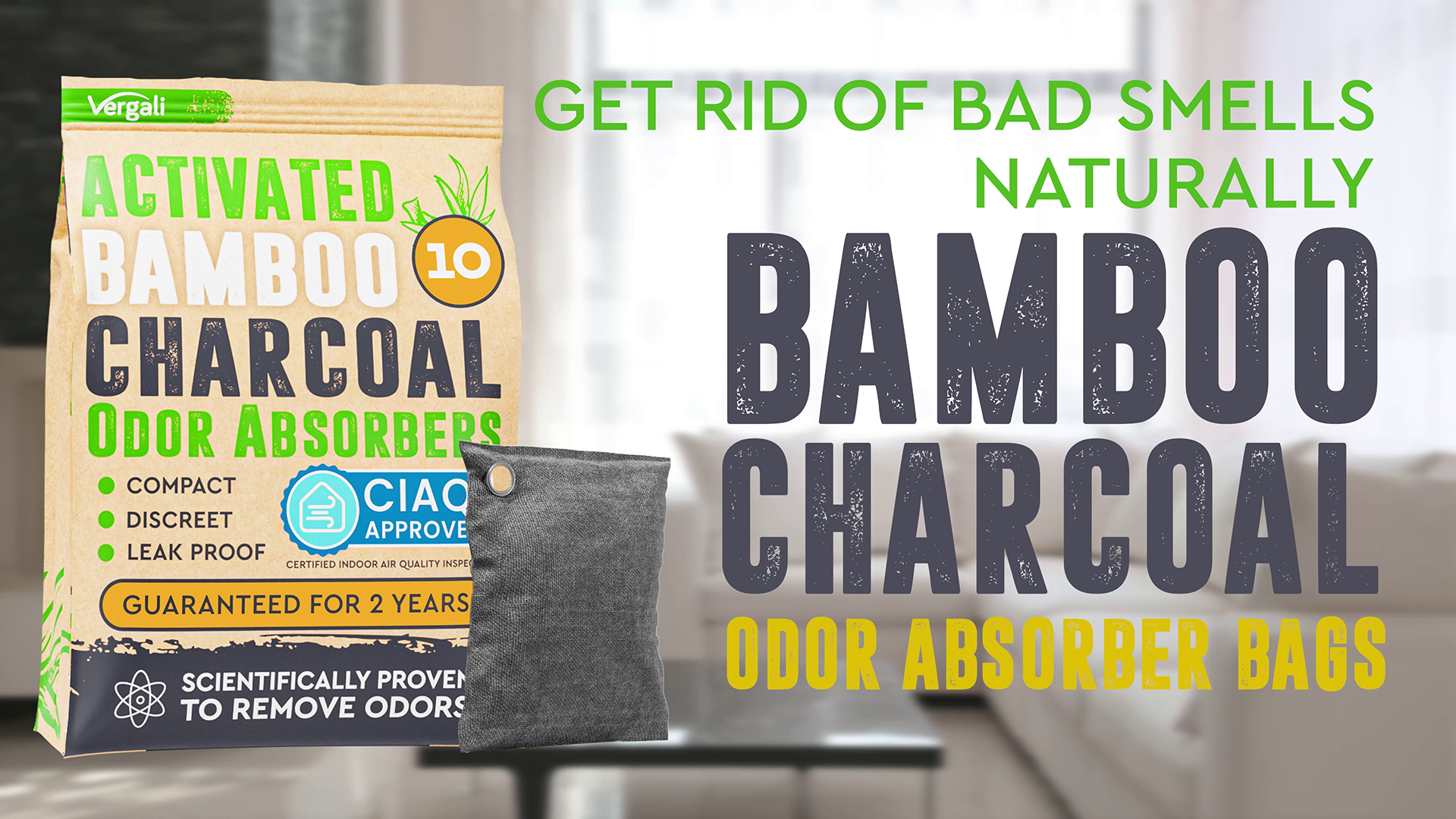
If you have ventilated, cleaned, and resealed containers yet one tote, mat, shelf board, or cabinet still smells every time you open it, that material may have absorbed too much to save. Rusted lids, swollen or cracked cans, brittle bottles, and soft goods that stay sour after washing and a full day of fresh air are often better replaced than kept. If you would rather replace background odor support than keep troubleshooting, one practical option is Activated Charcoal Odor Absorber for Strong Odors to place in the cleaned space after the source is removed and the area is dry.
This article contains affiliate links. If you buy through one of our links, TheGarageCrafted may earn a commission at no extra cost to you. Commissions never influence which products we recommend or how we rank them. Read our Affiliate Disclosure for details.

Prime Vergali Activated Charcoal Odor Absorber 10 Pack




As an Amazon Associate we earn from qualifying purchases. Product prices and availability are accurate as of the date/time indicated.
When to Skip This and Call a Professional
Some situations are not recommended for DIY odor cover up, so skip this routine and get help. If fumes are very strong, spreading into the house, causing headache, dizziness, nausea, or eye and throat irritation, leave the garage right away with people and pets and call your fire department, poison control, or a licensed professional. Always follow the coating and chemical manufacturer’s ventilation instructions for spills, recoating, or cleanup, and do not sand, heat, or seal over a large spill on your own.
Frequently Asked Questions
Why does my garage still smell like chemicals after mopping?
One common cause is residue soaked into concrete, wood, cardboard, or fabric that surface mopping did not reach. Try checking under mats, inside cabinets, and around drains, then repeat light cleaning with fresh air flowing. If one item still smells after cleaning and airing, it may need to be removed or replaced.
How should I ventilate a garage with chemical fumes?
Try cross ventilation by opening the main garage door and an opposite window or side door to let fresh air move through. Use a fan near the opening to exhaust air outward and keep people and pets out until the air feels clearer. Always follow label directions for ventilation and avoid running fuel burning equipment during cleanup.
Can I just use air freshener for garage chemical smell?
Fragrance may briefly mask the scent, but it does not remove the source and can make mixed chemical odors more irritating. Try source removal, cleaning, sealed storage, and moisture control first. Once the space is clean and dry, unscented odor absorption is often a better fit for background freshness.
Browse more picks in our Garage Chemicals & Degreasers category.



Write Your Review
No reviews yet. Be the first to share your experience!