

Quick Answer
If your garage shelf is sagging under weight, the most common cause is too much weight concentrated in the middle of the shelf deck, away from the vertical posts or brackets. Try unloading the shelf, then reloading with the heaviest items on the bottom level and directly over the uprights, and check that all shelf clips, deck panels, and hardware are fully seated and tight.
Why This Happens
Most garage shelving decks are designed to carry weight best when the load is spread evenly and supported at the edges. Wire decks, particle board, or thin steel panels will naturally flex in the center when heavy totes, paint cans, or tool cases sit in the middle without support underneath. That flex is often more noticeable on wider shelves.
Overloading is another frequent culprit, even if the total unit rating seems high. A single shelf has its own limit, and placing several dense items on one level can exceed that level even while the overall unit is under its total rating. Check your manufacturer manual for per-shelf limits and avoid stacking heavy items high up.
Hardware and assembly issues also contribute to sag. Missing center supports, shelf clips that are not fully locked into the post slots, or leveling feet that are uneven can let the deck bow or tilt. On freestanding units, an uneven garage floor can rack the frame slightly, which makes the shelves sit unevenly and sag more under load. For wall-mounted systems, anchors that are not set into studs or solid masonry can allow brackets to deflect.
Environment plays a role too, especially for decks made of particle board or medium-density fiberboard. Humidity and temperature swings in garages can soften or warp those materials over time, so a deck that once felt firm may gradually sag even with the same load. Metal decks can also bend permanently if they have been overloaded once, and they will not spring back on their own. If you are choosing new shelving for a damp or concrete wall environment, see this guide to the best storage rack for concrete wall for options built for those conditions.
Fixes to Try
- Unload the shelf completely and inspect the deck. Look for bowing, cracks, bent wire, or separated particle board, and confirm all clips, tabs, or brackets are fully engaged in the posts. If a deck panel is bent or cracked, try flipping it over or rotating it, but plan to replace a permanently deformed panel.
- Redistribute weight with heaviest items low and over supports. Place dense totes, toolboxes, and liquids on the lowest shelf and directly above the vertical posts or wall brackets, and keep lighter, bulkier items up top. Spread weight evenly across the deck instead of piling it in the center, and avoid exceeding the per-shelf guidance in your manual.
- Reinforce the deck if it is still flexing. For wire shelves, try adding a cut piece of 3/4 inch plywood on top of the wire to spread the load, making sure it sits flat and does not overhang the edges. For units that allow it, add a manufacturer-approved center support or extra shelf reinforcement bar, and do not improvise with unrated materials.
- Tighten everything and level the frame. Hand-tighten all bolts and re-seat shelf clips, then adjust the leveling feet until the unit does not rock and all posts are plumb. For freestanding shelving, anchor the unit to wall studs with the included wall fixing kit or anti-tip hardware to prevent racking and tipping, following the manufacturer instructions closely.
- Check the floor and wall mounting. Move the unit to a flatter section of floor if it wobbles, or use shims under the feet only as the manufacturer allows. For wall-mounted shelves, confirm brackets are secured into studs or proper masonry anchors and that the wall material is suitable, as drywall alone will not hold heavy loads. You can find more ideas for sturdy setups in this roundup of the best garage shelf for workshop use.
When to Consider Replacing It
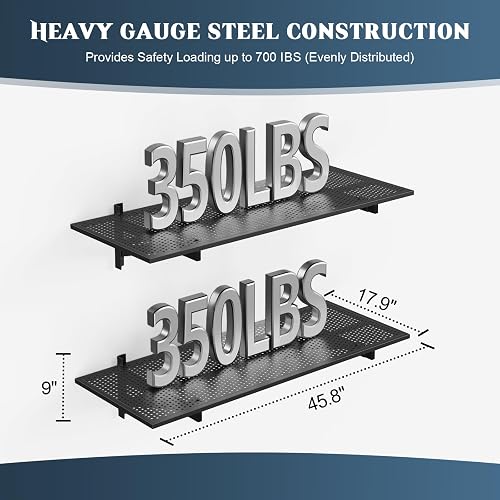
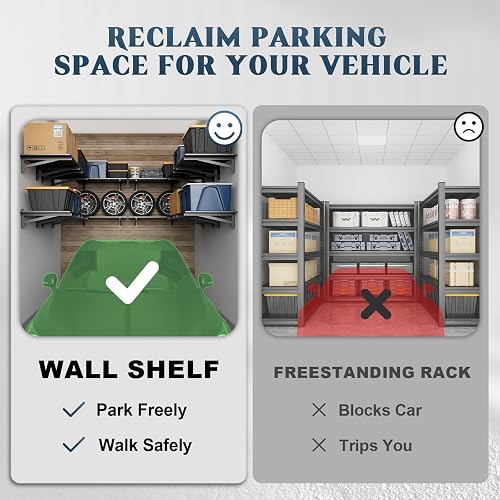
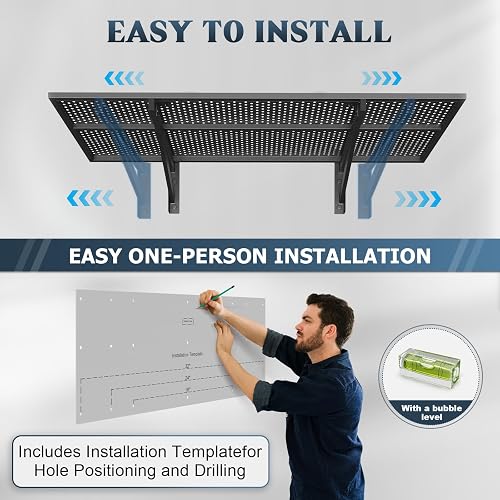
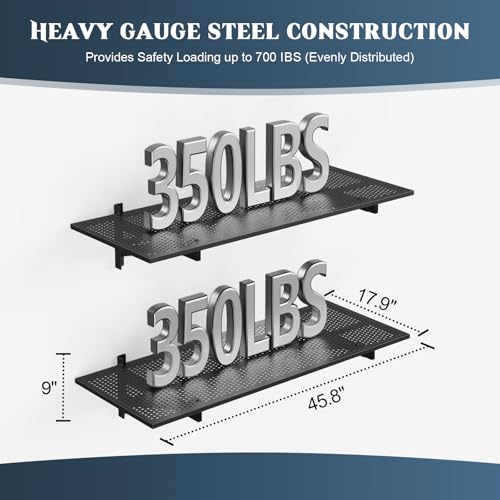
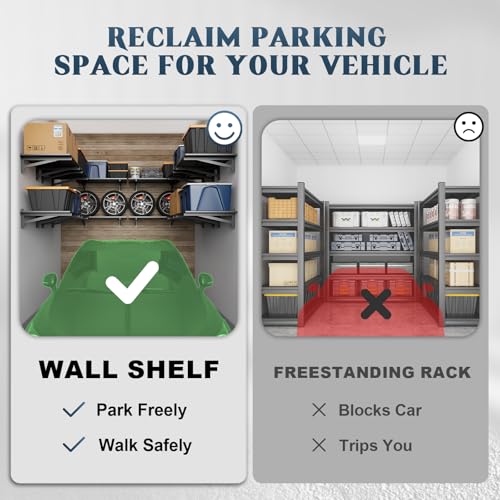
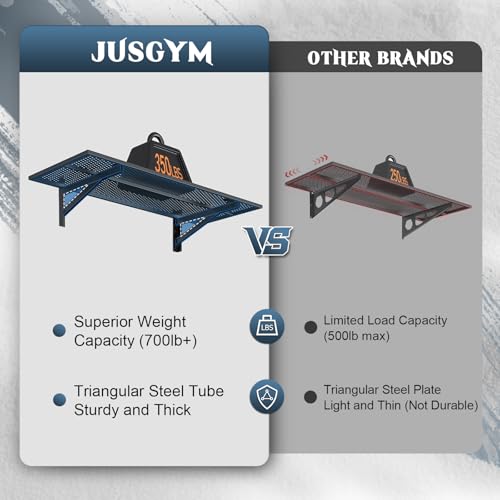
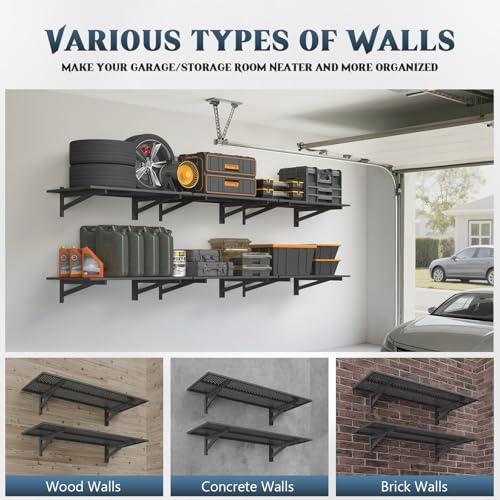
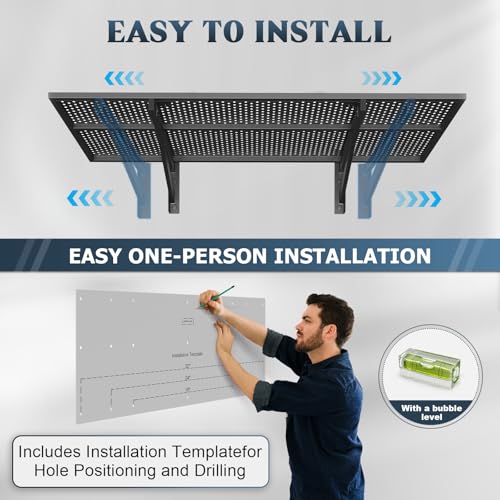
If the deck stays bowed after you unload it, shows cracked welds, split board, or bent brackets, or if the posts are visibly bent, repair is usually not worth the effort and the shelf will keep sagging. At that point, replacing the deck panel or the whole unit with a design that has integrated, welded grids and stronger center support often saves time and prevents future sag. If you would rather replace it than keep troubleshooting, one practical option to consider is the Jusgym 2 Pack Garage Wall Shelving, 1.5x4ft, which uses tightly welded mesh and steel brackets to help reduce sag and keep bins stable.
This article contains affiliate links. If you buy through one of our links, TheGarageCrafted may earn a commission at no extra cost to you. Commissions never influence which products we recommend or how we rank them. Read our Affiliate Disclosure for details.

Jusgym Garage Wall Shelving 2-Pack 1.5x4ft Heavy




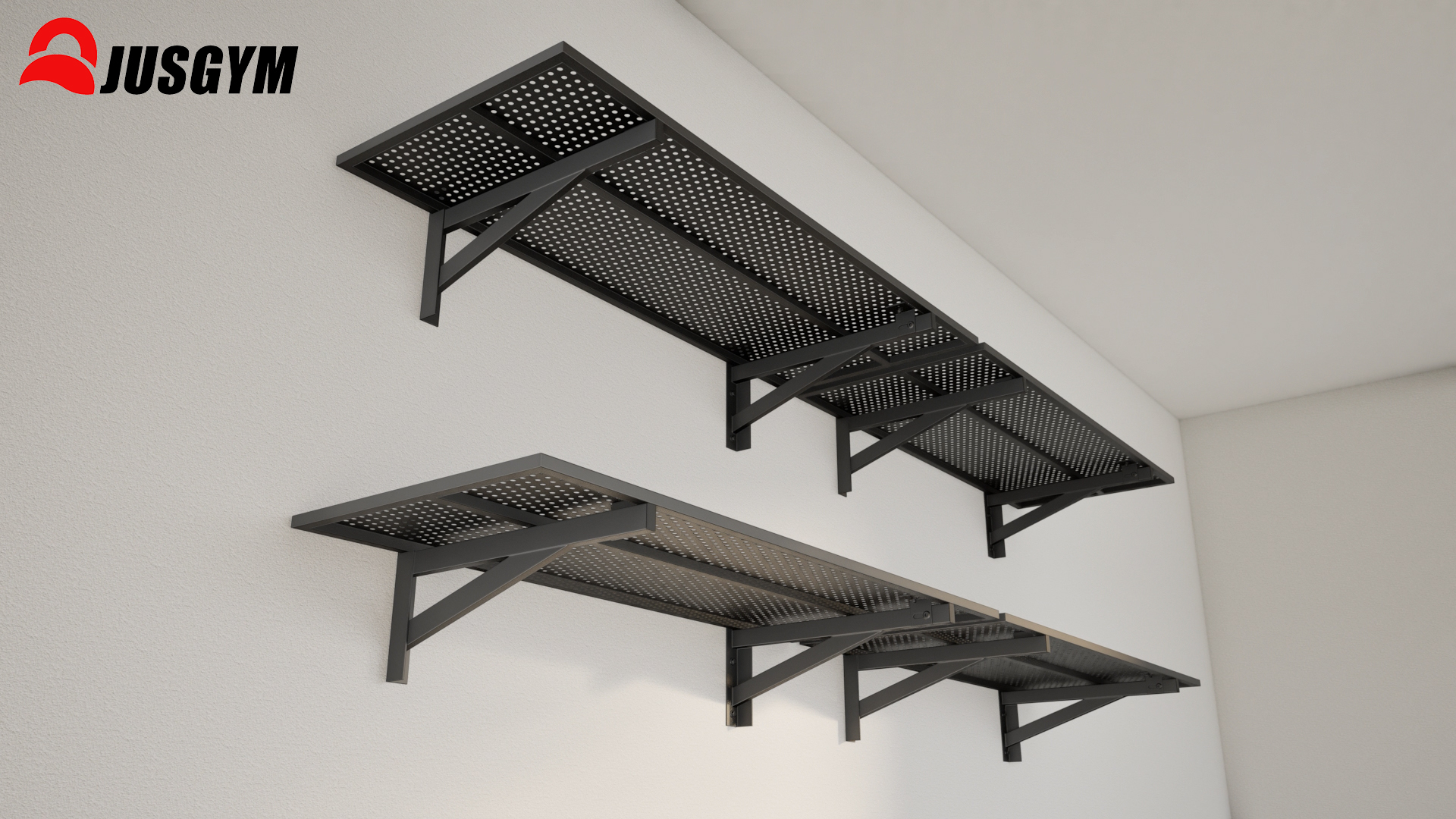
As an Amazon Associate we earn from qualifying purchases. Product prices and availability are accurate as of the date/time indicated.
When you compare replacements, look for features that directly address sag, such as thicker steel uprights, reinforced wire grids instead of split panels, and adjustable spacing that lets you align supports with studs. Also confirm the per-shelf and total unit guidance in the manual matches what you actually store, and choose a finish rated for damp garage conditions if moisture is an issue.
When to Skip This and Call a Professional
This type of DIY reinforcement is not ideal for shelves that are heavily overloaded, visibly collapsing, or holding very tall or top-heavy loads that could tip. If the unit is tall, anchored overhead, or wall-mounted into concrete or masonry and you are unsure about proper anchors, skip this and follow the manufacturer weight capacity and anchoring instructions exactly, and anchor freestanding shelving to the wall to prevent tip-over. For any situation where the frame is damaged, the wall is cracked, or a fall could cause injury, it is not recommended for you to add makeshift supports, consult the manufacturer or a qualified professional instead.
Frequently Asked Questions
Why is my garage shelf sagging in the middle but not at the edges?
The center of the deck has the least support and the most leverage, so weight placed there causes the most flex. Try moving heavy items to the edges directly over the posts or brackets and spreading the load evenly, and consider adding a plywood overlay or manufacturer-approved center support if the deck allows it.
Can I fix a sagging particle board shelf or should I replace it?
Light surface warping can sometimes be improved by unloading, drying the board, and adding support underneath, but swollen, crumbling, or cracked particle board has lost its strength and should be replaced. For garages with humidity, a steel wire or solid steel deck with a rust-resistant finish is often more durable long term.
How do I prevent garage shelves from sagging again after I fix them?
Keep the heaviest loads on the lowest level, keep weight centered over supports rather than in the middle of the span, and do not exceed the per-shelf guidance in your manual. Periodically check that clips, bolts, and wall anchors are tight, keep the frame level and anchored to prevent tip-over, and use bins that distribute weight across the deck instead of small, dense piles.
Browse more picks in our Heavy Duty Shelving & Racking category, or see our related guide on Best Storage Rack for Concrete Wall: 10 Heavy Duty Picks for 2026.








Write Your Review
No reviews yet. Be the first to share your experience!