

Quick Answer
Heavy duty shelving bending in the middle is almost always caused by too much weight concentrated in the center of a long span without enough support underneath. Move heavy items toward the uprights, lighten the sagging shelf, and check that any center braces or support bars are installed correctly, then add a solid reinforcement if the shelf surface itself is flexing.
Why This Happens
Most garage shelving is designed to carry weight best near the vertical posts. When you place a heavy tote, toolbox, or cases of liquids in the middle of a 36 to 55 inch wide shelf, that center point becomes a leverage point and will slowly bow downward, even if you are under the total unit rating.
A common cause is a missing or improperly seated center support. Many wire and metal units include V-type reinforced braces, center crossbars, or wire deck stiffeners that must lock into the frame. If those were left out, installed upside down, or not fully seated, the shelf has no resistance to flexing and will sag quickly under a moderate load.
The shelf material itself also matters. Wire decks can flex between supports, and particle board or MDF decks will sag with humidity, moisture, and time, especially in garages and basements. Once that board takes a bow, it rarely flattens out again, and the sag will get deeper as you keep loading it. If you store heavy totes, you may want to compare options in heavy tote garage cabinets for enclosed alternatives that handle concentrated weight differently.
Uneven floors and unlevel feet can make bending look worse. If the uprights are racked or leaning because the floor slopes or the leveling feet are not adjusted, the shelves twist and the middle drops. Overloading the top shelves while leaving lower shelves light can also raise the center of gravity and put extra stress on the middle of each tier.
Fixes to Try
Start with the lightest, safest steps first. Unload the sagging shelf completely so you can see how much of the bow is permanent and check the frame for damage before you reload it.
- Redistribute the weight. Place the heaviest items directly over or close to the vertical posts and corners, keep lighter items in the center, and move the heaviest loads to the lowest shelf. Try to keep the load even from left to right instead of one heavy stack in the middle.
- Check and reinstall all supports. Look under the shelf for V-type braces, center bars, or wire stiffeners. Make sure each one is facing the correct direction, fully seated in its slots, and locked. One loose brace can cut the stiffness of a shelf in half.
- Flip or reinforce the deck. If the shelf uses a board, flip it over to see if the bow improves, then add a solid piece of 3/4 inch plywood cut to fit on top to spread the load. For wire shelves, a plywood topper helps prevent small items from concentrating pressure between wires.
- Level and stabilize the frame. Adjust the leveling feet until the uprights are plumb and the unit does not rock. Anchor tall units to wall studs with the included hardware so the frame stays square, which helps shelves stay flat. See also best metal garage cabinet for basement if moisture is contributing to board sag in a basement setting.
- Shorten the span or add support. If your unit allows it, adjust shelf heights so heavily loaded shelves are lower, or split a long unit into two shorter sections if the design allows a DIY free combination. For a permanent fix, add a manufacturer approved center support leg or replace a thin board with a thicker, moisture resistant deck.
After each change, reload gradually and check the shelf with a straight edge or level. If the bow returns right away with even a light, evenly spread load, the shelf material has likely taken a permanent set and reinforcement alone may not be enough.
When to Consider Replacing It
If the shelf stays bowed after you have redistributed weight, reinstalled braces, and added a plywood topper, or if you see cracked welds, bent uprights, or flaking and rust where the metal has deformed, repair stops making sense. A permanently deformed shelf will keep sagging and can stress the rest of the frame.
This article contains affiliate links. If you buy through one of our links, TheGarageCrafted may earn a commission at no extra cost to you. Commissions never influence which products we recommend or how we rank them. Read our Affiliate Disclosure for details.

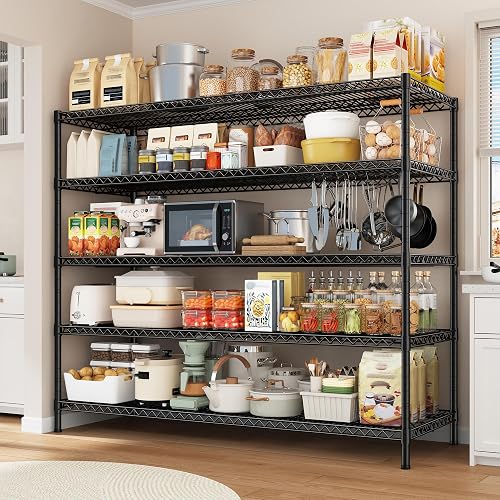
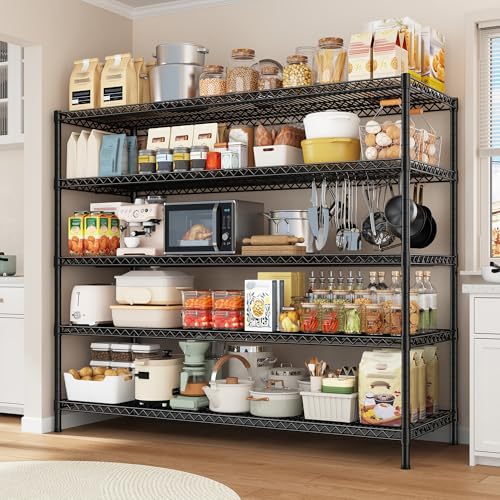
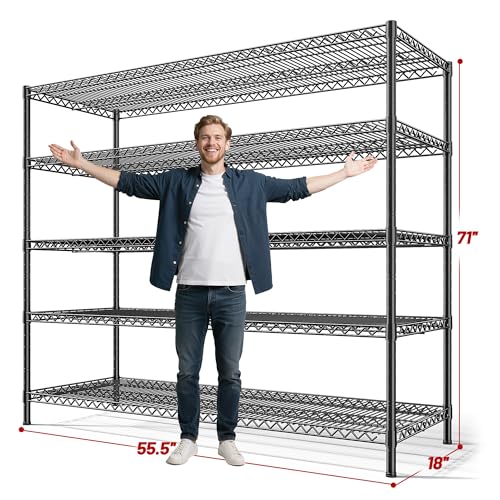
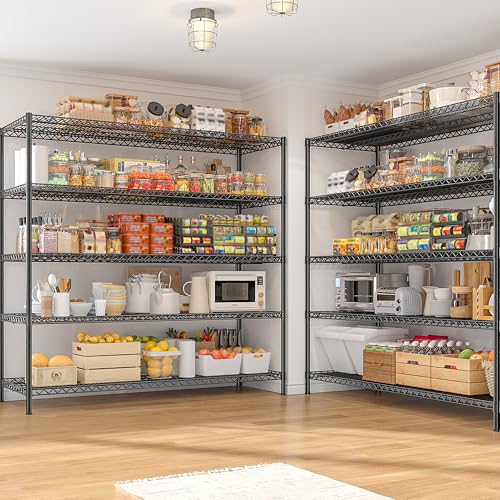
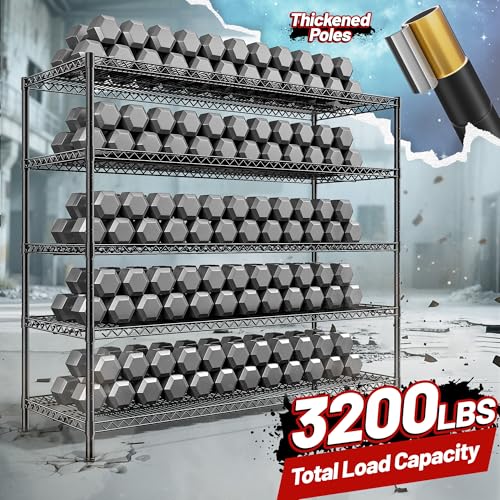
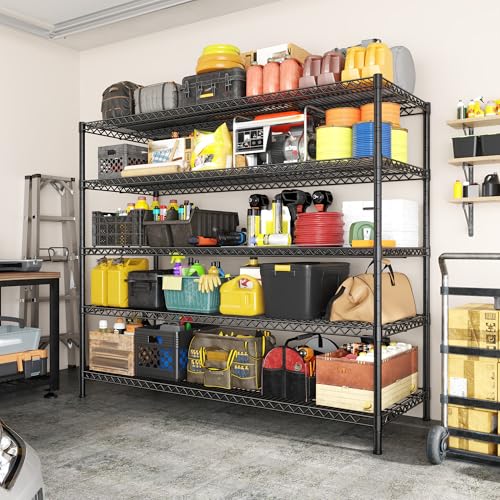
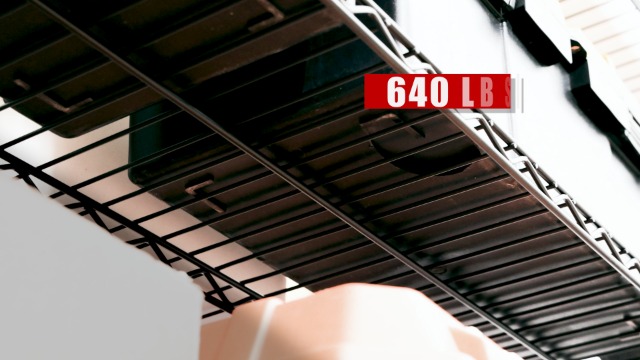
REIBII 55.5" W Heavy Duty 5-Tier Garage Shelving


As an Amazon Associate we earn from qualifying purchases. Product prices and availability are accurate as of the date/time indicated.
If you would rather replace it than keep troubleshooting, look for a unit with reinforced V-type braces on each tier, thicker uprights, and adjustable shelves so you can keep heavy loads low and near the posts. The heavy tote garage cabinets guide can also help you decide between open shelving and closed cabinets for very heavy storage.
When to Skip This and Call a Professional
This type of DIY straightening and reinforcement is not ideal for shelves that are heavily overloaded, visibly bent at the uprights, leaning, or at risk of tipping. Tall or heavily loaded shelving should always be anchored to wall studs and used within the manufacturer’s weight capacity and assembly instructions, and you should skip this fix if the frame is damaged, the unit wobbles after leveling, or you need to store extremely heavy items overhead. In those cases, follow the manufacturer’s guidance or talk to a qualified installer rather than adding makeshift supports.
Frequently Asked Questions
Why is my heavy duty shelving bending in the middle even though I am under the weight limit?
Total capacity is spread across all shelves and assumes weight is evenly distributed. A single heavy item in the center can exceed what that one span can handle, so try moving weight to the edges near the posts and keeping the center lighter.
Can I fix a sagging wire shelf or particle board shelf without replacing it?
Sometimes you can. Try reinstalling any center braces, flipping the board, and adding a plywood topper to spread the load. If the metal is kinked or the board stays bowed after unloading, the deformation is likely permanent and replacement is more reliable.
How do I prevent garage shelving from sagging again?
Keep the heaviest items on the bottom shelf and near the uprights, adjust shelf spacing to fit tall items without stacking, keep boards dry, and check that leveling feet and wall anchors stay tight. Periodically check for new bowing and lighten any shelf that starts to dip in the center.
Browse more picks in our Heavy Duty Shelving & Racking category, or see our related guide on How Much Does an Adjustable Shelving Rack Cost? 2026 Guide.




Write Your Review
No reviews yet. Be the first to share your experience!