

Quick Answer
Metal cabinet rusting near the garage door is most often caused by moisture exposure, not a bad cabinet. Rain blow-in, snow melt, and daily condensation collect on the bottom edges and seams, and any chip in the paint lets rust start. Try cleaning and drying the area, lightly sanding surface rust, then applying a rust-inhibiting primer and touch-up paint, and improve ventilation around the cabinet before you decide to replace it.
Why This Happens
Garage doors are the leakiest part of your garage. Every time the door opens, outside air, rain mist, and humidity rush in, and the first few feet inside the door stay damp longer than the back wall. If your cabinet sits in that zone, it gets repeated wet and dry cycles that wear down its finish.
Powder coating helps, but it is not impervious. A scratch from a shovel, a dent from a tote, or a factory seam that was not fully sealed can expose bare steel. Once water sits in that spot, especially along the bottom edge or around the feet, surface rust spreads under the coating and bubbles the paint.
Poor airflow makes it worse. Cabinets pushed tight against the wall or sitting directly on concrete trap moisture underneath and behind them. Concrete wicks water, and without a gap for air to circulate, condensation never fully dries. You may notice rust first on the back panel, the bottom shelf, or the door hinges.
Road salt and coastal air accelerate the problem. In winter, salty slush from your car tires sprays toward the garage door area and settles on low metal surfaces. That residue is corrosive and will speed up rust if you do not rinse it off. If you are comparing options for damp spaces, this guide to the best metal garage cabinet for basement explains which finishes hold up better in humid environments.
Fixes to Try
Work from the gentlest fix to the most involved. Always wear gloves and eye protection when sanding or painting, and work with the garage door open for ventilation.
- Move, clean, and fully dry the cabinet. Pull the cabinet away from the wall and door, empty it, and vacuum dust and debris. Wash the rusted area with mild soap and water, rinse, then dry thoroughly with towels and let it air dry. Check for standing water on the floor and wipe the concrete underneath.
- Remove loose rust and scuff the surface. Use a fine sanding sponge or non-woven abrasive pad to gently remove flaking paint and orange rust until you reach clean metal or a firm edge. Wipe away dust with a damp cloth, then dry again. Do not grind aggressively, you only want to create a smooth, stable surface for primer.
- Prime and touch up with rust-inhibiting products. Apply a rust-inhibiting metal primer to any bare steel spots following the can instructions, then add a matching enamel or appliance touch-up paint. Keep coats light and let each coat dry fully. This seals the metal and helps prevent the rust from spreading under the surrounding finish.
- Create airflow and lift the cabinet off the floor. Place the cabinet at least an inch off concrete using adjustable feet, a plastic riser, or shims, and leave a small gap behind it for air circulation. If it is a wall-mounted unit, confirm it is level and securely anchored so air can move underneath. For heavy loads, review ideas in heavy tote garage cabinets to see how weight and placement affect moisture trapping.
- Control moisture at the door. Check the bottom seal and side weatherstripping on your garage door for gaps that let rain blow in, and sweep or squeegee water away from the door after storms. Consider a small fan or dehumidifier during humid months, and avoid storing wet tools or salty items directly on the cabinet without drying them first.
When to Consider Replacing It
Touch-up works well for surface rust, small chips, and discoloration around seams. If the metal is pitted, flaking in large sheets, or the bottom panel feels soft, bent, or swollen, or the doors no longer close squarely, the structure may be compromised and repainting will only hide the issue for a short time.
If you would rather replace it than keep patching, look for a cabinet with a full powder-coated steel construction and sealed seams that is designed to handle garage humidity. One practical option to consider is the Garage Cabinets & Lockers category favorite with rust and scratch resistant coating and adjustable shelves for better airflow.
This article contains affiliate links. If you buy through one of our links, TheGarageCrafted may earn a commission at no extra cost to you. Commissions never influence which products we recommend or how we rank them. Read our Affiliate Disclosure for details.

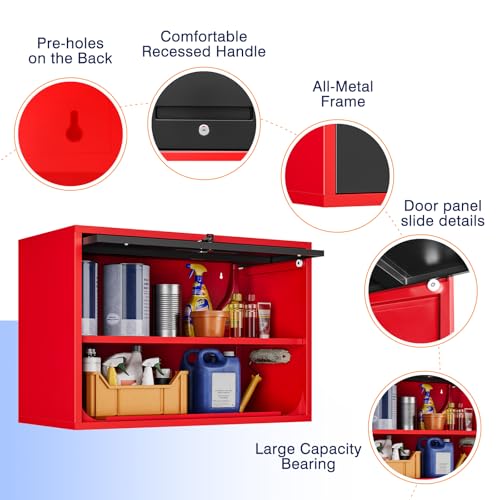
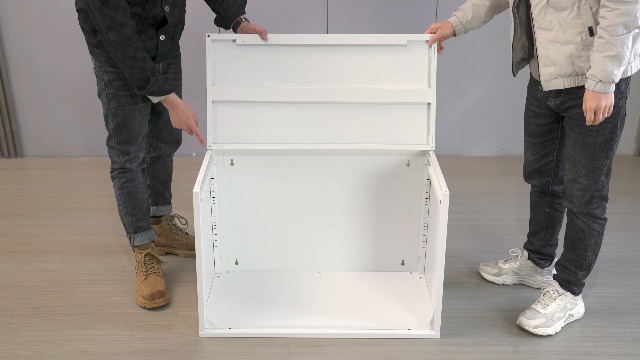
Prime Yizosh Metal Wall Mounted Garage Cabinet





As an Amazon Associate we earn from qualifying purchases. Product prices and availability are accurate as of the date/time indicated.
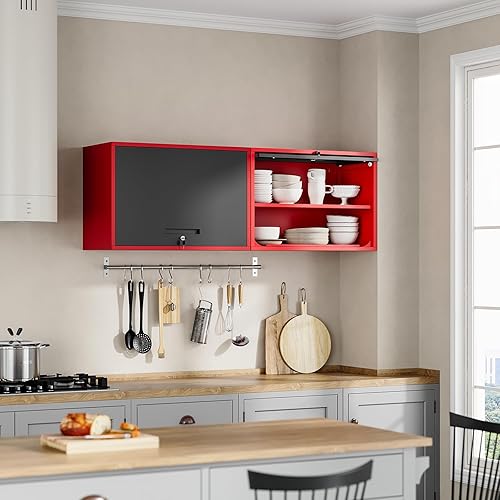
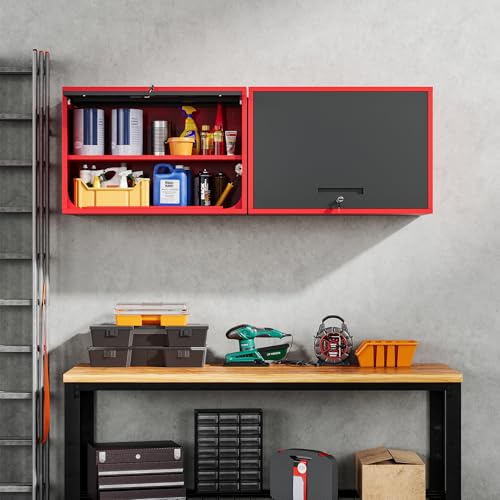
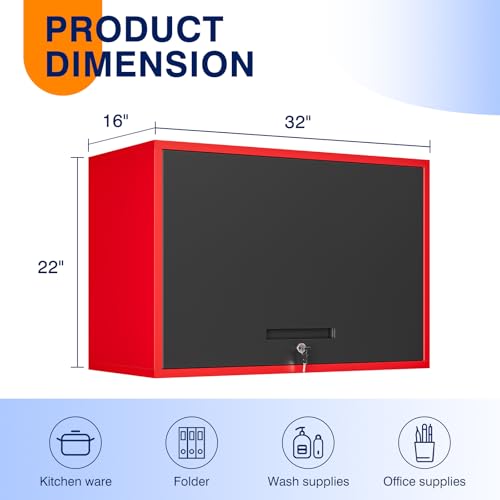
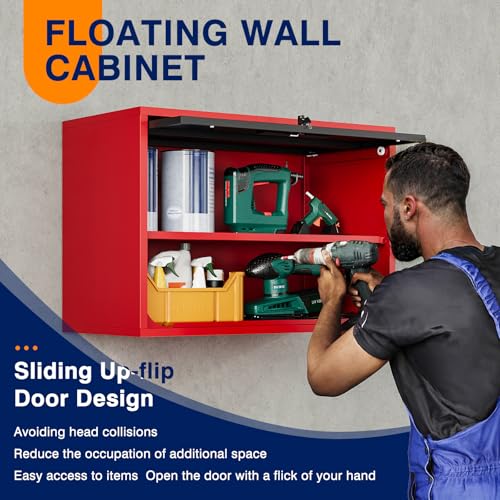
The Yizosh Metal Garage Wall Cabinet with Doors uses 0.8mm steel with a powder coating for rust and scratch resistance, and its wall-mounted, floating design helps keep the cabinet off the damp floor near the door while utilizing upper wall space. Its adjustable and removable shelves also let you keep items off the bottom where moisture collects.
When to Skip This and Call a Professional
DIY sanding and touch-up is not ideal for cabinets with deep structural rust, sharp flaking metal, or a wall-mounted cabinet that feels loose or is pulling away from the wall. This approach is also not a good fit if the cabinet is tall, heavily loaded, and not anchored to studs, or if you see mold, persistent dampness, or water pooling that points to a door seal or drainage problem. For wall-mounted or tall cabinets, always follow the manufacturer’s weight capacity and anchoring instructions and anchor the unit to wall studs to prevent tip-over, and consult a qualified contractor or garage door professional for leaks, concrete issues, or any mounting that feels unsafe.
Frequently Asked Questions
Why is only the cabinet near the garage door rusting?
That spot gets the most moisture. Rain, snow melt, and humid outside air hit the door area first, and temperature swings create condensation on cold metal. Cabinets farther inside the garage stay drier, so they often show no rust at all.
Can I stop rust without moving the cabinet?
You can slow it by cleaning, drying, and sealing the rusted spots, but moisture will likely return if the cabinet stays on damp concrete with no airflow. Try lifting it off the floor, adding a gap behind it, and improving door seals and ventilation for a more lasting result.
Should I use regular paint to cover garage cabinet rust?
Regular wall paint is not recommended for metal rust. Try a primer specifically labeled for rusty metal, then a durable enamel or metal touch-up paint. If you are weighing replacement versus repair, comparing storage styles in letaya metal garage storage cabinets with Lock-72 vs letaya metal storage cabinets locker with lock can help you choose a more moisture-resistant layout.
Write Your Review
No reviews yet. Be the first to share your experience!