

Quick Answer
If you have no wall studs in the spot where the rack needs to go, do not hang heavy gym plates, dumbbells, or wall shelves on drywall alone. One common cause is simply framing spacing that does not line up with your ideal layout, not a flaw in your wall. Try spanning to the nearest wood studs with a plywood backer or horizontal ledger boards, then attach the rack to that solid base. If that is not possible in 2026, shifting the rack a few inches or switching to a freestanding frame is often safer and simpler.
Why This Happens
Garage framing is placed for structural support, not for your gym layout. Most walls use vertical wood studs spaced at regular intervals, so it is normal for the perfect spot for a rack to fall in a hollow bay between studs. Door openings, windows, corners, and breaker panels create even larger gaps with no solid wood behind the drywall. This mismatch is very common in compact garages planned around small space garage gym ideas, where every inch matters for clearance and parking.
Drywall alone is not made to carry dynamic gym loads. Static boxes may sit fine for a while, but reracking weights, pulling bands, or bumping a loaded shelf adds leverage and vibration that loosen anchors over time. One common cause of sagging or pullout is using plastic expansion anchors or small toggle bolts meant for light decor to hold heavy plates or bars. Humidity, temperature swings, and repeated door vibration in a garage can loosen that grip even faster, which is why a solid wood connection matters.
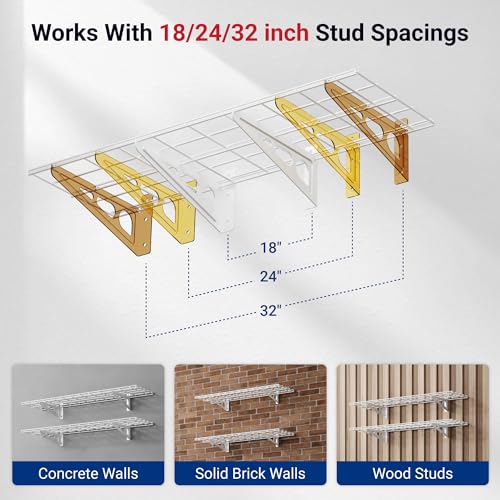
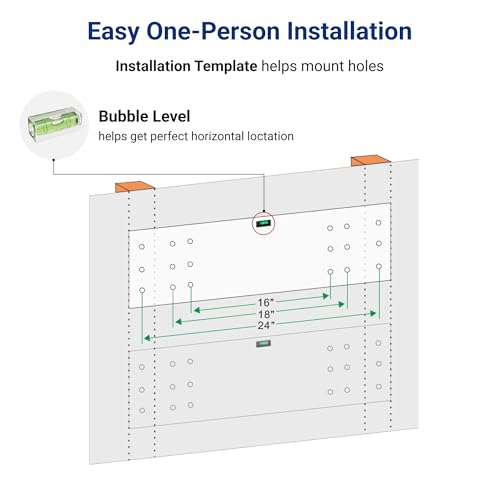
Wall material also changes what is possible. Some garages have metal studs, concrete, block, or thick plaster instead of wood studs, and standard wood screws will not grip correctly. For example, the FLEXIMOUNTS wall shelf line is rated for wood stud spacing of 18, 24 or 32 inches and is not made for metal stud walls, so confirming your wall type is critical before you drill more holes. A magnetic finder, small pilot hole, and visual check in the attic or behind an outlet cover can help you confirm what you actually have.
Small gym layouts make the problem more visible. You may need the rack centered between vehicles, clear of the garage door track, and close to a mirror or storage zone, which rarely lines up with framing. Shifting the whole gym to chase studs can block walkways or reduce lifting space. That is why many owners explore heavy duty shelving and racking layouts or wall backers that let you keep your ideal floor plan while still anchoring into solid wood on both sides of the gap.
Fixes to Try
- Locate and mark every stud in the area with a magnetic finder and painter’s tape, then measure the full width of your rack to see if you can shift it. Try moving it 2 to 4 inches left or right to hit solid wood on both sides without blocking doors or parking space.
- Install a 3/4 inch plywood backer across at least two wood studs with structural screws driven into the center of each stud. Then mount your rack brackets through the plywood into the backer, which spreads the load and lets you place the rack exactly where you need it.
- Add two horizontal ledger boards, one high and one low, screwed into as many studs as you can reach. Then attach the rack uprights to the ledgers, check for level, and confirm all fasteners are snug before you load any weight.
- Split one wide rack into two narrower sections that each land on studs, which can reduce span and stress on any single bay. Store the heaviest plates low or on the floor, and keep lighter accessories up high to lower pullout force on the wall.
- Switch to a freestanding solution when the wall will not cooperate, such as floor standing units or floor to ceiling posts that need no wall holes. This approach is often helpful for rentals, concrete walls with unknown conditions, or bays with wiring and plumbing in the way.
When to Consider Replacing It
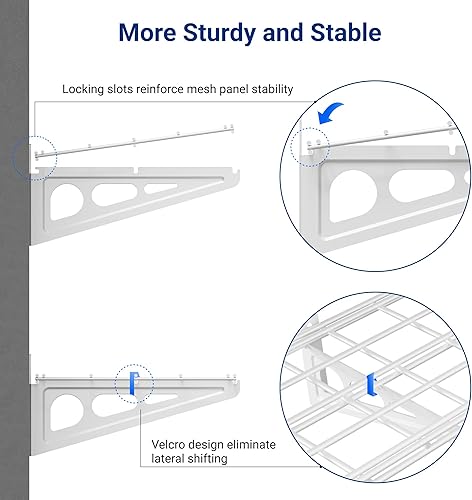
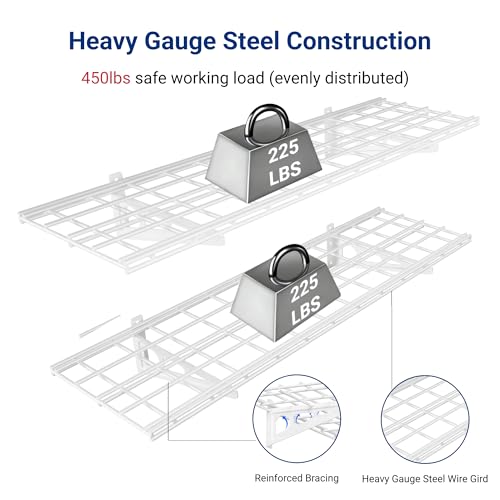
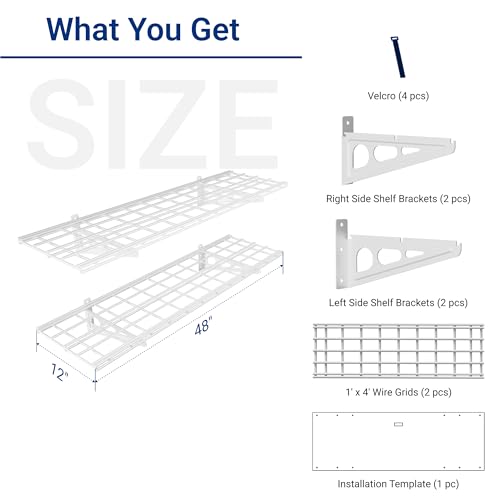
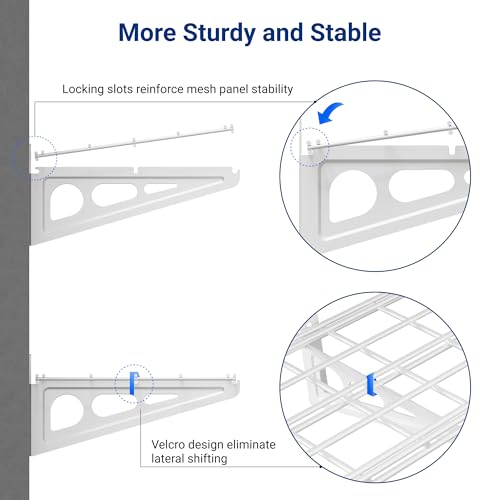
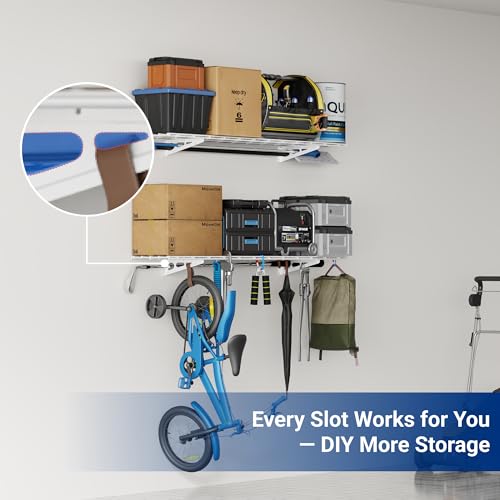
If your drywall is crumbling, holes are enlarged and patched multiple times, brackets are bent, or you still cannot reach two wood studs after adding a backer, repair stops making sense. Continued drilling in a weak bay will only loosen the grip further and leave the rack unstable for gym loads. If you would rather replace it than keep troubleshooting, one practical option built for wood stud walls is the FLEXIMOUNTS 2-Pack 1x4ft 12-inch-by-48-inch Wall, which supports up to 450 lbs in total with up to 225 lbs per shelf when anchored as directed. You can also browse garage cabinets and lockers for enclosed storage that may suit your layout better.
This article contains affiliate links. If you buy through one of our links, TheGarageCrafted may earn a commission at no extra cost to you. Commissions never influence which products we recommend or how we rank them. Read our Affiliate Disclosure for details.

Prime FLEXIMOUNTS WR14 2-Pack 12x48 Inch Garage Wall







As an Amazon Associate we earn from qualifying purchases. Product prices and availability are accurate as of the date/time indicated.
When to Skip This and Call a Professional
Some situations are not ideal for DIY anchoring and call for a different plan or a pro. Drilling near breaker panels, meters, or outlets where you suspect wiring or plumbing behind the drywall is not recommended for DIY work, so skip this and contact a licensed electrician or qualified contractor instead. The same applies to tall or heavily loaded shelving and any ceiling mounted storage, always follow the manufacturer weight capacity and ceiling joist anchoring instructions, anchor tall shelving to the wall to prevent tip over, and never exceed the rated limit. If the wall feels soft, cracked, or moves when pushed, pause and get an in person assessment.
Frequently Asked Questions
Can I use drywall anchors if I have no wall studs in the spot where the rack needs to go?
You can try light duty anchors for very light accessories, but they are a poor match for plates, bars, and full shelves that get pulled and bumped. One common cause of failure is anchor pullout under leverage, even if the shelf feels solid at first. For gym loads, try a plywood backer into wood studs or move to freestanding storage instead.
How do I mount a rack when studs are too far apart for my brackets?
Try bridging the gap with a plywood panel or two horizontal ledgers that screw into studs on both sides of the bay. Then attach your rack to that solid surface and verify it is level and snug before loading. This lets you keep the rack centered where you lift while still using the structure of the wall.
What if my garage has metal studs or concrete where I want the rack?
Standard wood stud hardware is not the right choice for metal studs or unknown masonry, and over tightening can crush or crack the base material. Check your wall type first, then consider freestanding shelves, cabinets, or a wall system rated for your specific wall. If you are unsure, pause and ask a qualified contractor for guidance before drilling more holes.








Write Your Review
No reviews yet. Be the first to share your experience!