

Quick Answer
Most cases of rolling tool cabinet wheels stuck or squeaking come from debris wrapped around the axle or dry swivel bearings, and a thorough cleaning plus proper lubrication often restores smooth movement. Start by locking the brakes, clearing hair, dust, and grit from around each wheel and the swivel plate, then apply a light silicone lubricant or machine oil to the axle and raceway and spin the wheel to work it in.
Why This Happens
Garages generate a lot of debris that ends up in your casters. Fine concrete dust, wood shavings, metal filings, and even hair and string can wrap around the axle or pack into the swivel raceway, which creates drag, prevents the wheel from turning freely, and produces that high pitched squeak when you push a loaded cabinet.
Lubrication also dries out over time, especially if the cabinet sits in one spot for months under load. When the factory grease evaporates or gets washed away by mopping, the steel bearings and swivel plate run metal on metal, so you hear squeaking, feel sticking, and notice the wheels no longer swivel a full 360 degrees without effort.
Weight and floor conditions add to the problem. An overloaded cabinet or uneven weight distribution puts side pressure on the casters, which can flatten small polyurethane wheels slightly and make them stick. Cracks in the concrete, expansion joints, floor mats, or a brake pedal that is not fully released can also make it feel like the wheels are locked when they are just catching.
Moisture and loose hardware make noise worse. Humidity, wet mopping, or a damp garage floor can lead to light surface corrosion on the steel caster frame and axle, while screws that have worked loose let the top plate wobble. That wobble allows the wheel to tilt, rub against the frame, and squeak with every push. If you are comparing setups, a rolling tool chest for your workshop setup will show how different caster sizes and mounting styles handle these loads.
Fixes to Try
- Lock the brakes, unload the top drawers to reduce tipping risk, and carefully tilt or lift one end just enough to access the wheels. Use a flashlight, pick out hair and string with tweezers, and brush away packed dust from around the wheel, axle, and swivel plate with a stiff brush.
- Clean the wheel faces and the floor contact area with a dry rag, then apply a small amount of dry silicone lubricant or light machine oil to the axle ends and the swivel raceway. Spin and swivel each caster several times to distribute the lubricant, and wipe away excess so it does not attract more dust.
- Check that the brake pedals are fully released and not dragging. Step the brake on and off a few times, look for a bent brake tab rubbing the wheel, and try pushing the cabinet with all brakes up to isolate whether the sticking is from a partially engaged lock.
- Tighten the mounting plate or stem hardware and check the floor. Snug any loose screws, look for a cracked or bent top plate, and try rolling the cabinet on a smooth, flat section of concrete to see if cracks, mats, or debris on the floor are causing the catch.
- Isolate the bad caster. Spin each wheel by hand while the cabinet is safely supported and listen for grinding or wobbling. If one wheel stays stuck or squeaks after cleaning and lubrication while the others roll quietly, that single caster is likely worn and should be the focus of replacement rather than the whole cabinet.
When to Consider Replacing It
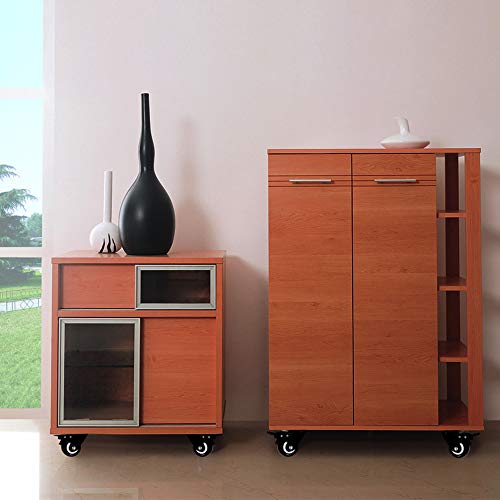
If cleaning and lubrication do not help, look for physical damage that repair cannot fix. A wheel with a flat spot, chunking, cracks in the polyurethane tread, a bent fork, or a swivel that grinds even after lubrication usually means the bearing or raceway is worn. At that point swapping the caster set is often faster and more reliable than continuing to troubleshoot, especially if you need a rolling tool chest built for heavy totes that rolls smoothly under load. If you would rather replace than keep troubleshooting, one practical option in this category is the 2″ Swivel Casters Set of 4 with its polyurethane wheels and dual locking brakes for workshop use.
This article contains affiliate links. If you buy through one of our links, TheGarageCrafted may earn a commission at no extra cost to you. Commissions never influence which products we recommend or how we rank them. Read our Affiliate Disclosure for details.

Prime CLOATFET 2 Inch Swivel Plate Casters Set of 4


As an Amazon Associate we earn from qualifying purchases. Product prices and availability are accurate as of the date/time indicated.
When to Skip This and Call a Professional
This type of cleaning and lubrication is not ideal for cabinets that are extremely heavy, top heavy, or already tipping, and it is not a good fit if the caster mounting plate has torn out of the cabinet bottom or the cabinet frame itself is cracked or bent. If you need to lift a fully loaded chest, weld a frame, or drill new mounting holes in a damaged cabinet, skip this and get help from another person or a qualified technician to avoid injury and to keep the cabinet stable. You can browse more options in the full Rolling Tool Chests & Cabinets section before deciding on repair versus replacement.
Frequently Asked Questions
Why are my rolling tool cabinet wheels squeaking only when the cabinet is loaded?
Squeaking under load often points to dry bearings or side pressure on the swivel. Weight increases friction in a dry raceway and can flex a loose mounting plate just enough to make metal parts rub, so try redistributing heavy tools to lower drawers, tightening the mounting hardware, and lubricating the swivel and axle.
Can I use WD-40 to fix squeaky tool cabinet casters?
You can use it to help clean and free a stuck caster, but it is not a long lasting lubricant for bearings. After cleaning, wipe it off and apply a dry silicone spray or light machine oil designed for bearings, then spin the wheel to work it in and wipe away excess to reduce dust buildup.
How do I stop my rolling tool cabinet from getting stuck on garage floor cracks or mats?
Small diameter wheels can catch on expansion joints, thresholds, and thick mats. Try clearing debris from the crack, rolling slowly at a slight angle, and checking that larger, non marring polyurethane wheels are in good shape without flat spots, and consider a smoother path or a floor mat with a beveled edge if sticking continues.




Write Your Review
No reviews yet. Be the first to share your experience!