

Quick Answer
If your specialty mount is loose from the wall, the anchor behind it has almost always lost its grip in drywall or the screw never hit a solid stud. Tightening the screw alone will not hold for long, you need to remove the load, check whether the anchor spins or pulls out, and reset it with the correct hardware for your wall type.
Why This Happens
Most specialty mounts, including sign standoffs, French cleats, and claw-style picture hangers, depend on what is behind the drywall. Drywall itself is soft and crumbly, so if the mount is held only by a small plastic tube or a screw with no anchor, normal vibration and leverage will slowly enlarge the hole until the mount wobbles.
Using the wrong hardware for the wall is another common culprit. Hardened steel claws that lock into drywall are not designed for concrete, brick, or plaster, and standard plastic expansion tubes can slip or crack in those harder materials. You can browse the full Hooks, Holders & Specialty Mounts category to see how different mounts are matched to specific wall types.
Weight and leverage also loosen mounts over time. A wide mirror, acrylic sign, or shelf hung from a single point puts twisting force on the top anchor, and any extra load beyond what the hardware is rated for will gradually pull the anchor forward. Even a mount that felt solid at first can start to sag after a few weeks of that constant pull.
Installation details make a difference too. An oversized pilot hole, a screw that was overtightened and stripped the anchor, or a missing rubber washer or bracket pad lets the mount flex against the wall. In garages, humidity and temperature swings can expand and contract the wall material around the anchor, which loosens the fit further. For related organization ideas, see how Pegboard & Metal Pegboard systems distribute weight across multiple points.
Fixes to Try
Start with the easiest and safest checks first, and work toward a full anchor replacement only if needed. Always remove the item from the mount before you begin so you are not working under load.
- Unload and wiggle check the mount. Take the frame, sign, or holder off, then gently try to move the mount side to side. If the screw spins freely, the whole assembly shifts, or you see dust falling from the hole, the anchor has failed and needs replacement rather than just tightening.
- Confirm your wall type and choose matching hardware. For drywall with no stud, use a drywall-rated claw or anchor, for plaster use an anchor rated for plaster, and for concrete or brick use a masonry anchor and the correct drill bit. If you can locate a stud with a stud finder, driving at least one screw into the stud will greatly improve hold.
- Repair an enlarged hole before reinstalling. Clear out loose debris, fill a slightly oversized drywall hole with wall repair compound, let it cure fully according to the product instructions, then drill a new pilot hole sized for the new anchor. If the damage is severe, shift the mount an inch or two to solid, undamaged material and patch the old hole.
- Reinstall flat and snug, not overtight. Keep the bracket or standoff base flat against the wall, use any included washers or rubber pads to protect the surface and prevent flexing, and tighten until firm. Stop as soon as it is snug, overtightening can strip drywall and create a new loose spot.
- Reduce leverage and distribute weight. Use two hanging points for wide or heavy items instead of one, keep the load close to the wall, and verify the item is within the hardware’s rated capacity. If you store heavier gear in the garage, consider whether Heavy Duty Shelving & Racking anchored to studs would be a more stable long-term solution.
When to Consider Replacing It
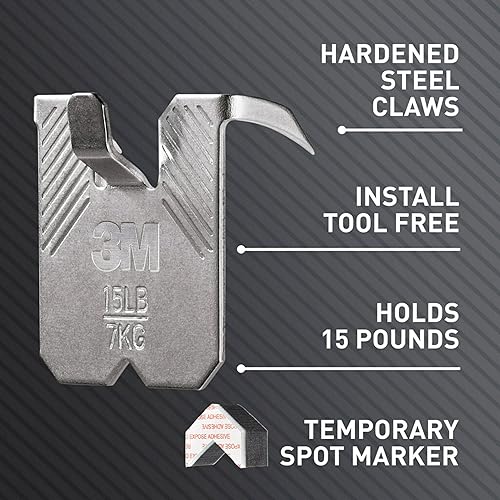
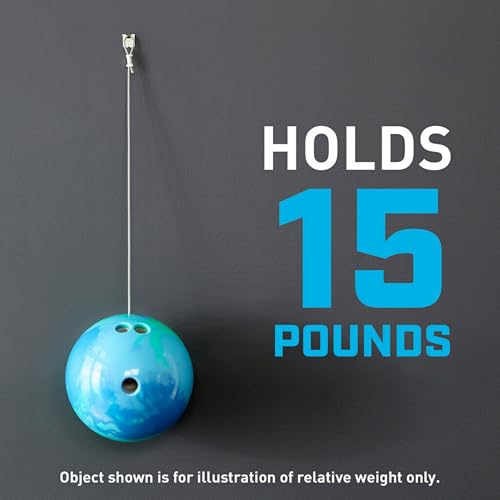
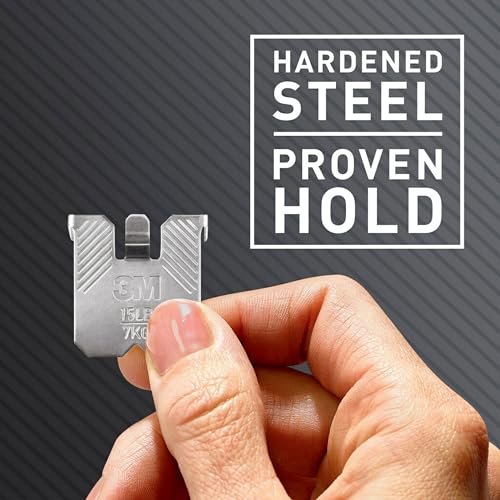
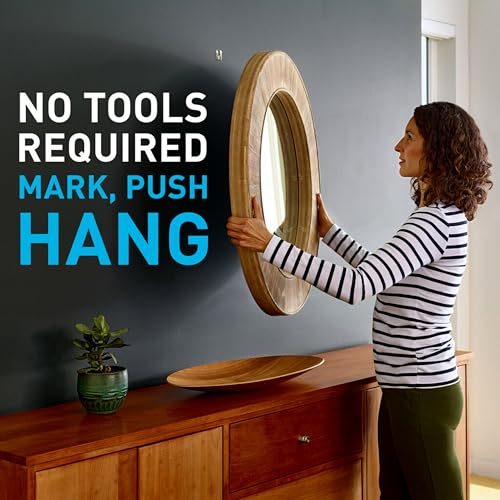
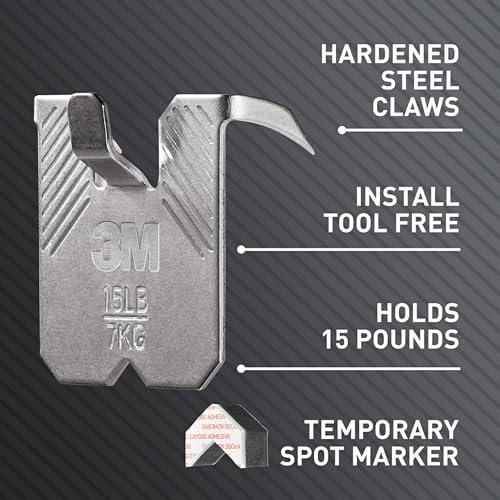
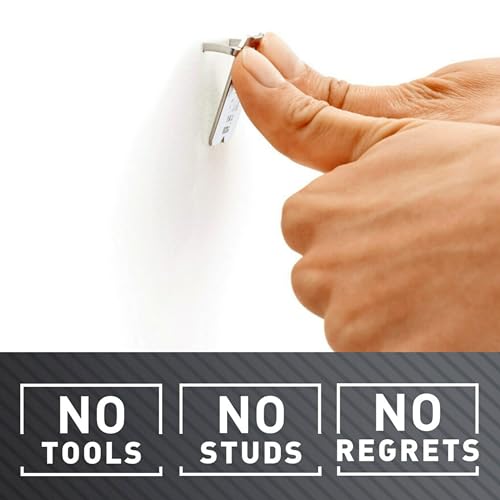
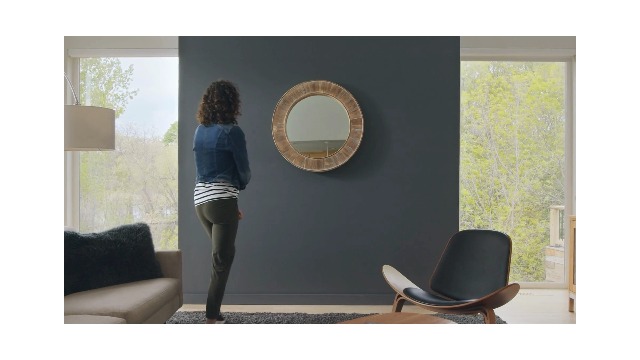
If the wall around the mount is crumbling, the same hole keeps enlarging after two repairs, or the metal bracket, standoff barrel, or cleat itself is bent, cracked, or corroded, further patching is unlikely to hold. In that case replacing the mount with hardware that matches your wall type and load is more reliable than repeatedly reusing a damaged anchor. If you would rather replace it than keep troubleshooting, one practical option is the 3M Claw 15 lb. Drywall Picture Hanger with Spot, which uses hardened steel claws that lock into drywall without studs and includes spot markers to help you position it accurately.
This article contains affiliate links. If you buy through one of our links, TheGarageCrafted may earn a commission at no extra cost to you. Commissions never influence which products we recommend or how we rank them. Read our Affiliate Disclosure for details.

Prime 3M CLAW 15 lb Drywall Picture Hangers 5 Pack




As an Amazon Associate we earn from qualifying purchases. Product prices and availability are accurate as of the date/time indicated.
When to Skip This and Call a Professional
This type of DIY reset is not ideal for heavy, overhead, or safety-critical installations such as large flat-panel TVs, thick glass or acrylic panels, or any mount located above a bed, desk, or doorway. If the mount supports a significant load, pulls from the ceiling, shows wide cracks or bulging drywall, or you need to run new electrical behind the wall, skip this and follow the manufacturer’s weight and anchoring instructions or contact a qualified professional. Do not try to improvise anchors for ceiling-mounted or heavily loaded storage, the risk of a fall is not worth it.
Frequently Asked Questions
Why does my specialty mount keep coming loose even after I tighten the screw?
A screw that tightens but loosens again is usually spinning inside a stripped anchor or in drywall with no anchor at all. Try removing the mount, inspecting the anchor for damage, and replacing it with a new anchor sized for your wall type rather than reusing the old one.
Can I reuse the same hole if the anchor pulled out of drywall?
Sometimes you can, but only after repair. If the hole is just slightly enlarged, fill it, let it cure fully, and drill a fresh pilot hole for a new anchor. If the drywall is soft, crumbled, or the hole is much larger than the anchor, it is more secure to patch it and move to a new spot nearby, ideally into a stud.
How do I know if I need a stud or if drywall anchors are enough?
Check the item’s weight and how far it sticks out from the wall, more weight and more leverage need stronger support. For light decor, a quality drywall-rated anchor or claw hanger can be sufficient, but for heavier mirrors, signs, or French cleats holding shelves, try to hit at least one stud and use anchors for the remaining points. When in doubt, follow the hardware maker’s guidance for your specific wall material.


Write Your Review
No reviews yet. Be the first to share your experience!