

Quick Answer
Stackable totes crushing when loaded on top is almost always caused by weight pressing on a lid that was not designed to carry a full tote above it, or by a lid that is not fully seated and locked. Try unstacking everything, making sure each lid is flat, fully latched, and not bowed, then restack with the heaviest tote on the bottom and lighter, evenly filled totes on top.
Why This Happens
Most plastic totes rely on the rim and lid to support the tote above, not the side walls alone. If the lid flexes, the weight transfers to the middle of the lid instead of the stronger outer edge, and the whole stack starts to sag or cave in.
Overfilling is another common cause. When contents bulge above the rim, the lid cannot sit flat in its recess. Even a small bulge creates a high spot that concentrates pressure and lets the tote above wobble and then crush the lid below.
Material and design differences matter a lot. Some totes use thinner walls or flat lids without reinforced recesses, so they nest well for storage but do not stack well under load. Heat in a garage can also soften plastic slightly, which makes lids more likely to bow over time. If you are comparing options, this guide to 7 affordable alternatives to clear stackable storage tote for compact garages and closets explains which designs handle vertical stacking better.
Finally, misalignment accelerates crushing. If totes are different brands or sizes, or if the lid grooves do not line up, the upper tote rests on the center of the lid rather than on the rim. That uneven contact point is one of the fastest ways to crack or permanently deform a lid.
Fixes to Try
Work from the easiest checks first. You can often stop the crushing without replacing anything by correcting how you load and align the stack.
- Unstack and inspect every lid and rim. Look for cracks, white stress marks, warping, or a lid that rocks when placed on a flat floor. If a lid is warped, try reseating it empty and pressing the edges down until it clicks, and set that tote aside for lighter items.
- Repack so nothing presses against the lid. Keep contents below the rim line, distribute weight evenly side to side, and place dense items like books or tools on the bottom tote. Top totes should hold lighter, bulkier items like bedding or seasonal decor.
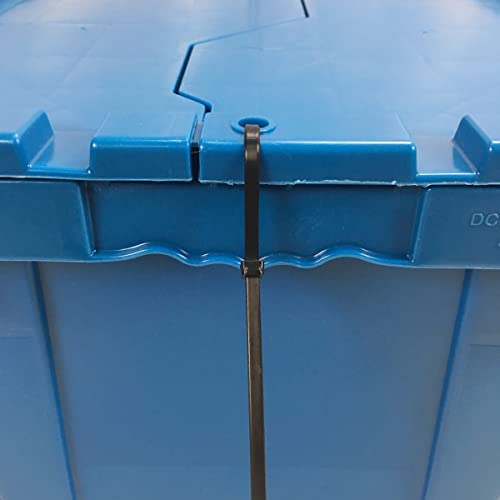
- Seat and secure each lid correctly. Align the lid with the rim, press down on all four corners until you hear or feel it engage, and use the latches or zip tie points if your tote has them. The lid should sit flush in its recess with no gaps.
- Align the stack precisely. Center each tote so its bottom rests on the rim and recessed lid area of the tote below, not on the middle of the lid. Avoid mixing brands and sizes in the same vertical stack, and limit stacks to two or three high if your totes have flat lids.
- Reduce direct stacking pressure. If you need to go higher, place the stack against a wall on level flooring and consider a simple rack or shelving that lets each tote rest on its own support instead of on the lid below. For concrete or uneven floors, see best clear storage bins for concrete walls reviewed for ideas on keeping bins level and dry, which also helps prevent warping.
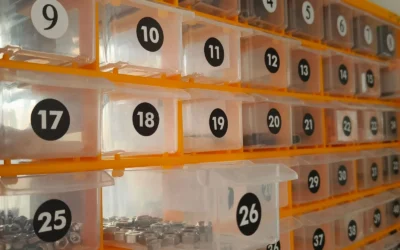
If you store small parts or hardware in totes, weight can concentrate in one corner and flex the lid. Using a dedicated organizer inside the tote or moving heavy small parts to a separate system like the options in small parts organizers for 8ft ceilings can keep the load balanced and reduce lid stress.
When to Consider Replacing It
If lids stay bowed when empty, rims are cracked, or a tote has permanently deformed so the lid no longer sits flush, repair will not restore its stacking strength. Warped plastic tends to keep flexing in the same spot, so that tote will continue to crush even with a lighter load on top.
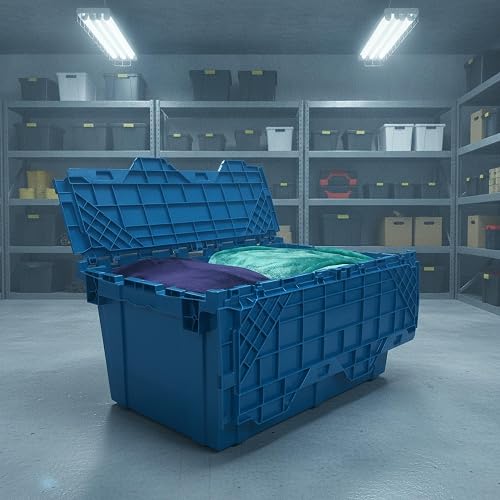
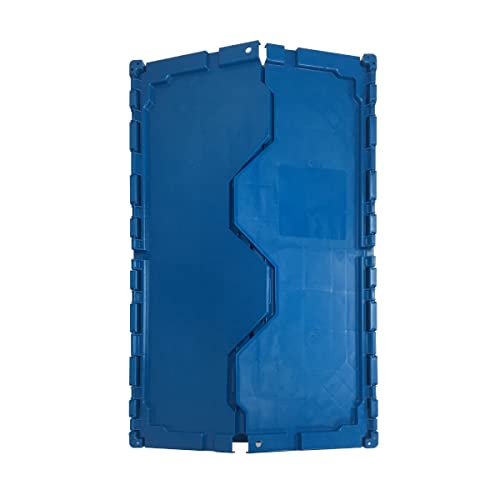
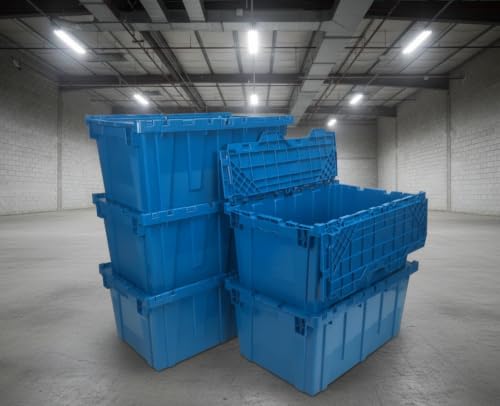
At that point, replacing the damaged tote with one that has a reinforced, recessed lid and a more rigid rim design may save you repeated restacking. If you would rather replace it than keep troubleshooting, one practical option is a tote with an attached flip top lid and a stackable design intended to save space while keeping contents protected.
This article contains affiliate links. If you buy through one of our links, TheGarageCrafted may earn a commission at no extra cost to you. Commissions never influence which products we recommend or how we rank them. Read our Affiliate Disclosure for details.

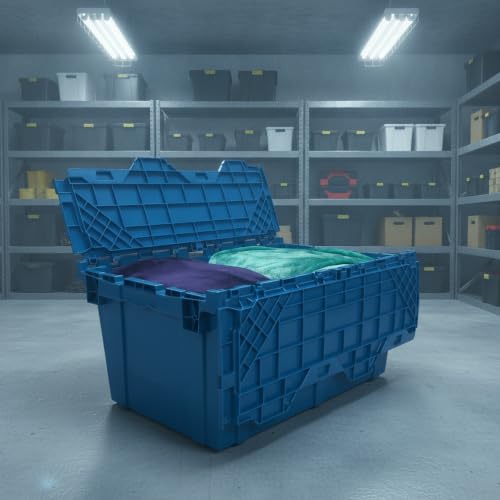
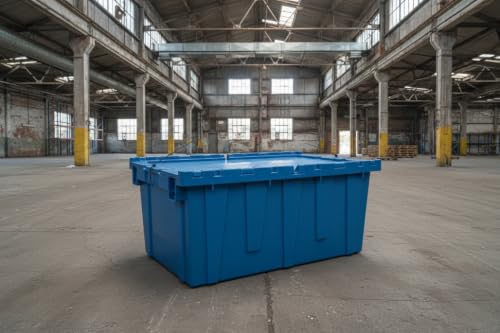
Prime uBoxes 5-Pack 27" Stackable Storage Crates


As an Amazon Associate we earn from qualifying purchases. Product prices and availability are accurate as of the date/time indicated.
When you do replace, try to keep your stack uniform. Using the same model and size for an entire column helps the lids and rims nest correctly and spreads weight to the strongest points, which reduces future crushing.
When to Skip This and Call a Professional
This advice is for freestanding tote stacks on the floor. It is not ideal for overhead or ceiling mounted storage, tall racking that could tip, or any situation where a falling stack could injure someone or damage a vehicle. If your totes are on a high shelf, a wall mounted system, or an overhead rack, follow the manufacturer’s weight capacity and anchoring instructions exactly and anchor shelving to the wall to prevent tip over.
Skip this DIY approach and get help if the rack itself is bending, anchors are pulling out of the wall or ceiling, or you need to add structural supports. For anything that involves ceiling joists, wall anchors for heavy loads, or a rack that feels unstable when loaded, a qualified installer or building professional is not the right choice to skip.
Frequently Asked Questions
Why are my stackable totes crushing even when the top tote is not very heavy?
A tote can crush under a light load if the lid is not fully seated, the contents bulge above the rim, or the upper tote is off center. Check that the lid is flat and latched on all sides and that the tote above sits on the rim, not the middle of the lid.
Can I reinforce tote lids with plywood or boards to stop them from caving?
You can try placing a flat, rigid board cut to sit on the rim between totes to spread weight, but this is only a temporary workaround and may hide a warped lid. It is not recommended for tall stacks or for totes that are already cracked, and it does not fix an overloaded or misaligned stack.
How many totes can I safely stack without crushing?
There is no single number that fits every tote, since lid design, material, and how full each tote is all affect strength. As a general approach, keep stacks short, put the heaviest tote on the bottom, and check the manufacturer’s guidance for stacking. If lids show any bowing, reduce the height rather than adding more weight.
Browse more picks in our Clear Bins, Totes & Small Parts category, or see our related guide on Clear Tote Alternatives.



Write Your Review
No reviews yet. Be the first to share your experience!