

Quick Answer
If your wall mounted hook rusting outdoors is already showing orange spots or streaks, the most common cause is moisture getting under a chipped or thin protective coating on standard carbon steel. Try removing the hook, scrubbing off loose rust, drying it completely, then sealing it with a rust converter and a rust-inhibiting topcoat before you reinstall it with corrosion resistant hardware.
Why This Happens
Most interior-grade hooks are made from carbon steel with a thin paint, powder coat, or plastic spray coating. That coating works fine in a dry garage, but outdoors it faces rain, humidity, morning dew, and temperature swings that force moisture into any tiny chip or pinhole.
Once water reaches bare steel, rust spreads under the coating where you cannot see it. You might notice bubbling paint, a rough texture, or brown runoff on the wall after rain. Coastal air, sprinkler overspray, and water trapped behind the hook base make this happen even faster.
Installation points are another weak spot. Screw holes break the coating, and if you used plain zinc or non stainless screws, those fasteners can rust first and stain the hook. If the hook sits flat against wood, stucco, or concrete without a gap, water stays trapped behind the plate and never fully dries.
Material choice matters too. Hooks labeled for general garage organization are often not rated for continuous outdoor exposure. For covered patios, fences, and exterior walls, you typically want a thicker plastic coated carbon steel, hot dipped galvanized steel, or stainless steel to better resist corrosion. You can browse options in Hooks, Holders & Specialty Mounts to see which finishes are described as rust and corrosion resistant.
Fixes to Try
Work on a dry day and wear gloves and eye protection when scrubbing rust. If the hook holds anything heavy or is mounted high, take the load off first so you are not working under weight.
- Remove the hook and inspect the damage. Take the hook off the wall and check the front, back, and screw holes for flaking coating and pitting. If the metal is deeply pitted, crumbling, or thin enough to bend easily, cleaning may not restore its strength.
- Scrub off loose rust and clean the surface. Use a wire brush or sanding sponge to remove loose rust and peeling coating, then wipe with a damp cloth and let it dry completely. Try to get back to a mostly smooth, firm surface without gouging deep grooves into the steel.
- Treat remaining discoloration with a rust converter. Apply a rust converter or rust neutralizer according to the label directions and give it time to cure. This step helps stabilize any rust you cannot sand off in pits and screw holes.
- Seal with a rust-inhibiting coating. Spray or brush on a rust-inhibiting primer followed by an exterior grade enamel or clear topcoat that is suitable for metal. Pay extra attention to the back of the hook, the edges, and around the screw holes where water tends to sit.
- Reinstall to keep water from getting trapped. Replace plain screws with exterior rated or stainless hardware, and consider adding a thin bead of exterior sealant around the top and sides of the mounting plate while leaving the bottom edge open so any water can drain. If you mount into masonry or stucco, make sure anchors are rated for exterior use and the wall is dry before you tighten everything snug.
After reinstalling, try to keep the hook as dry as possible. Move sprinklers so they do not hit the wall, trim back plants that trap moisture, and recheck the coating each season for new chips. A quick touch up is much easier than waiting until rust has spread under a large area of coating. For related storage planning, you can also look at Clear Bins, Totes & Small Parts for ways to keep gear off damp floors and Garage Cabinets & Lockers if you want enclosed storage for items you currently hang outside.
When to Consider Replacing It
If the hook is heavily pitted, the coating is peeling across most of the surface, or the metal feels weak or flakes when you brush it, repair is usually not worth the effort and the rust will likely return quickly. In that case it often makes more sense to replace it with a hook that is better suited for outdoor or damp locations and has a more durable protective coating.
This article contains affiliate links. If you buy through one of our links, TheGarageCrafted may earn a commission at no extra cost to you. Commissions never influence which products we recommend or how we rank them. Read our Affiliate Disclosure for details.

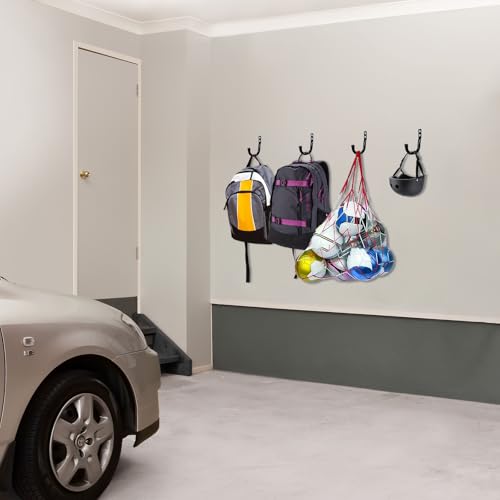
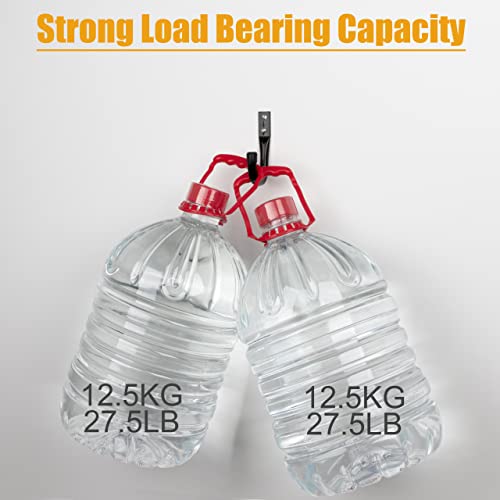
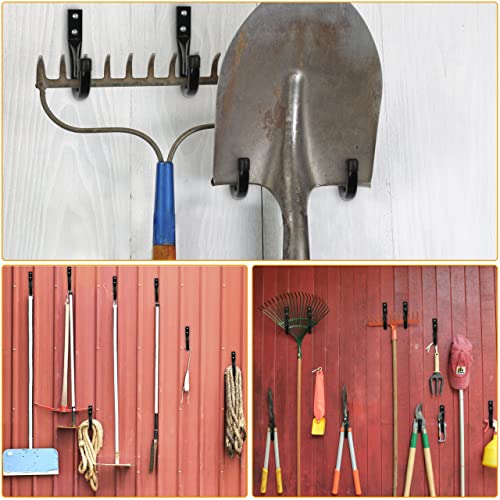
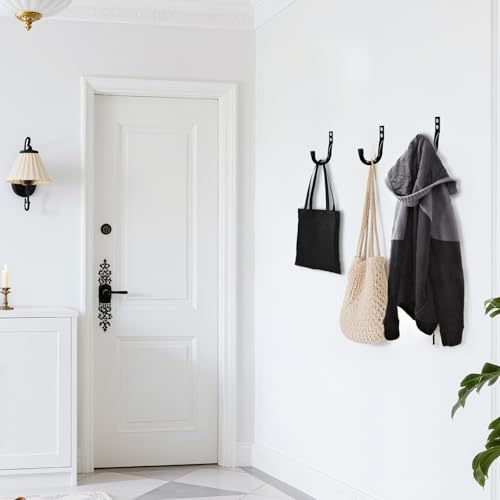
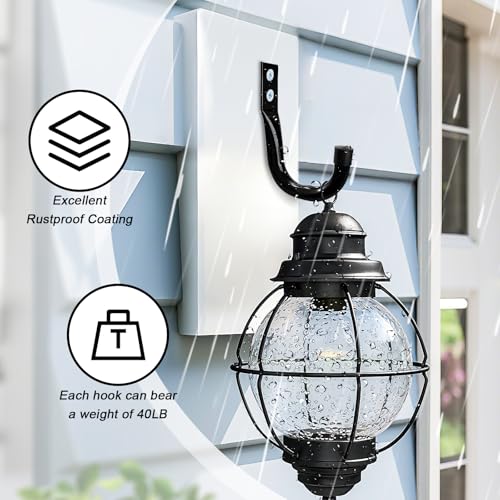
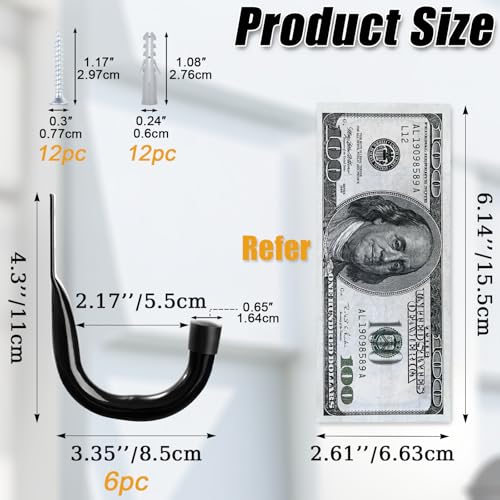
Prime KURUI Heavy Duty Garage Hooks 6 Pack


As an Amazon Associate we earn from qualifying purchases. Product prices and availability are accurate as of the date/time indicated.
If you do replace it, look for heavy duty carbon steel with a thick plastic spray coating that is described as rust and corrosion resistant, like the KURUI Metal Wall Hooks for Hanging Heavy Duty, and pair it with exterior rated fasteners. Even with a better coating, try to keep the mounting surface sealed and touch up any scratches promptly to extend its life outdoors.
When to Skip This and Call a Professional
Light surface rust on a small utility hook is usually a safe DIY clean and seal job, but this approach is not ideal for hooks that support heavy overhead loads, hold ladders or bikes above head height, or are anchored into crumbling masonry, rotted wood, or damaged concrete. If the wall material is failing, the hook is bent or cracked, or you are unsure the anchor can safely hold the load outdoors, skip this and have a qualified contractor or handyman assess the mounting surface and hardware before you hang weight again.
Frequently Asked Questions
Can you completely stop a wall mounted hook rusting outdoors?
You can slow it a lot but you cannot make standard steel completely rust proof outdoors without ongoing care. Try choosing a hook with a thick corrosion resistant coating, sealing chips quickly, using stainless or exterior rated screws, and keeping the area as dry as possible.
Why is my new hook rusting after just a few weeks outside?
One common cause is a thin or damaged coating that lets moisture reach bare steel, especially around screw holes and the back of the plate. Sprinkler spray, coastal humidity, and water trapped behind a flat mounted hook can also start rust quickly even on a new hook.
Should I use stainless steel hooks for outdoor walls?
Stainless steel is one of the better choices for continuous outdoor exposure because it resists rust more effectively than plain carbon steel. If you prefer carbon steel for strength and cost, look for a heavy duty option with a durable plastic or powder coating and be prepared to maintain the finish over time.

Write Your Review
No reviews yet. Be the first to share your experience!